Among all nutrients that influence postpartum hair loss recovery, zinc is one of the most underestimated.
It doesn’t cause dramatic fatigue like iron deficiency. It’s not checked as routinely as vitamin D.
But for your scalp, sebum balance, and follicle stability, zinc plays a critical role.
Postpartum zinc deficiency is very common and can lead to:
- More dandruff
- Red, itchy, irritated scalp
- Oily-but-dry, unstable sebum production
- Worsening seborrheic dermatitis
- Thinner, weaker hair that breaks easily
- Disrupted hair cycle regulation
These problems may not directly cause postpartum shedding,
👉 but they will absolutely slow down recovery and make regrowth more difficult.
If you also want to understand how daily care supports this process, you can explore our Postpartum Scalp Care guide, which explains how cleansing, massage, and barrier care work together during recovery.
In this guide, we’ll explore:
- Why zinc is especially important after birth
- How zinc affects the scalp and follicles
- Typical deficiency signs
- How to support zinc safely through food and supplements
1. Why Is Zinc Deficiency So Common After Birth?
Even if your diet looks “normal,” zinc deficiency is extremely common in the postpartum period.
That’s because several forces overlap at the same time:
1) Breastfeeding uses a lot of zinc
Breastmilk is rich in zinc to support your baby’s:
- Immune function
- Skin health
- Growth and development
Your body will prioritise the baby first, which means:
👉 More zinc is diverted into breastmilk → your own reserves drop faster.
2) Stress and poor sleep reduce zinc absorption and utilisation
Postpartum life often means:
- Chronic sleep deprivation
- High stress
- Irregular meals
Elevated cortisol (stress hormone) can:
- Impair digestion and absorption
- Reduce how effectively your body uses zinc
That’s one reason many mothers suddenly notice:
- Flaky scalp
- Red bumps
- Oil imbalance
even though they didn’t change their shampoo.
3) Immune system “reset”
Pregnancy and postpartum involve a major immune reset.
Zinc is a key regulator of immune function, so your body’s demand for zinc actually goes up, not down.
📌 Conclusion:
Postpartum mothers live in a perfect storm of:
- Higher zinc requirements
- Lower absorption
- Faster depletion
Even with an okay-looking diet, you can very easily slide into functional zinc deficiency.
2. How Does Zinc Affect the Scalp and Hair Follicles?
Zinc influences postpartum scalp health through four main mechanisms:
1) Anti-inflammatory — Calming scalp redness, flares, and sensitivity
Zinc has well-known anti-inflammatory properties. It helps to:
- Reduce scalp redness and irritation
- Improve seborrheic dermatitis
- Decrease oxidation of sebum (oxidised oils can trigger inflammation)
This matters a lot postpartum because:
- Hormone shifts → unstable oil production
- Unstable oil → more irritation, flakes, and micro-inflammation
A calmer scalp = a more supportive environment for hair follicles returning to the growth phase.
2) Sebum regulation — Balancing “too oily” and “too dry”
Zinc helps regulate sebaceous gland activity, which means:
- Less extreme “greasy scalp” days
- Less rebound dryness
- A more stable scalp microbiome
If you suddenly became a “greasy scalp person” between 2–4 months postpartum,
that’s often a mix of hormonal changes + zinc insufficiency.
3) Keratin support — Strengthening the hair shaft
Hair is made primarily of keratin, and keratin production requires zinc as a cofactor.
Low zinc can lead to:
- Finer, weaker hair shafts
- Reduced strength and elasticity
- More breakage and split ends
This kind of damage often looks like more shedding,
but what you’re actually seeing is mechanical breakage, not just follicle loss.
4) Tissue repair — Supporting scalp barrier and healing
Zinc is essential for skin repair and barrier integrity.
When zinc is low, you may notice:
- Scalp stinging when you wash
- Slow healing of small scratches or irritations
- Easier flares of dermatitis or redness
A compromised barrier makes it harder for follicles to thrive and stay in the growth phase.
3. Common Signs of Zinc Deficiency (Self-Screening Clues)
These signs are very common postpartum but often dismissed as “just hormones”:
1) Sudden increase in dandruff / flaking
Especially when it appears postpartum, not earlier in life.
2) Worsening seborrheic dermatitis
Greasy flakes, redness around the hairline, behind the ears, or on the scalp.
3) Hair feels thinner, flatter, and breaks easily
- Ends snap with very little tension
- Hair feels “soft but weak” rather than strong and bouncy
This often points to structural weakness, not just hormone-driven shedding.
4) Oily but itchy scalp
That classic mix of:
- Excess oil
- Itching
- Red bumps or small spots
often reflects both sebum imbalance and underlying inflammation—which zinc helps regulate.
5) Lowered immunity
Zinc deficiency is linked to:
- Recurring mouth ulcers
- Frequent colds or infections
- Slow wound healing
If your scalp, skin, and immune system all feel more fragile postpartum, zinc may be part of the picture.
4. How Much Zinc Do You Need Postpartum?
⚠️ Always confirm specific dosing with your healthcare provider, especially during breastfeeding.
General daily intake guidelines (from all sources – food + supplements):
- Adult women: ~8–11 mg/day
- Breastfeeding women: ~11–13 mg/day
These are general ranges, not personalised prescriptions, but they give you a ballpark.
How is zinc tested?
Possible assessments include:
- Serum zinc
- Symptom-based evaluation (scalp, skin, immunity)
- Nail and oral health (e.g., recurrent mouth ulcers)
Serum zinc alone is not perfect, because most zinc is inside cells, not in the bloodstream —
but low serum levels strongly suggest deficiency risk.
5. How to Support Zinc Through Food (Your First Priority)
Food-based zinc is usually gentler, safer, and works well alongside other nutrients.
Top dietary sources include:
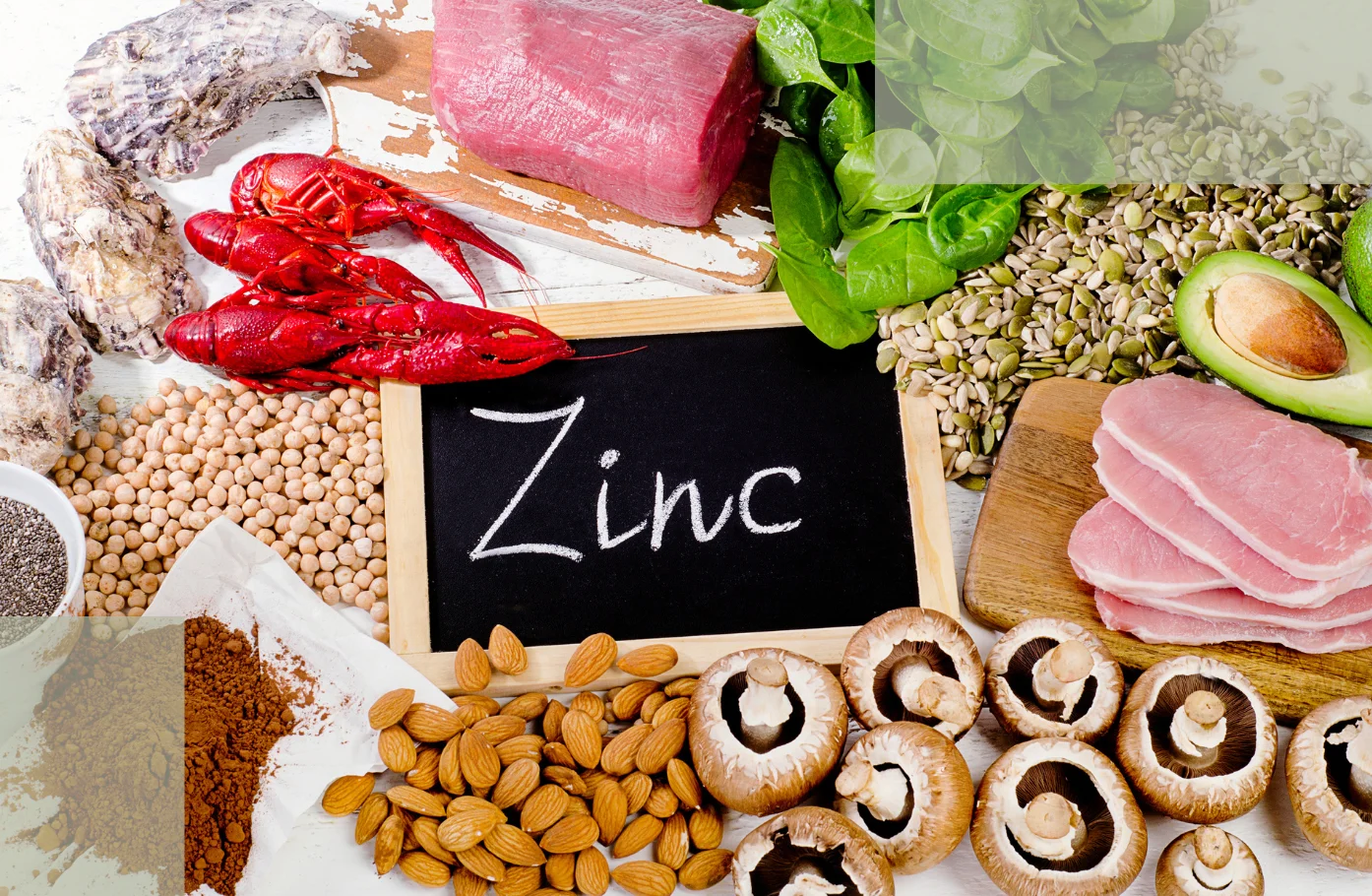
- Oysters (one of the richest natural sources)
- Beef and lamb
- Eggs
- Pumpkin seeds
- Cashews
- Lentils and chickpeas
- Whole grains
For postpartum women, focusing on protein + zinc-rich foods at main meals is one of the most efficient ways to support both general recovery and hair health.
For postpartum women, focusing on protein + zinc-rich foods at main meals is one of the most efficient ways to support both general recovery and hair health. For a deeper dive into how protein shapes regrowth speed and hair quality, see this guide on high-quality protein and keratin.
6. What to Know About Zinc Supplements (Very Important)
1) Avoid self-prescribing high-dose zinc
Too much zinc can:
- Compete with iron absorption → potentially worsen hair issues
- Disrupt immune balance
- Cause stomach upset and nausea
⚠️ As a general educational guideline, many hair-focused protocols try not to exceed ~15 mg/day from supplements alone, unless a doctor advises otherwise.
2) Zinc and iron must stay in balance
Iron and zinc share absorption pathways.
Mega-dosing one and ignoring the other can backfire.
For postpartum hair recovery, it’s usually “iron + zinc + vitamin D + protein” working together, rather than one nutrient in isolation. You can read more about iron’s role in this detailed overview of iron and ferritin in postpartum hair loss.
3) Breastfeeding and zinc
Most standard zinc supplements are considered compatible with breastfeeding,
but dose and form should ALWAYS be confirmed with your doctor or midwife.
7. Zinc’s Role in Postpartum Hair Recovery: The “Stabiliser”
Zinc is not a “make hair grow overnight” nutrient.
Instead, it acts as a stabiliser of the scalp ecosystem.
When combined with iron, vitamin D, B vitamins, protein, and omega-3s, zinc helps:
- Reduce scalp inflammation
- Stabilise oil production
- Support stronger, more resilient hair shafts
- Create a calm, healthy environment for new growth
For example, vitamin D works like a cycle “conductor” that coordinates the hair growth rhythm and immune balance—explained in more depth here: Vitamin D, sebum balance, and regrowth after postpartum hair loss.
If we compare hair recovery to growing plants in a garden:
- Iron = nutrients in the soil feeding the roots
- Vitamin D = sunlight guiding growth
- Protein = the seed’s building blocks
- Zinc = the system keeping the soil balanced, protected, and resistant to “pests” (inflammation + imbalance)
Without enough zinc, that “garden” (your scalp) becomes unstable and reactive—even if other nutrients are okay.
Omega-3 fatty acids also help calm inflammation and support a healthier follicular environment, as explored in this guide on omega-3s and the follicular environment.
8. Zinc + Iron + Vitamin D: Why They Must Be Viewed Together
For postpartum hair recovery, zinc should not be considered alone.
It often works best when:
- Iron provides oxygen and energy to follicles
- Vitamin D modulates the hair cycle and immune system
- Zinc calms inflammation and keeps sebum + microbiome in balance
B-complex vitamins add a further layer of support by helping energy metabolism, red blood cell production, and stress resilience—areas you can learn more about in this B-complex and follicle energy explainer.
Together, they:
- Shorten the resting phase
- Improve scalp comfort
- Support stronger regrowth quality
9. When Should You Talk to a Doctor About Zinc?
Consider consulting a healthcare professional if:
- You have persistent or severe scalp inflammation
- Seborrheic dermatitis keeps flaring despite gentle hair care
- You notice recurrent mouth ulcers or frequent infections
- You’re already taking iron or other supplements and want to avoid interactions
A clinician can help:
- Decide whether you likely have a zinc deficiency
- Plan safe dosing that won’t interfere with iron
- Integrate zinc into a broader postpartum recovery strategy
Conclusion: Zinc Is the “Stability Factor” in Postpartum Hair Recovery
Zinc quietly influences more than you think:
- Sebum balance
- Scalp inflammation
- Barrier repair
- Hair shaft strength
- Immune resilience
It may not cause dramatic symptoms like full-blown anemia,
but insufficient zinc can extend your recovery by months.
In simple terms:
- Iron decides whether your hair can grow.
- Zinc decides whether what grows is stable, calm, and resilient.
For every mother navigating postpartum shedding, looking at zinc alongside iron, vitamin D, and protein is one of the most powerful ways to support steady, sustainable recovery.
If you’re unsure whether your shedding pattern is normal, this Postpartum Hair Loss hub can help you compare symptoms and timelines.
If your scalp feels easily irritated postpartum, the Evavitae Root Fortifying Hair Essence offers a mild, soothing alternative.