If there is one nutrient that is widely overlooked yet deeply influential in postpartum hair-loss recovery, it’s Vitamin D.
Many new mothers wonder:
• “Why did my scalp suddenly become oily after giving birth?”
• “Why do I have more dandruff and itchiness now?”
• “My shedding has slowed down, but why is regrowth still so slow?”
Very often, these symptoms are closely tied to Vitamin D deficiency.
Studies show:
👉 Up to 80% of postpartum women have insufficient vitamin D.
Vitamin D isn’t just a vitamin—it’s a hormone-like regulator that affects hair-follicle cycling, scalp inflammation, sebum production, and immune balance.
This article explains:
Why is vitamin D deficiency so common postpartum?
How does vitamin D influence hair follicles?
What symptoms signal low vitamin D?
How should you supplement safely?
If you want to understand how your daily scalp routine influences these changes, you can also explore our postpartum scalp care framework.
1. Why Is Vitamin D Deficiency So Common After Childbirth?
Vitamin D is a classic case of lower intake + higher consumption during postpartum life.
1) Massive nutrient draw during pregnancy
Your baby’s skeletal and immune development requires large amounts of vitamin D. This drains maternal stores significantly.
2) Less sun exposure after childbirth
New mothers spend more time indoors:
• irregular newborn schedule
• less outdoor activity
• minimal daily sunlight
Sunlight is the primary natural source of vitamin D.
3) Hormonal shifts increase vitamin D demand
Vitamin D works with estrogen and progesterone to regulate:
• hair-growth cycles
• sebum balance
• immune function
• scalp microbiome stability
When hormones fluctuate postpartum, vitamin D is used at a faster rate.
4) Sleep deprivation slows vitamin D activation
Poor sleep affects the liver and kidney processes that activate vitamin D.
📌 Conclusion:
Postpartum is the stage when women need the most vitamin D but are also the most likely to become deficient.
2. Vitamin D & Hair Follicles: A Strong but Overlooked Connection
Vitamin D influences hair growth through multiple biological pathways.
1) It controls the hair-growth cycle (most important)
Hair follicles cycle through:
• Anagen (growth)
• Catagen (transition)
• Telogen (resting)
Vitamin D is a major “growth-phase switch.”
Low vitamin D leads to:
• follicles stuck in telogen
• delayed entry into anagen
• slower regrowth
• fine baby hairs that never thicken
📌 Vitamin D determines when your hair truly starts growing back.
2) Regulates sebum production (critical for oily scalp & dandruff)
Vitamin D directly affects sebaceous-gland activity:
• reduces excess oil
• prevents sebum oxidation (itch, odor)
• stabilizes scalp microbiome
Typical deficiency symptoms include:
• sudden oiliness
• flaky scalp
• greasy roots the day after washing
• increased itching or small red bumps
3) Supports immune balance (reduces scalp inflammation)
Vitamin D helps calm:
• micro-inflammation
• seborrheic dermatitis flare-ups
• sensitivity and redness
• barrier instability
This is important because postpartum immune “reset” makes the scalp highly reactive.
4) Improves hair-shaft quality
Low vitamin D causes:
• limp roots
• fragile strands
• thin regrowth
• hair lacking structural support
Supplementing improves:
• the strength of new hair
• overall resilience
• volume and lift near the roots
3. Common External Signs of Vitamin D Deficiency
These clues are strongly linked with low vitamin D:
• sudden increase in scalp oil
• worsening dandruff or seborrheic dermatitis
• persistent itchiness
• prolonged shedding phase
• slow regrowth
• fatigue, low mood
• joint or muscle aches
• poor sleep quality
If you are experiencing oiliness + flakes + itch + slow regrowth, checking vitamin D is highly recommended.
4. Vitamin D Testing: Look for 25(OH)D
The correct marker is:
25-Hydroxy Vitamin D (25(OH)D)
Hair-health relevance:
• <20 ng/mL: deficient
• 20–30 ng/mL: insufficient
• 30–50 ng/mL: optimal for hair-cycle support
Above 60 ng/mL provides no additional hair-growth benefit.
5. How to Increase Vitamin D Levels (Safe & Practical)
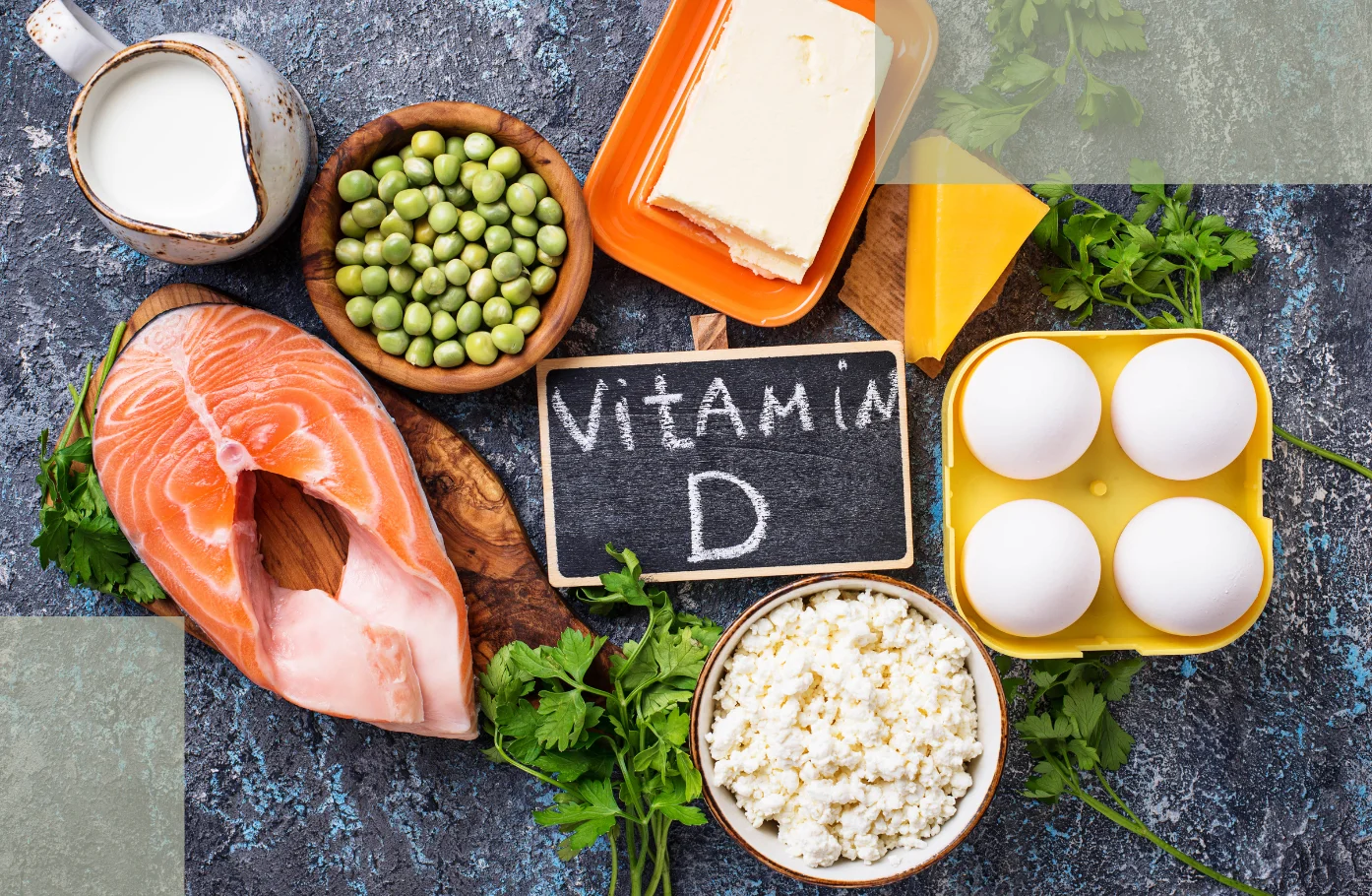
1) Dietary sources
Still limited, but helpful:
• salmon, sardines
• egg yolks
• fortified milk
• beef liver
• sun-dried mushrooms
2) Sun exposure (the most natural method)
Just:
• 10–15 minutes a day
• expose arms, legs, or back
Avoid sunburn; balance is key.
3) Supplements (based on your blood levels)
Common forms:
• Vitamin D3 (best absorbed)
• Combined D3 + K2 formulas
• D3 with calcium and magnesium
Safe ranges for most adults:
600–2000 IU/day
But breastfeeding mothers should follow medical guidance.
6. Vitamin D’s Role in Postpartum Hair Recovery: The Cycle Conductor
Think of nutrients working as a team:
Iron = the fuel
Iron & ferritin deficiencies can prevent follicles from re-entering growthProtein = the building material
Protein provides keratin for stronger new hairZinc = the stabiliser of scalp oil & inflammation
Zinc helps calm flakes, oil, and irritationVitamin D = the cycle conductor
It tells follicles when to grow.Omega-3 = the anti-inflammatory supporter
Omega-3 improves scalp inflammation and follicular comfortB-complex = the energy & stress regulator
B-complex vitamins support follicle metabolism under stress
📌 Vitamin D is the master coordinator of the entire hair cycle.
Without it, follicles cannot “receive the signal” to grow.
7. When Should You Consider Supplementing Vitamin D?
When any of these occur:
• shedding persists beyond 6 months
• sudden increase in scalp oil
• worsening dandruff or dermatitis
• new hair grows slowly and stays fine
• minimal sunlight exposure
• breastfeeding mothers
Vitamin D is one of the most important nutrients to check during postpartum recovery.
Conclusion: Vitamin D Is a Core Regulator of Postpartum Hair-Growth Cycles
Vitamin D improves postpartum recovery by:
• regulating the follicle cycle
• balancing sebum
• calming inflammation
• strengthening new hair growth
It won’t instantly stop shedding, but it makes recovery faster, smoother, and more stable.
📌 Without vitamin D, follicles can’t return to their normal growth rhythm.
To see how hormonal shifts, nutrients, and lifestyle factors influence shedding, read our full Postpartum Hair Loss.
To support a healthier scalp barrier, a gentle product like the Evavitae Root Fortifying Hair Essence can be a helpful part of the routine.