In postpartum hair recovery, many women focus on micronutrients like iron, zinc, and vitamin D—
and overlook one of the most fundamental, non-negotiable nutrients:
👉 Protein.
To understand how protein works together with daily scalp habits and recovery patterns, you can also explore our postpartum scalp-care guide.
If we compare your hair to a building:
- Iron = the foundation
- B vitamins = skilled workers
- Vitamin D = the project supervisor
- Omega-3 = environmental maintenance
- Protein = the bricks themselves
When protein is lacking, it’s like trying to build a house with no materials:
you can have the best blueprint and the best workers, but the structure still won’t go up.
For postpartum hair loss, this matters even more because:
About 85–90% of hair is made of keratin — and keratin is a protein.
This article explains:
- Why protein is central to postpartum hair recovery
- What happens when you don’t get enough
- How much you really need
- The best protein sources for new moms
1. Why Does Protein Demand Increase After Birth?
This is one of the most underrated nutritional gaps after pregnancy.
1) Breastfeeding dramatically increases protein needs
Breast milk contains significant amounts of protein and amino acids.
Your body will always prioritize:
- Vital organs and essential functions
- Breast milk production
- Tissue repair and recovery
- Hair follicles — last on the list
If your intake is too low, hair follicles simply won’t get enough supply.
2) Your body is in intensive repair mode
Whether you had a vaginal birth or a C-section, the postpartum period is a healing phase.
Protein is needed for:
- tissue repair
- cell regeneration
- immune recovery
Again, all of these come before hair in your body’s priority system.
3) Stress + sleep loss = faster protein turnover
Chronic stress and elevated cortisol can:
- increase metabolic demands
- reduce protein synthesis
- interfere with keratin formation
That’s why so many new moms see:
- more split ends
- brittle hair
- rough, frizzy texture
even when they’re “only” dealing with postpartum shedding.
2. How Does Protein Influence Hair Follicles? (Core Mechanisms)
Protein drives hair recovery through four key mechanisms.
1) Keratin formation — deciding whether hair can actually grow
Hair growth depends on keratin.
If you don’t consume enough protein:
- follicles don’t have the “building blocks” to restart growth
- new hair grows in thin and wispy
- baby hairs around the hairline stay tiny and never thicken
- visual density improves very slowly
📌 Protein is not optional—it’s essential.
2) Follicle repair and regeneration
Hair follicles are high-metabolism structures.
They constantly divide and renew cells to grow hair, and this process depends on amino acids.
When protein is lacking:
- growth rate slows
- more hairs stay in resting (telogen) phase
- follicles struggle to restart the growth cycle
3) Supporting scalp barrier function
Your scalp barrier also needs amino acids to stay intact.
Protein deficiency may lead to:
- dryness and roughness
- sensitivity and stinging
- low-grade inflammation
- more flaking or visible scalp
This inflamed environment indirectly worsens shedding and delays recovery.
4) Improving overall hair quality (Elasticity & Strength)
Enough high-quality protein can help hair become:
- more elastic
- less prone to breakage
- naturally fuller
- less frizzy and fragile
When the hair shaft is stronger, visual density improves—even if some shedding is still happening.
3. Signs You May Not Be Getting Enough Protein Postpartum
You can turn this into a checklist in your content:
✔ Lots of new baby hairs, but they stay very thin and soft
✔ Hair breaks easily, especially when wet
✔ Shedding is not extreme, but overall fullness never “comes back”
✔ Dry, flaky, or itchy scalp
✔ Dull skin and brittle nails
✔ Afternoon energy crashes, frequent hunger
✔ Slow physical recovery after birth
These are classic signals that protein intake might be too low for your current needs.
4. How Much Protein Do You Need After Birth?
Most guidelines suggest for postpartum and breastfeeding women:
📌 Around 1.0–1.2 g of protein per kg of body weight per day
Examples:
- 50 kg → 50–60 g/day
- 60 kg → 60–72 g/day
- 65 kg → 65–78 g/day
Higher intakes may be appropriate if:
- you are breastfeeding
- you’re physically active
- your recovery has been slow
—but this should be guided by a healthcare professional.
⚠️ In reality, most new mothers eat far below these levels, especially when meals are irregular, rushed, or skipped.
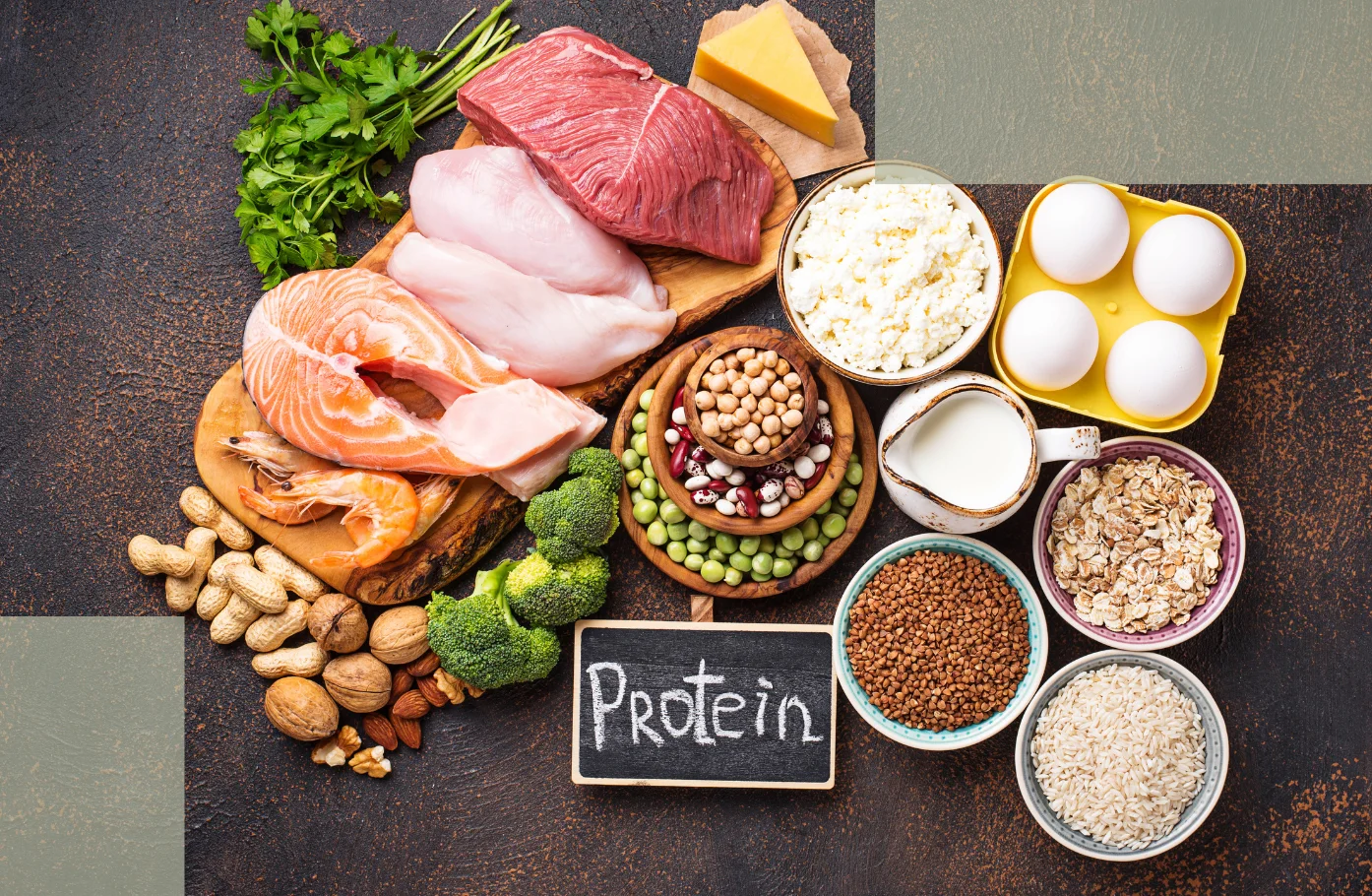
5. Best High-Quality Protein Sources for Postpartum Moms
Arranged from “most efficient & gentle” to “great to combine”:
1) Whole eggs
A complete, highly bioavailable protein rich in:
- essential amino acids
- biotin
- high-quality protein structure
Perfect as a daily staple.
2) Fatty fish (top recommendation)
Such as:
- salmon
- sardines
- mackerel
- tuna
They provide both protein and Omega-3, supporting:
- scalp inflammation balance
- overall hair and skin health
Learn more in our Omega-3 postpartum guide.
3) Lean meats (beef, chicken breast, turkey)
These foods combine protein + iron, which is particularly important for:
- postpartum recovery
- hair regrowth
- energy levels
Excellent for hair because they provide both protein + iron, which supports regrowth (iron & ferritin explained here).
4) Greek yogurt
Great for breakfast or snacks, rich in:
- protein
- calcium
- B vitamins
5) Legumes (plant-based protein)
Such as:
- lentils
- chickpeas
- tofu
- tempeh
- soy milk
Ideal for women who eat little or no meat.
6) Nuts (protein + healthy fats)
Examples:
- walnuts
- cashews
- almonds
They support:
- satiety
- hormone balance
- overall nutrient density
—but keep an eye on portion sizes due to calories.
7) Quinoa
One of the rare plant foods that provides a complete amino-acid profile.
Perfect as a higher-protein alternative to rice.
8) Avocado
Not a high-protein food, but an excellent partner:
- provides healthy fats
- supports hormone balance
- offers vitamin E
- improves nutrient absorption
It works beautifully in combination with protein-rich meals.
6. How to Hit Your Daily Protein Target Without Overthinking It
Here’s a simple, realistic structure for a busy postpartum day:
- Breakfast:
Eggs + Greek yogurt
- Lunch:
Salmon or chicken breast + quinoa + vegetables
- Snack:
A small handful of nuts + fruit
- Dinner:
Tofu, lentil stew, or lean beef with vegetables
- Optional:
A glass of milk or soy milk if tolerated
You can later turn this into a dedicated “high-protein postpartum meal plan” article.
7. Protein Works Best in a Nutrient “Team”
Protein isn’t a stand-alone solution. It works synergistically with:
Iron → oxygen + keratin synthesis
Zinc → scalp stability (see our zinc postpartum guide)
Vitamin D → regulates follicle cycling (vitamin D’s role here)
B vitamins → protein metabolism + energy (B-complex guide)
Together, they create a strong foundation for recovery.
Conclusion: High-Quality Protein Is the Core Building Material of Postpartum Hair Recovery
Protein determines:
- whether new hair can actually grow
- how fast it grows
- how strong each strand is
- how resilient and elastic your hair feels
- how quickly visual density returns
If protein is lacking, all the scalp care, massages, and supplements in the world can only help at the surface level.
They can support your follicles—but they can’t replace building material that simply isn’t there.
📌 In one line:
Without enough protein, your follicles don’t even have the “bricks” they need to rebuild your hair.
You can learn more about common causes, timelines, and recovery tips in our complete Postpartum Hair Loss resource.
If you prefer a shampoo that avoids harsh surfactants, the Evavitae Root Fortifying Hair Essence is designed with a gentle cleansing base.