Among all nutrients linked to postpartum hair recovery, Omega-3 fatty acids are the most overlooked—yet they play one of the most important roles in restoring a healthy scalp and follicular environment.
Omega-3 will not make your hair “instantly grow,”
but it transforms something far more fundamental:
👉 The environment your hair follicles live in.
For sensitive postpartum scalps, daily care choices matter too. You can explore our
postpartum scalp-care guide for additional support.
For postpartum mothers, this matters tremendously:
- Hormonal shifts → sebum fluctuations
- Sleep loss → systemic inflammation
- Emotional stress → cortisol elevation
- Immune reset → scalp becomes more reactive
Omega-3 works exactly where postpartum struggles are most concentrated—balancing inflammation, stabilizing sebum, supporting immunity, and improving overall scalp resilience.
1. Why Does the Postpartum Body Need MORE Omega-3?
Postpartum women live in a state of high inflammation, high stress, unstable oil production, and immune recalibration—
precisely the areas where Omega-3 has the strongest impact.
1) Inflammation rises after hormonal decline
During pregnancy, estrogen offers natural anti-inflammatory protection.
After birth:
- Estrogen drops sharply
- Inflammation increases quickly
Omega-3 is one of the most powerful natural anti-inflammatory fatty acids—
highly beneficial for inflamed, sensitive postpartum scalps.
2) Breastfeeding consumes large amounts of Omega-3
DHA is essential for a baby’s brain and retinal development.
When your intake is insufficient, your body will:
- Prioritize DHA for breast milk
- Reduce what’s available for your scalp and follicles
This is why many mothers notice increasing scalp sensitivity postpartum.
3) Stress + sleep loss = unstable sebum production
Omega-3 helps regulate:
- mood
- nervous system
- cortisol levels
When cortisol decreases, scalp oil production and barrier function stabilize.
📌 Conclusion:
Postpartum is when women need Omega-3 the most—yet often consume the least.
2. How Omega-3 Influences the Scalp and Hair Follicles
Omega-3 supports postpartum recovery through five major mechanisms.
1) Natural Anti-Inflammatory Action — reduces micro-inflammation
Micro-inflammation is a shared feature across all hair loss types, particularly postpartum:
- red patches
- itchy oily zones
- recurring dandruff
- stinging during shampooing
Omega-3 can:
- reduce inflammatory markers
- calm seborrheic dermatitis
- prevent oil oxidation (a major cause of follicle irritation)
- stabilize the follicular environment
2) Balances sebum production (critical for postpartum oily scalp)
Common postpartum complaints:
- “I washed yesterday but I’m oily again today.”
- “My roots are greasy but my ends are dry.”
- “My scalp feels itchy and oily at the same time.”
Research shows Omega-3 regulates sebaceous gland activity, reducing excess oil and helping the scalp maintain balance.
3) Strengthens the scalp barrier
Omega-3 enhances the lipid matrix of the scalp barrier, making the scalp:
- less reactive
- less prone to burning and redness
- more resilient against flakes
- better able to tolerate environmental stress
This is essential during the postpartum immune reset.
4) Improves shine, softness, and strand quality
Omega-3 enriches the lipid content within the hair shaft, leading to:
- smoother texture
- less frizz
- fewer breakages
- enhanced visual density
It doesn’t “grow new hair,”
but improves how the hair looks and feels in a noticeable way.
5) Indirectly supports regrowth by optimizing follicular conditions
Healthy follicles = Faster entry into the growth (anagen) phase.
Omega-3 helps by:
- reducing inflammation
- stabilizing oil
- improving microcirculation
- keeping the follicular environment clean and calm
This makes it easier for hair to transition back into the growth cycle.
3. Signs of Omega-3 Deficiency After Birth
Use this as a self-checklist for your postpartum readers:
✔ Sudden increase in dandruff
✔ Itchy scalp or red patches
✔ Oily roots but dry ends
✔ Hair feels rough, dull, or frizzy
✔ Mood swings, irritability, or anxiety
✔ Worsening seborrheic dermatitis
✔ New hair growing slowly or very fine
If ≥ 3 symptoms are present, Omega-3 intake is likely insufficient.
4. Best Omega-3 Sources for Postpartum Mothers
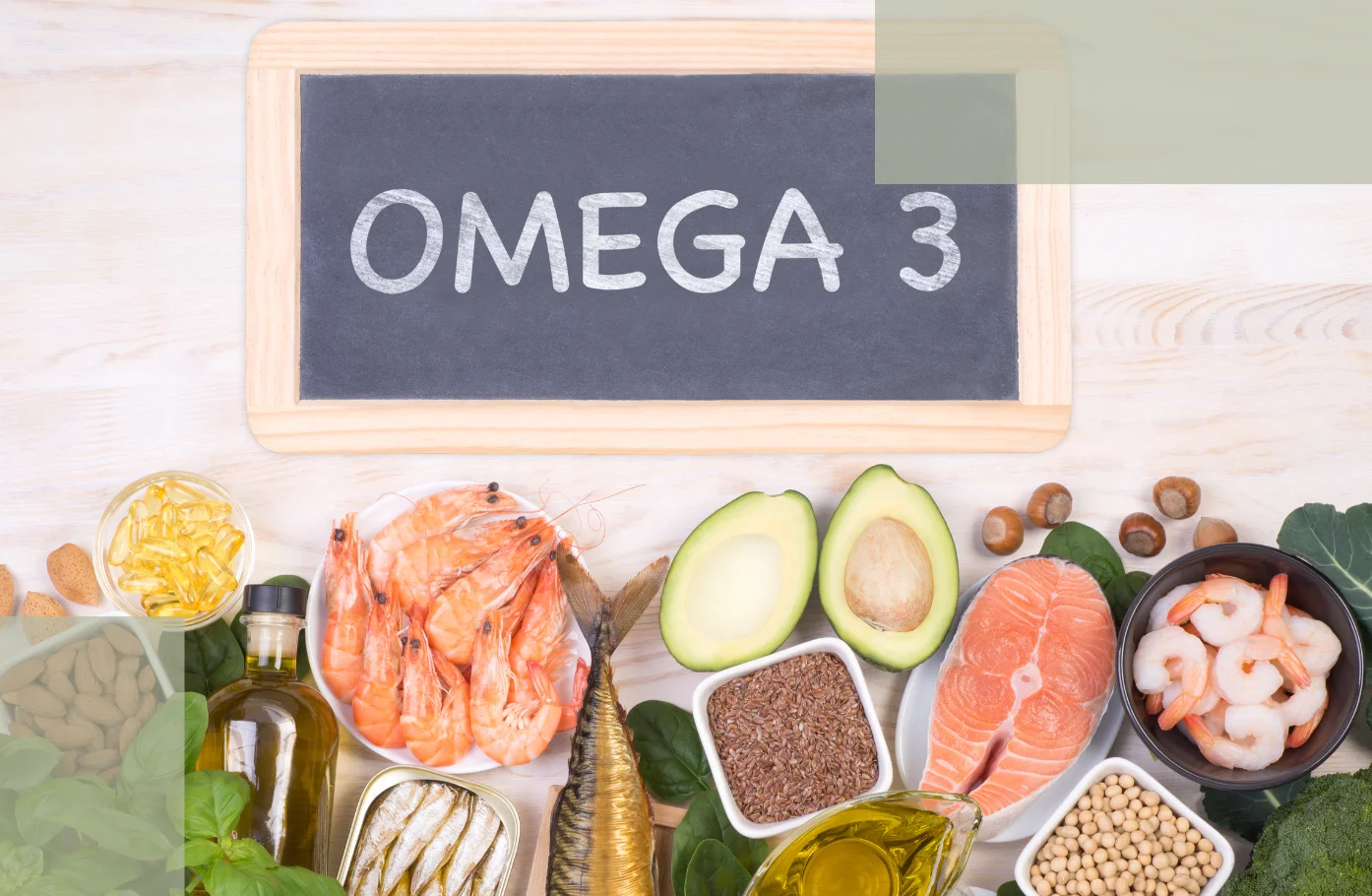
1) Fatty fish (best absorption)
- salmon
- sardines
- mackerel
- cod
2–3 servings per week significantly improve scalp comfort and overall mood.
2) Plant-based ALA sources
Best for moms who don’t eat fish:
- flaxseeds
- chia seeds
- walnuts
- canola oil
Note: ALA must convert to EPA/DHA, and conversion efficiency is low.
3) Fish oil or algae oil supplements
Algae oil = best plant-based option.
Choose:
- high purity
- mercury-free
- third-party tested
- balanced EPA/DHA content
Omega-3 is generally safe for breastfeeding, but supplementation should be guided by a healthcare provider.
5. How Omega-3 Works With Other Nutrients (Synergy Matters)
These combinations are scientifically strong:
Omega-3 + Zinc → inflammation + flakes reduction (learn how zinc stabilizes postpartum oil balance)
Omega-3 + Vitamin D → better sebum regulation
(vitamin D regulates hair-cycle timing)Omega-3 + Protein → stronger hair fibers
(protein creates keratin—the material hair is made of)Omega-3 + Iron → improved follicular oxygen delivery
(iron & ferritin are essential for regrowth)Omega-3 + B Vitamins → better stress regulation
(B-complex supports energy & cortisol balance)
Postpartum recovery is never powered by a single nutrient—it’s a coordinated team.
6. Role of Omega-3 in Postpartum Hair Recovery: The Environmental Regulator
If we assign each nutrient a “job”:
- Iron → determines whether the follicle can grow
- Protein → determines the quality of the hair that grows out
- Omega-3 → determines whether the follicular environment is stable enough for growth to happen
Omega-3 doesn’t force regrowth.
It prepares the scalp for regrowth.
📌 Summary:
Omega-3 turns the scalp environment from
“inflamed + oily + unstable” → “calm + clear + growth-ready.”
If you want a clearer understanding of the science behind postpartum hair changes, visit our comprehensive Postpartum Hair Loss hub
A mild, fragrance-free option like the Evavitae Root Fortifying Hair Essence is often easier for sensitive postpartum scalps.