
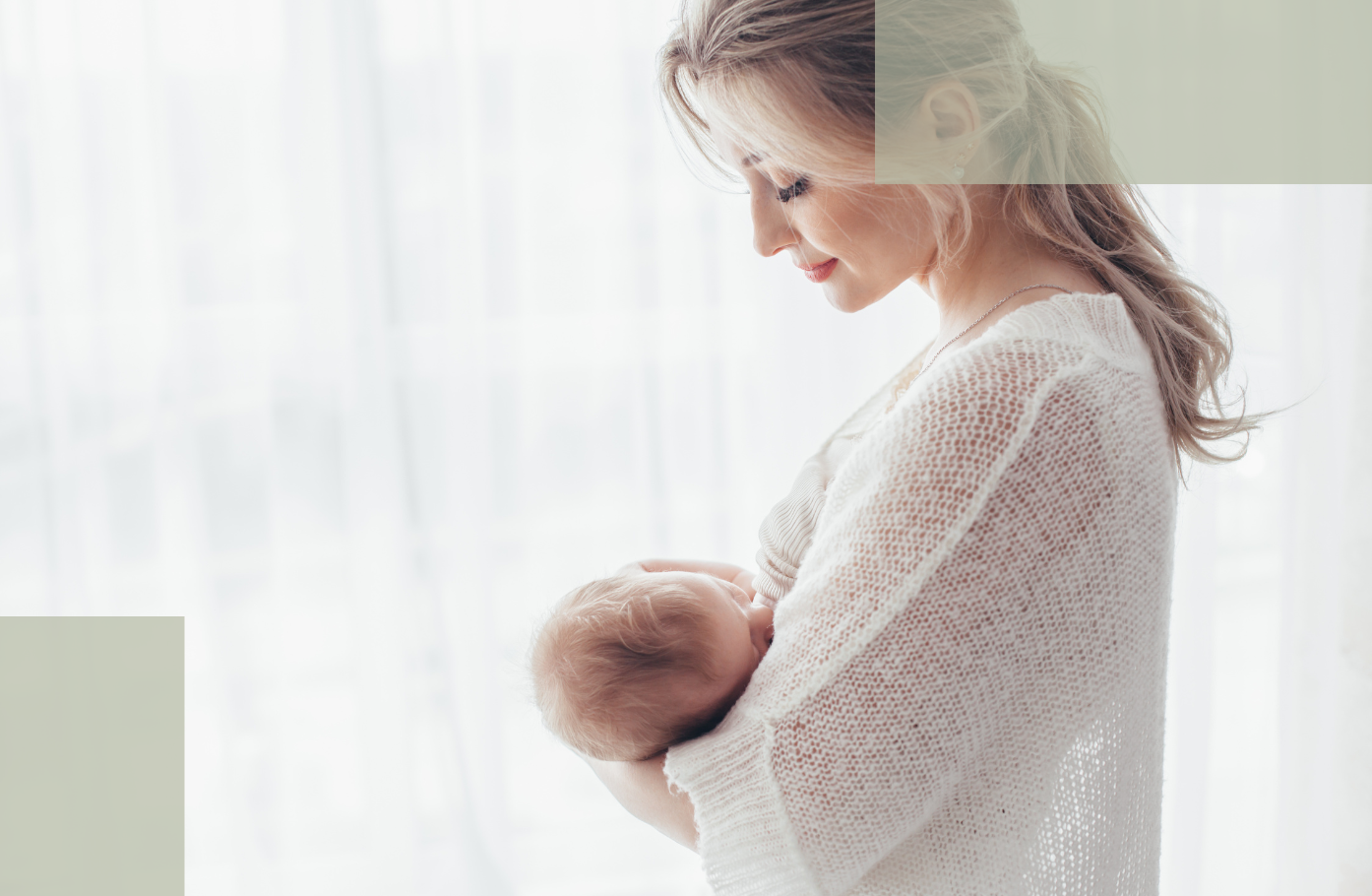
When hair loss begins influencing your habits, routines, and emotional energy.
“I’m constantly searching for fallen hairs everywhere.”
“I’m scared to wash my hair.”
“I avoid photos, going out, and even the wind.”
Postpartum hair loss doesn’t just change your appearance — it quietly reshapes your behavior, your routines, and how you move through your day.
You may think you’re “just losing hair,” but what’s actually happening is this:
👉 Hair loss begins to change the way you cope with life.
For a deeper understanding of the emotional landscape behind these reactions, you can explore the Postpartum Mind Hub.
This guide breaks down:
- why shedding triggers behavioral changes
- the most common behaviors moms fall into
- how these patterns impact your emotions
- how to gently step out of them
I. Constant Mirror-Checking: The Most Visible Sign of Anxiety
You may find yourself:
- checking your hairline every time you pass a mirror
- lifting your bangs to see if they’ve thinned
- taking photos of your temples
- zooming in to compare morning vs. evening
- checking before and after every wash
This isn’t vanity — it’s your brain trying to regain control after a sudden loss of predictability.
But this cycle reinforces:
- elevated anxiety
- “It looks thinner than yesterday…”
- compulsive checking
- the urge to check even more frequently
Mirror-checking is one of the earliest behavioral shifts many mothers experience, explained more deeply in how shedding quietly shapes daily life.
Checking doesn’t stop hair loss — it strengthens fear.
II. Counting Fallen Hairs: Anxiety in Numerical Form
You may start:
- counting hairs in the shower
- counting hairs in your brush
- separating fallen hairs on the floor
- comparing numbers day by day
This is common because shedding feels unpredictable.
Counting gives a false sense of control.
But it also creates:
- dependence on numbers
- emotional “scores” tied to daily shedding
- misinterpretation of natural fluctuations
Daily variation is normal — not a sign of worsening.
This pattern often appears when hormonal sensitivity heightens emotional responses, as described here.
III. Avoiding Outings and Social Events: Quiet Self-Protection
Many mothers unconsciously begin to:
- decline social invitations
- avoid being photographed
- skip gatherings
- avoid meeting friends
- worry others will “notice the thinning”
This isn’t social withdrawal — it’s protecting a fragile self-image.
Hair loss intensifies the identity gap many mothers experience, as explained in the self-image shifts here:
👉 You’re not avoiding people.
👉 You’re avoiding being seen during a vulnerable stage.
IV. Avoiding Certain Environments: When Light, Wind, and Cameras Become Stressors
Common triggers include:
- windy places
- bright lighting
- swimming pools
- gym locker rooms
- group photos
- video calls
- unpredictable camera angles
This isn’t “overreacting.”
It’s your mind saying:
🔸 “I don’t want my most vulnerable areas exposed.”
🔸 “I can’t control light or angles — but I can control avoiding them.”
This is classic avoidance behavior, a natural response to distress.
The emotional weight behind this avoidance is described in the hidden emotional pain of shedding.
V. Hats, Headbands, Hair Powder: Protection (Not Shame)
Many mothers turn to:
- caps
- headbands
- hairline powder
- strategic hairstyles
- tighter ponytails to “close the gaps”
These tools aren’t bad.
They’re self-protection strategies that offer temporary emotional safety.
But over-reliance can deepen sensitivity and dependence.
This pattern is closely tied to the fear of losing control many mothers feel.
VI. Over-Care and Product Overload: The “Fix It Fast” Urgency
You might find yourself:
- switching shampoos constantly
- using 5–7 products at once
- washing too frequently
- massaging too hard
- trying every trending ingredient
- buying expensive oils or serums
- cramming too many rituals into one routine
These actions come from:
🔸 anxiety
🔸 desperation for quick recovery
But aggressive care often:
- irritates the scalp
- worsens micro-inflammation
- increases shedding
- creates the illusion of “more hair falling out”
It’s a reaction rooted in internal pressure similar to the “perfect mom pressure” many mothers experience.
Hair needs consistency, not intensity.
VII. Endless Google Searching: The Classic Hair Loss Anxiety Loop
You may find yourself searching for:
- “how to stop postpartum hair loss fast”
- “does rosemary oil work?”
- “how to know if it’s genetic”
- “why am I shedding this much?”
- “how severe is my case?”
- “how to grow hair overnight”
Searching is a way of seeking certainty.
But the internet is an anxiety amplifier.
And the truth remains:
👉 Every article says the same thing:
Time + gentle care = recovery.
Constant searching leads to:
- heightened tension
- comparison
- fear
- the sense that “everyone improves except me”
This is the classic anxiety-behavior loop.
This is part of the stress–hair loss cycle explained here.
And in severe emotional days, the same loop can amplify postpartum anxiety or PPD.
VIII. Why Does Hair Loss Affect Behavior So Deeply?
Because shedding isn’t just an appearance issue.
It taps into:
- self-worth
- identity shifts
- fear of losing control
- uncertainty
- perfection pressure
- social comparison
- emotional vulnerability
Hair loss activates a deeper psychological cycle:
👉 loss of control → fear → avoidance → hyper-focus → reinforced fear
These behaviors are not “dramatic.”
They are survival mechanisms.
You are protecting yourself.
IX. How to Gently Step Out of Behavioral Anxiety
(Practical, kind, sustainable methods)
1. Replace checking with recording
Once a week
→ take a single photo
→ note shedding stage
→ move on
Let information support you, not overwhelm you.
2. Allow covering, but avoid depending on covering
Caps and hair powder are tools — not conditions for self-worth.
3. Set a boundary for searching
Example rule:
“I can search for 10 minutes a day, no more.”
Then follow your routine instead of consuming more content.
4. Avoid aggressive routines — choose gentle consistency
Recovery requires stability, not intensity.
5. Integrate care into your existing day
Not extra time — just tiny rituals:
- 3 minutes scalp massage during shower
- nutritional add-ons
- calming routines before sleep
Small acts → big emotional relief.
6. Speak to yourself with softness
Tell yourself:
“I am healing.”
“My body is rebuilding.”
“I’m doing my best.”
You deserve gentleness.
🌿 Conclusion: Your Behaviors Aren’t “Strange” — They’re Protective
Postpartum hair loss is not something you face alone.
Every mother who has walked this path has felt:
- fear
- avoidance
- counting
- checking
- covering
- over-care
- anxiety
- emotional fatigue
But your rhythms will return.
Your confidence will rebuild.
Your body will stabilize.
Your hair will grow back.
Hair loss is one chapter, not your identity.
You are not losing yourself — you are finding yourself again, slowly and gently.
If you want to understand why shedding peaks around 3–6 months postpartum, our Postpartum Hair Loss guide breaks it down clearly.
If you’re looking for a postpartum-friendly shampoo, the Evavitae Root Fortifying Hair Essence fits well with a gentle recovery routine.