
Many people assume that hair recovery depends on:
• hair growth products
• massage
• washing techniques
• topical stimulation
But in stress-related hair loss, none of these are the primary drivers.
What truly determines whether hair can grow back is this:
👉 when the body withdraws the “stop growing” command – a process that can only be understood within the broader physiological framework of stress hair loss.
One-sentence conclusion first
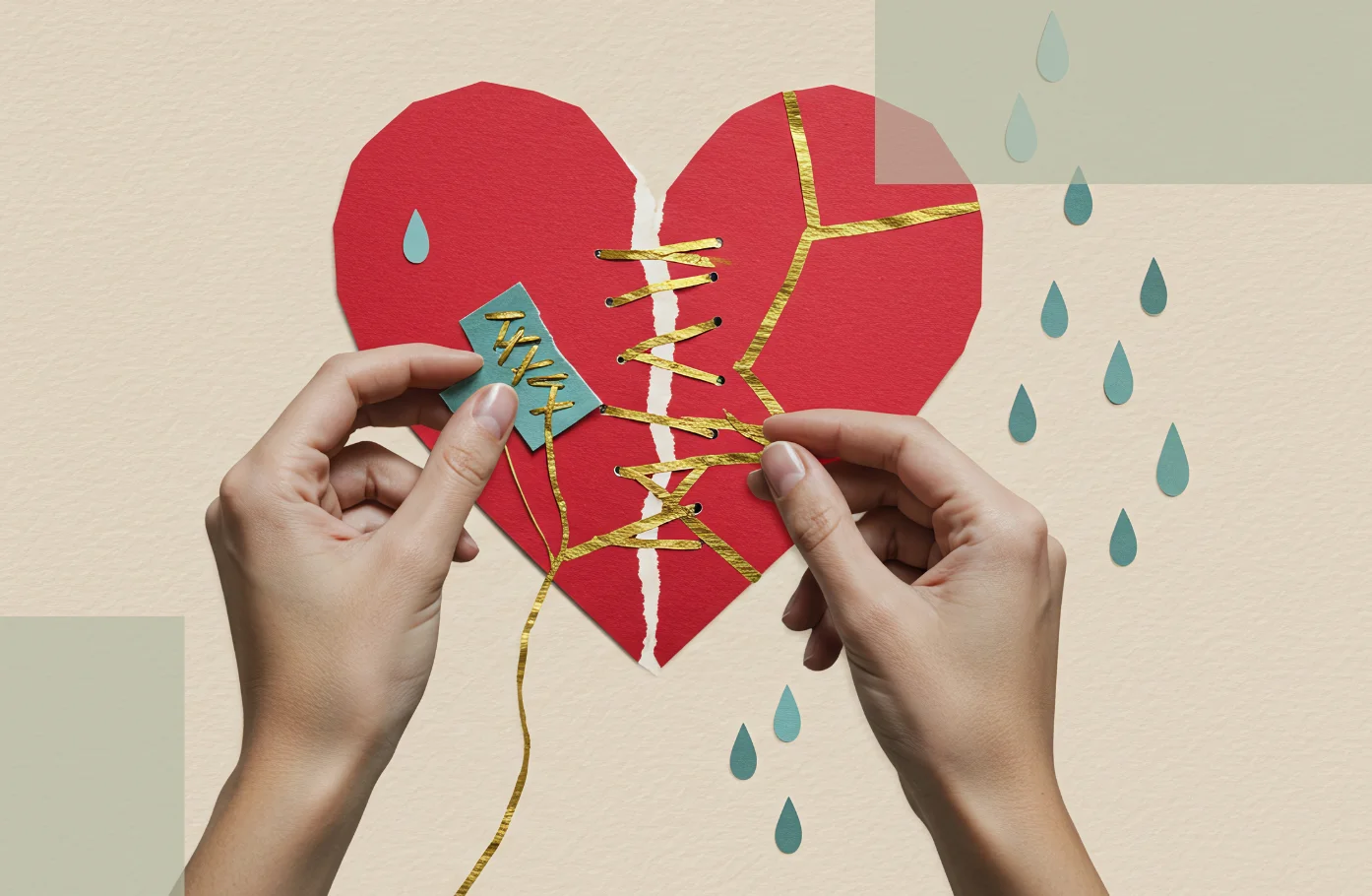
Recovery from stress hair loss is essentially a process of: stress signals resolving → system downshifting → hair follicles being re-allowed to enter the growth phase.
You are not “forcing” follicles to work — they are finally being permitted to work again.
The overall recovery logic of stress hair loss (the core framework)
Stress hair loss is recoverable because three fundamental conditions are present:
✅ Hair follicle structures are not destroyed
✅ Hair follicle stem cells remain intact
✅ Growth is paused, not terminated
Once the internal environment changes, follicles inherently retain the capacity to restart — which is why recovery unfolds through a predictable, stepwise biological process described in the stress hair loss recovery pathway.
1️⃣ Recovery Mechanism #1: Cortisol levels decline (stress signals are lifted)
This is the most foundational step.
Under chronic stress:
• Cortisol remains elevated
• Hair follicles are actively suppressed from entering the growth phase
When the following begin to occur:
• Sleep improves
• Stressors resolve or weaken
• Emotional vigilance decreases
👉 Cortisol levels begin to drop.
What follows:
• Inhibitory signals weaken
• Follicles are no longer forced to remain in the resting phase
• Growth pathways gradually reopen
📌 If this step does not happen, no amount of topical care can truly initiate recovery — a process explored in depth in how cortisol reduction allows hair to regrow.
2️⃣ Recovery Mechanism #2: Autonomic nervous system balance is restored
During prolonged stress:
• The sympathetic nervous system dominates
• The body remains in “fight or flight” mode
Recovery begins when:
👉 the parasympathetic nervous system re-enters regulation.
This leads to:
• Return of relaxation capacity
• Improved scalp vascular regulation
• Gradual reduction in tightness and discomfort
📌 This explains a common experience: the scalp feels better first — shedding slows later, a sequence explained in autonomic nervous system rebalancing during stress hair loss recovery.
3️⃣ Recovery Mechanism #3: Hair follicles complete telogen → naturally transition back to anagen
This is a timing mechanism, not an instant response.
Key facts:
• Follicles that entered the resting phase
• must complete the full telogen period (about 2–3 months)
• before they can transition back to growth
The sequence almost always looks like this:
1️⃣ Stress eases
2️⃣ Shedding continues
3️⃣ Shedding decreases
4️⃣ New hair begins to emerge
📌 Continued shedding does not mean recovery has failed — it means the biological process is still running, as outlined in when follicles finish telogen and naturally return to growth.
4️⃣ Recovery Mechanism #4: Hair follicle stem cells are reactivated
Research shows that under stress:
• Hair follicle stem cell activity is suppressed
• Not eliminated — simply dormant
Once stress signals retreat:
• Growth-promoting signals return
• Stem cells reactivate
• New hair formation restarts
This is why newly grown hair often appears:
• very fine
• soft
• downy or “fuzzy” at first
📌 This represents the follicle rebooting from 0 → 1, not weakness — a process explained in how hair follicle stem cell reactivation truly begins regrowth.
5️⃣ Recovery Mechanism #5: Microcirculation and energy supply rebound
As stress resolves:
• Blood flow is no longer restricted to survival priorities
• Microcirculation gradually returns to the scalp
• Follicles regain access to sufficient oxygen and energy
At this stage:
• Growth speed begins to increase
• New hair starts to thicken and gain visibility
This is a crucial distinction:
➡️ Hair emerging ≠ hair looking dense
➡️ Visible density returns only after energy supply stabilizes
This transition is detailed in how microcirculation and energy supply keep new hair growing.
6️⃣ Recovery Mechanism #6: Inflammatory background decreases and the follicle environment rebuilds
Chronic stress is often accompanied by:
• Low-grade inflammation
• Scalp barrier instability
• Heightened follicle sensitivity
During recovery:
• Inflammatory signals decline
• Scalp barrier function improves
• Follicles can maintain the growth phase more easily
This is precisely why the recovery phase is most vulnerable to:
❌ excessive stimulation
❌ aggressive “growth forcing”
❌ frequent regimen changes
📌 These behaviors can frighten follicles back into defensive mode, a risk explained in why reducing inflammatory background determines whether shedding returns.
Why stress hair loss recovery is always a “slow start”
Because this is a system-wide recalibration, not a local repair:
• The nervous system must re-tune
• Hormonal axes must stabilize
• Follicles must re-enter cycles in sequence
Any promise of:
“two-week regrowth”
“instant thickening”
contradicts the physiology of stress-related hair recovery — which is why progress unfolds gradually along a month-by-month stress hair loss recovery timeline.
Understanding how each biological mechanism aligns with lived experience is key, which is why many people find clarity in how recovery mechanisms map to the recovery timeline.
A critically important reframing
The true sign of recovery from stress hair loss is not “I suddenly have a lot of hair again,”
but this: 👉 my body is no longer continuously judging the environment as unsafe.
Daily behavior matters here — because recovery is supported or delayed by what you repeatedly signal to the system, as outlined in how daily habits interact with stress hair loss recovery mechanisms.
At this stage, gentle external support — such as a root-fortifying hair essence designed to stabilize the scalp environment while internal recovery unfolds — can complement the process, but it can never replace systemic downshifting.
Final Thoughts
You do not need to fight stress hair loss.
What you need is this: 👉 to allow the body to believe that it is finally safe again.
When that internal judgment changes, recovery is already underway — hair growth simply follows.