
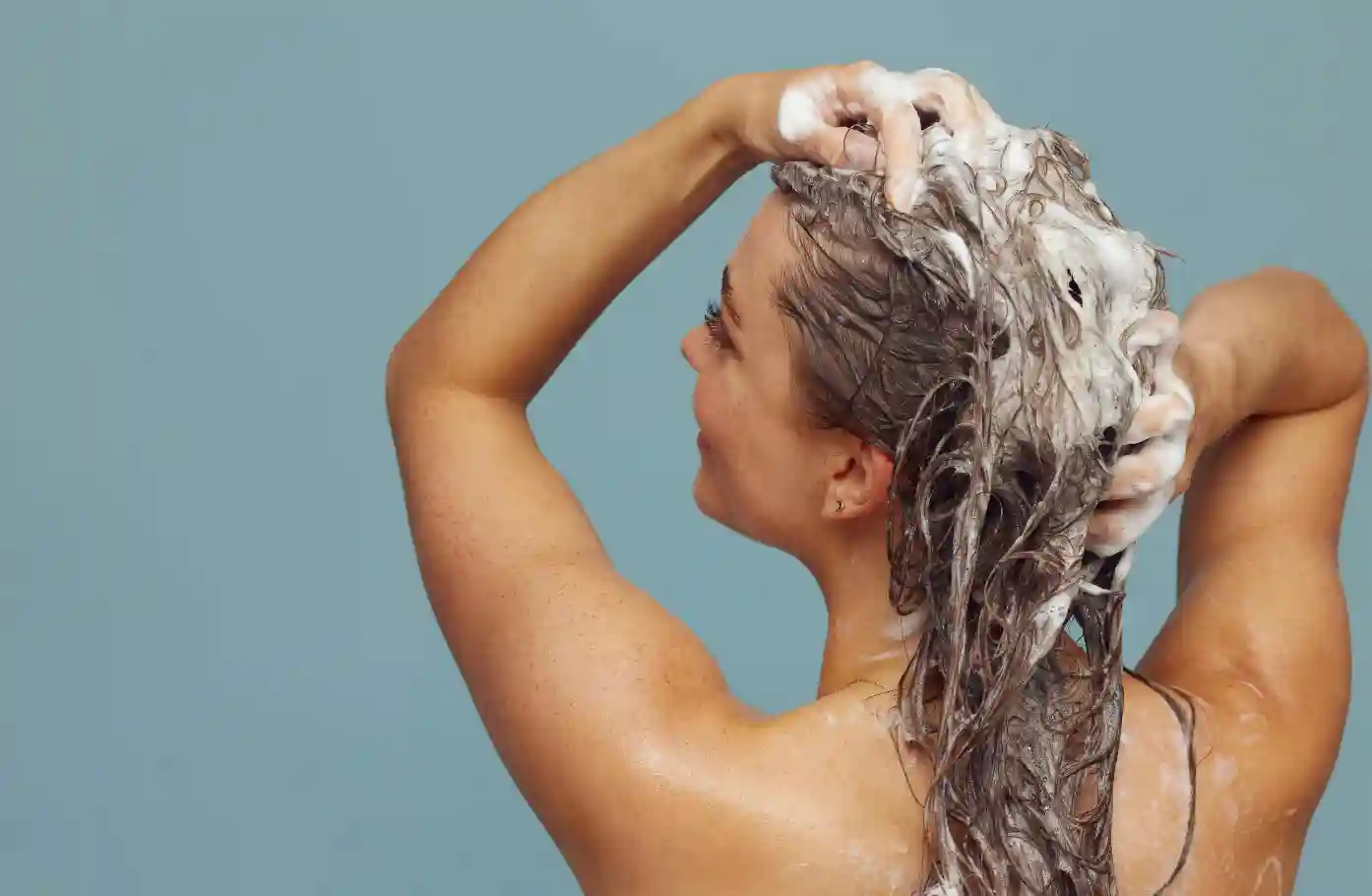
(Layered by Oil Level and Scalp Condition)
In nutrition-deficiency-related hair loss, washing frequency is not a number you calculate—it is a result you stabilize.
If you are experiencing nutrient-deficiency hair loss, you may have asked—or been asked—this question:
“How many days should I wait between washes?”
You may have encountered completely conflicting advice:
Wash every day to keep follicles clean
Wash less to let the scalp rest
Wash only when it gets oily
The problem is that most of these suggestions assume one thing: that your system is already stable. In nutrient-deficiency hair loss, the system is not yet stable.
The goal of this article is not to give a single numerical answer. It is to help you find a reasonable frequency range—one that minimizes scalp fluctuation and prevents hair loss from being visually amplified (Scalp Care & Routine).
1. Correcting a Core Misconception: Precision is Not the Goal
Many try to identify:
“The most scientific washing interval = X days”
In nutrient-deficiency hair loss, this mindset itself often leads people off track because:
Scalp condition fluctuates daily
Nutritional replenishment is still adjusting (Overview of Internal Support)
Barrier function and oil rhythm are not yet stable (Barrier Repair)
Chasing an “exact” frequency often results in:
Forcing yourself not to wash to follow a rule
Or washing too often to chase short-term freshness
The result is repeated cleansing stress, keeping the scalp in a constant reactive state (Gentle Cleansing).
At this stage: stability matters more than precision.
2. Why Washing Frequency Directly Affects Hair Loss Perception
In nutrient-deficiency hair loss, washing frequency does not determine follicle fate. It influences how hair loss is perceived through three experience-level variables.
2.1 Whether Cleansing Stress is Repeatedly Stacked
Washing too often → cumulative cleansing irritation
Washing too infrequently → buildup of oil and inflammatory background (Scalp Environment)
Both ends increase scalp sensitivity.
2.2 Whether Shedding Appears Concentrated on Wash Days
Washing tends to remove hair that is already:
In the shedding phase
Broken due to friction (Avoiding Mechanical Damage)
When frequency is unstable, it becomes easy to think:
“Every time I wash, I lose a lot of hair.”
When frequency stabilizes, shedding distributes more evenly, reducing anxiety.
2.3 Whether the Scalp Has Time to Return to a Calm State
A reasonable frequency should allow:
Time for barrier recovery after cleansing (Anti-Inflammatory Balance)
An uninterrupted repair window
3. Layering by Oil Level × Scalp Condition — Not Identity Labels
In nutrient-deficiency hair loss, washing frequency is determined not by who you are, but by current scalp condition (Six-Dimension Framework).
Layer 1: Higher Oil, No Irritation or Itch
Signs:
Oil appears quickly
No tightness post-wash
Minimal scalp discomfort
Frequency approach:
No need to deliberately extend intervals
Priority: avoid stronger cleansing (Gentle Cleansing)
Layer 2: Moderate Oil, Post-Wash Tightness or Dryness
Signs:
Feels fresh immediately after washing
Discomfort hours later or next day
Sensitive to cleansing strength
Frequency approach:
Focus on post-wash reaction, not oil speed
Slightly extend intervals to allow barrier repair
Layer 3: Low Oil, Chronic Sensitivity or Itching
Signs:
Minimal oil production
Frequent itching, tightness, warmth
Strong reactions to environmental changes
Frequency approach:
Avoid washing “just because”
Allow quiet time for scalp recovery
Layer 4: Low Oil, Dry/Fine Hair That Breaks Easily
Signs:
Hair shaft visibly thin
Dryness after washing
Increased breakage (Hair Fiber Repair)
Frequency approach:
Protect hair shaft
Minimize unnecessary friction and dryness
Adjust both frequency and method together
4. A Simple Self-Check: Is Your Frequency Stable?
Observe three points:
Does your scalp return to comfort within a reasonable time?
Does hair loss appear more even, less spiked?
Are you no longer anxious about whether to wash or not?
If yes, your frequency is likely recovery-friendly.
5. Three Non-Negotiable Rules
Do not rely on strong cleansing for freshness (Gentle Cleansing)
Do not force rigid rules
Do not frequently change rhythm
Recovery requires a sustainable, low-fluctuation daily structure.
6. Other Dimensions to Consider Together
Washing frequency is never isolated. Consider:
Mechanical damage (Avoiding Mechanical Damage)
Heat management alignment (Heat Management)
Scalp massage interference (Scalp Massage)
Before the system stabilizes, what matters is not “washing correctly”, but not repeatedly interrupting recovery (Evavitae Root Fortifying Hair Essence).
When frequency stabilizes, the scalp finally has a chance to stabilize as well.