
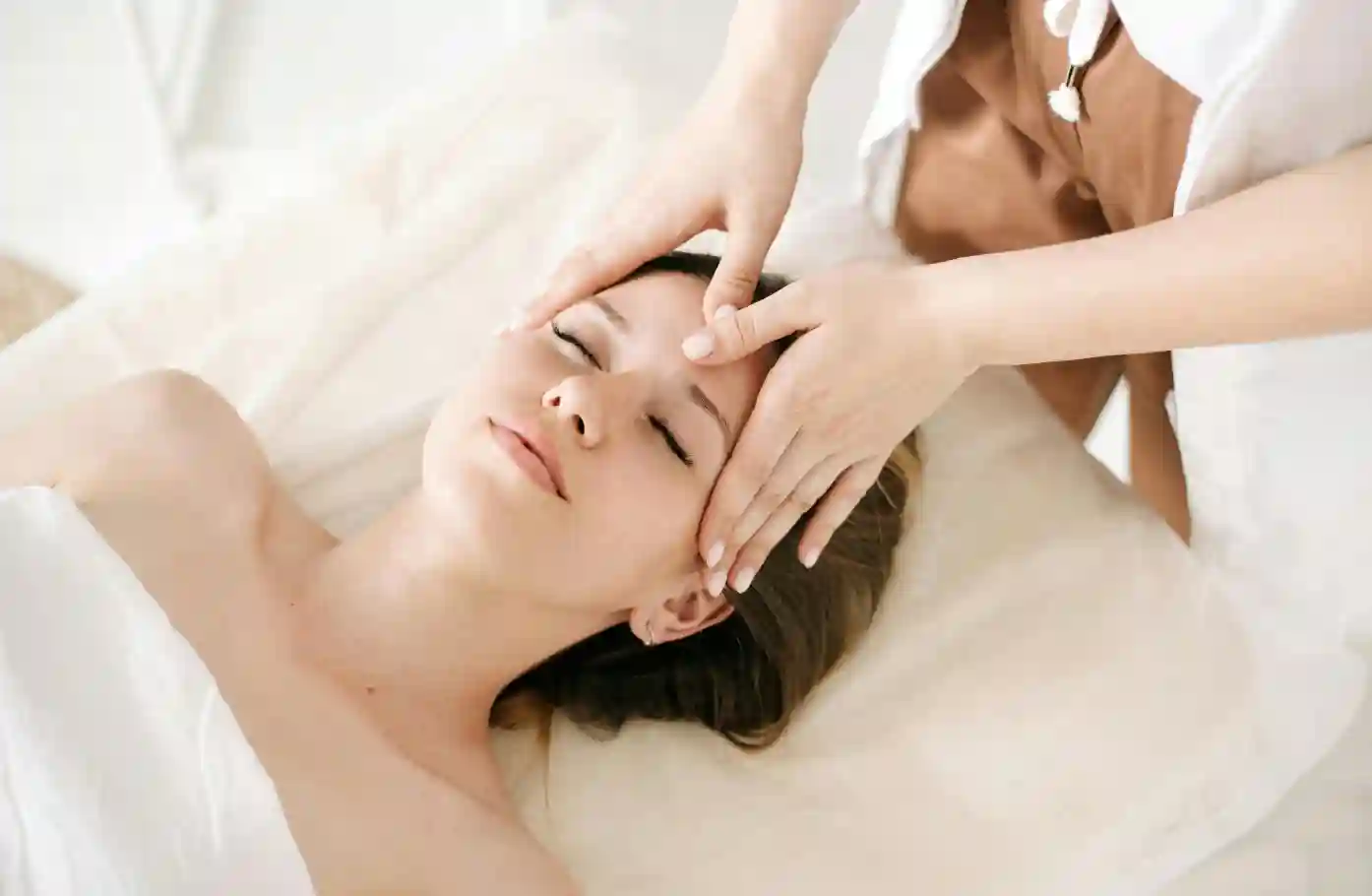
In nutrition-deficiency-related hair loss, scalp massage is one of the most overestimated — and most easily misused — practices.
After noticing increased shedding, many people naturally place their hopes on scalp massage:
Can it improve blood circulation?
Can it “deliver nutrients” to the follicles?
If I massage more, will my hair grow faster?
These expectations are understandable.
But in nutrient-deficiency hair loss, scalp massage cannot create nutrients, nor can it replace nutritional supply (Overview of Internal Support).
What it can actually change is the local condition in which hair follicles exist. Understanding this distinction largely determines whether massage becomes a supportive tool — or an unintentional source of interference (Scalp Care & Routine).
1. Correcting a Common Misconception: Massage ≠ “Pressing Nutrients Into Follicles”
The most common claim about scalp massage is:
“It improves circulation and delivers nutrients to the follicles.”
This sounds reasonable, but in the context of nutrient deficiency, it is often misunderstood.
The reason is simple:
Nutrient delivery requires that sufficient resources exist in the body (Protein: Raw Material for Hair)
If iron, protein, or overall energy availability is low (Iron & Ferritin)
Even perfect “transport conditions” cannot deliver what does not exist
Therefore, in nutrient-deficiency hair loss, massage is not a supply mechanism, but an environment-modulating tool (Scalp Circulation).
2. What Does Massage Actually Change? Three “Local Conditions”
When performed correctly, scalp massage can support recovery — but its effects are limited to a few specific local conditions.
2.1 Tension and Tightness
Chronic stress, anxiety, and posture-related issues can leave the scalp in a persistent, unconscious state of tension.
Gentle, short-duration massage can help:
Relax local tissues
Reduce sustained tension
Shift the scalp from a contracted state back toward neutrality
This does not trigger immediate hair growth, but reduces unnecessary pressure on follicles (Safety & Sensitive Scalp).
2.2 Local Microcirculation and Metabolic Environment
Massage temporarily increases local blood flow. Its value is not in “delivering more nutrients”, but in:
Improving the local metabolic environment
Supporting smoother exchange of metabolic byproducts
Helping tissues remain in a more recovery-compatible state
This is condition optimization, not resource creation (The Science of Topical Ingredients).
2.3 Nervous-System “Safety Signals”
Gentle, rhythmic tactile input can send a signal to the nervous system:
“This area is safe. No need to enter a stress response.”
Against a background of chronic stress and nutrient deficiency, this alone can help reduce local tension and discomfort.
3. Why Massage is Easier to Misuse During Nutrient Deficiency
Because massage is often given unrealistic expectations, it is more likely to be overused.
3.1 Excessive Intensity
Aggressive rubbing
Chasing soreness or strong sensations
Massaging until heat or pain appears
These can easily trigger inflammation or discomfort (Anti-Inflammatory Balance).
3.2 Excessive Frequency or Duration
Multiple sessions per day
Sessions lasting 15–20 minutes or longer
When resources are limited, excessive stimulation becomes an additional burden.
3.3 Using Massage as a “Compensation Tool”
For example:
Shedding increases → massage harder
Anxiety rises → increase intensity
This approach often obscures real recovery trends.
4. The Correct Role of Massage During Nutrient Deficiency
In one sentence: Massage is an enhancement, not a rescue.
It is best used:
After cleansing habits, washing frequency, and mechanical damage are relatively stable (Gentle Cleansing)
As a low-intensity, easily recoverable supportive behavior
It should not be used:
To counteract heavy shedding
To replace nutritional replenishment (Supplements & Micronutrients)
5. A Simple Self-Check: Is Massage Helping or Interfering?
Ask yourself:
After massage, does my scalp feel calmer or more sensitive?
If I stop for a few days, does my condition worsen?
Am I using massage to support recovery — or to fight anxiety?
If massage becomes:
A mandatory task
Something you feel uneasy skipping
Something that keeps escalating in intensity
…it has likely drifted away from its intended role (Six-Dimension Framework).
6. Putting Massage Back Where It Belongs
In nutrient-deficiency hair loss, what truly determines recovery rhythm is still:
Whether nutrition is gradually replenished (Iron & Ferritin)
Whether the overall system is slowly stabilizing
Scalp massage can only do one thing: help create a more supportive local condition during that process (Evavitae Root Fortifying Hair Essence).
When you stop expecting massage to “solve everything,” it becomes far more likely to remain a gentle, helpful, and non-disruptive presence in recovery.