
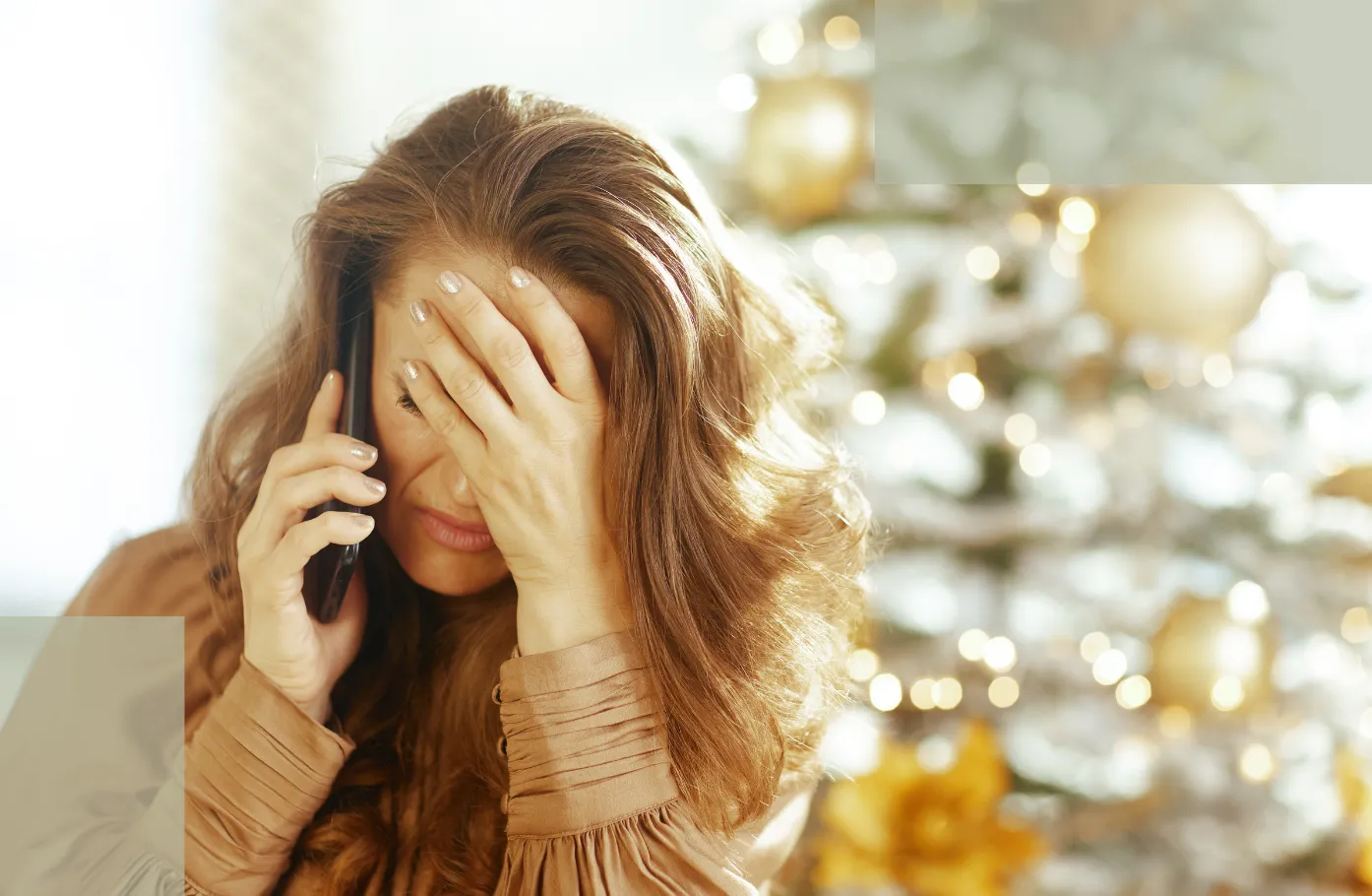
Postpartum hair loss may look like a “hair issue,” but what truly overwhelms many women isn’t the shedding itself — it’s the emotional weight behind it:
- the shock of seeing handfuls of hair during every wash
- the sudden sense of helplessness
- the fear that “I must have done something wrong”
- the loss of control
- the fear of not knowing when it will stop
These reactions are not dramatic, nor are they “overly sensitive.”
They are the most natural responses when a mother is navigating physical rebuilding + hormonal shifts + new identity + chronic sleep deprivation.
If you want a gentle framework to understand why your emotions feel so intense in this chapter, our postpartum emotional wellness guide offers a clear, compassionate overview of the postpartum mind.
This guide will gently help you understand:
- why postpartum hair loss triggers such intense emotional reactions
- why the psychological burden can feel so heavy
- and, most importantly, how to walk out of this emotional darkness with clarity and grounding
I. Why Are Emotional Reactions to Postpartum Hair Loss So Intense?
(Postpartum biology + psychology combined)
Postpartum hair loss is not a simple event — it is a physiological + emotional + cognitive chain reaction.
Here are the five biggest reasons:
1. The suddenness of shedding triggers a shock response
Postpartum hair loss typically explodes around 2–4 months after birth.
What used to be 50–100 strands/day can suddenly become 150–400/day.
The experience of:
- pulling out a handful of hair
- seeing hair cover your palms in the shower
- finding hair everywhere on the floor
creates an immediate “threat response” in the brain:
“Am I sick?”
“Is this normal?”
“Will I go bald?”
This isn’t weakness — it’s a biological reaction to a sudden, visible change and a core part of the hidden emotional distress many mothers experience.
2. Hormonal shifts magnify emotional sensitivity
Within 24–48 hours postpartum:
- estrogen drops dramatically
- progesterone plummets
- thyroid hormones fluctuate
- cortisol becomes unstable
These hormones regulate:
- emotional balance
- stress tolerance
- sensitivity to negative events
When hormones swing dramatically, even small stressors feel enormous — let alone hair loss.
You are not “overreacting.”
You are experiencing hormone-driven emotional amplification.
This hormone-driven emotional amplification is explained further here
3. Sleep deprivation intensifies negative emotions
Lack of sleep:
- increases anxiety
- weakens emotional regulation
- elevates cortisol
- makes shedding appear worse
- reduces cognitive resilience
When you’re already exhausted, hair loss becomes the “final straw” that breaks your emotional balance.
4. Self-worth and confidence take a hit
Hair loss often shakes:
- body image
- self-esteem
- feelings of attractiveness
- sense of identity
- personal value
Thoughts like:
- “I don’t look good anymore.”
- “I’m losing my appeal.”
- “I look tired and worn out.”
can create deep emotional turbulence, making shedding not just a physical change but a psychological blow.
This shift in identity is explored in more depth here.
5. Uncertainty creates a profound sense of loss of control
The hardest part of postpartum shedding is:
👉 you don’t know when it will stop
Questions flood in:
- “How much longer?”
- “Is this going to get worse?”
- “When will it start growing back?”
- “Is this permanent?”
Uncertainty itself is a major stress trigger — especially postpartum.
This uncertainty often leads to intense fear and destabilization, described here
II. The Most Common Emotional Experiences (You Are Not Alone)
Across thousands of postpartum stories, these reactions appear again and again:
1. Anxiety
Constant worry about:
- “Is it still falling out?”
- “Is something wrong with me?”
- “Do I have a health issue?”
Often accompanied by:
- trembling
- heart palpitations
- fear of washing hair
- repeatedly checking the hairline
- compulsively searching online
These patterns are part of how shedding quietly shapes daily life:
2. Fear
Especially:
- fear of balding
- fear it will never grow back
- fear that it’s genetic or permanent
This fear is extremely common.
3. Frustration
When you’re already trying hard:
- using gentle shampoos
- adjusting your routine
- strengthening your nutrition
yet shedding still continues:
“Why am I doing so much but still losing so much?”
This is a classic high-effort → low-feedback emotional response.
4. Panic
Particularly during showering
when large strands suddenly come off.
This is the #1 panic moment reported by postpartum women.
5. Emotional sensitivity and crying easily
Many mothers say:
“I used to be strong and independent.
But during this period, I feel like I could cry at anything.”
This is not personality — it’s a mix of hormonal instability + emotional overwhelm + body changes.
6. Self-doubt
Including:
- “Am I no longer attractive?”
- “Do I look unhealthy?”
- “Can people see my thinning areas?”
This can significantly increase mental burden.
This often blends with social pressure. For some women, these emotions can also amplify PPD symptoms.
III. How Emotional Stress Makes Hair Loss Worse
(The Stress–Hair Loss Loop)
Here is the most important mechanism to understand:
1. Stress → cortisol rises
High cortisol:
- prolongs the telogen (resting) phase
- slows energy production in follicles
- delays regrowth
2. Higher cortisol → more shedding → more anxiety
Anxiety → poor sleep → even higher cortisol → more shedding
A classic vicious cycle forms:
➡ Stress
➡ Sleep loss
➡ Amplified shedding
➡ More anxiety
➡ Even more shedding
The cycle only ends when emotional stability begins improving. The loop is explained more in details here.
IV. How to Walk Out of This Emotional Darkness
(Practical, science-backed, gentle methods)
① Name your feelings — it instantly reduces anxiety
(“Affect labeling” — a proven psychological technique)
Say to yourself:
- “I feel scared right now.”
- “I feel anxious.”
- “I feel overwhelmed.”
- “This experience is heavy for me.”
When you name the emotion, your brain stops interpreting it as a threat.
② Build “controllable habits” to restore safety
Small, simple routines that give the brain a sense of stability:
- gentle washing
- consistent routine
- 1–2 minutes of scalp massage
- a glass of water every morning
- deep breathing 3× per week
Your mind begins to shift from chaos → control.
③ Reduce “triggers” such as over-checking
Limit:
- looking in the mirror
- counting shed hair
- touching hair constantly
- measuring thinning areas
This is called “trigger reduction” and it significantly decreases anxiety.
④ Avoid excessive online searching
(especially when emotionally fragile)
Online content often amplifies fear — not clarity.
Set a boundary:
“No more than 10 minutes today.”
⑤ Talk to someone you trust — do not carry this alone
You can say:
- “I am scared of my hair loss.”
- “I need some emotional support.”
- “This feels out of my control right now.”
Motherhood’s load can feel overwhelming, being understood is profoundly healing.
⑥ Give yourself time, not pressure
Remember:
- postpartum shedding is not your fault
- it follows a cycle
- you are already doing your best
- you are healing
- you deserve gentleness
V. You Are Stronger Than You Feel
You are carrying:
- physical recovery
- hormonal shifts
- sleep deprivation
- new identity
- social expectations
- body image challenges
- the emotional shock of shedding
You are holding so much — and still moving forward.
That is not weakness.
That is strength.
The hair will grow back.
Your emotions will stabilize.
Your confidence will return.
You are not unraveling — you are rebuilding.
You are not failing — you are healing.
You are not alone — you are becoming.
For encouragement and emotional reframing, see here.
To see how hormonal shifts, nutrients, and lifestyle factors influence shedding, read our full Postpartum Hair Loss.
To support a healthier scalp barrier, a gentle product like the Evavitae Root Fortifying Hair Essence can be a helpful part of the routine.