Many new mothers notice something frustrating:
Not only is postpartum shedding significant, but during periods of higher stress or poorer sleep, the hair loss becomes even more intense and lasts longer.
Why does this happen?
Is it just “postpartum exhaustion”?
Or is there a deeper biological mechanism at work?
Medically speaking, stress and sleep deprivation are two of the most underestimated—but powerful—drivers of postpartum hair loss.
They elevate cortisol, the body’s primary stress hormone, which directly disrupts the hair growth cycle, prolongs the resting phase, and slows recovery.
To understand how stress fits within the broader set of postpartum triggers (nutrition, hormones, thyroid, scalp factors, delivery method), see:
👉 Postpartum Hair Loss Causes & Risks
This article explains the science behind stress, sleep, cortisol, and postpartum shedding—and how you can support your hair during this challenging period.
1. Why Does Stress Trigger Hair Loss? The Key Is Cortisol
When you experience:
- Poor sleep
- Frequent night wakings
- High caregiving pressure
- Persistent fatigue
- Emotional tension
your body produces more cortisol.
A healthy amount of cortisol is necessary.
But chronically elevated cortisol affects multiple systems— and hair follicles are among the most sensitive.
For a deeper explanation of how cortisol physiologically affects postpartum shedding, you can also read:
👉 Stress, Sleep & Cortisol Connection
2. How Elevated Cortisol Disrupts Hair Growth (The Scientific Mechanisms)
1. It prevents follicles from entering the anagen (growth) phase
A normal cycle goes:
Growth → Transition → Resting → Growth again
But with high cortisol:
- Follicles struggle to “switch on” the new growth phase
- Resting phase becomes prolonged
This results in:
- Slow regrowth
- Delayed recovery from postpartum TE
- Prolonged thinning at the hairline and temples
2. It reduces hair follicle stem cell activity
Follicle stem cells initiate new hair growth.
High cortisol decreases their activity, leaving follicles “dormant.”
Visible signs:
- Baby hairs growing slowly
- New strands soft and fine
- Density returning very gradually
3. It triggers telogen effluvium (stress-induced shedding)
This is classic stress-related hair loss.
Because postpartum hair loss is already a form of TE, stress intensifies the shedding:
- Sudden, heavy shedding
- Hair falling out in handfuls during washing
- Prolonged shedding for weeks or months
4. It increases scalp inflammation and sensitivity
Stress affects the immune system and can cause:
- More dandruff
- Oily or imbalanced scalp
- Redness or itchiness
- Increased sensitivity
If your scalp becomes more oily, flaky, or inflamed under stress, this guide may help:
👉 Scalp Health & Postpartum Hair Loss
In simple terms:
when stress rises, follicle resilience drops.
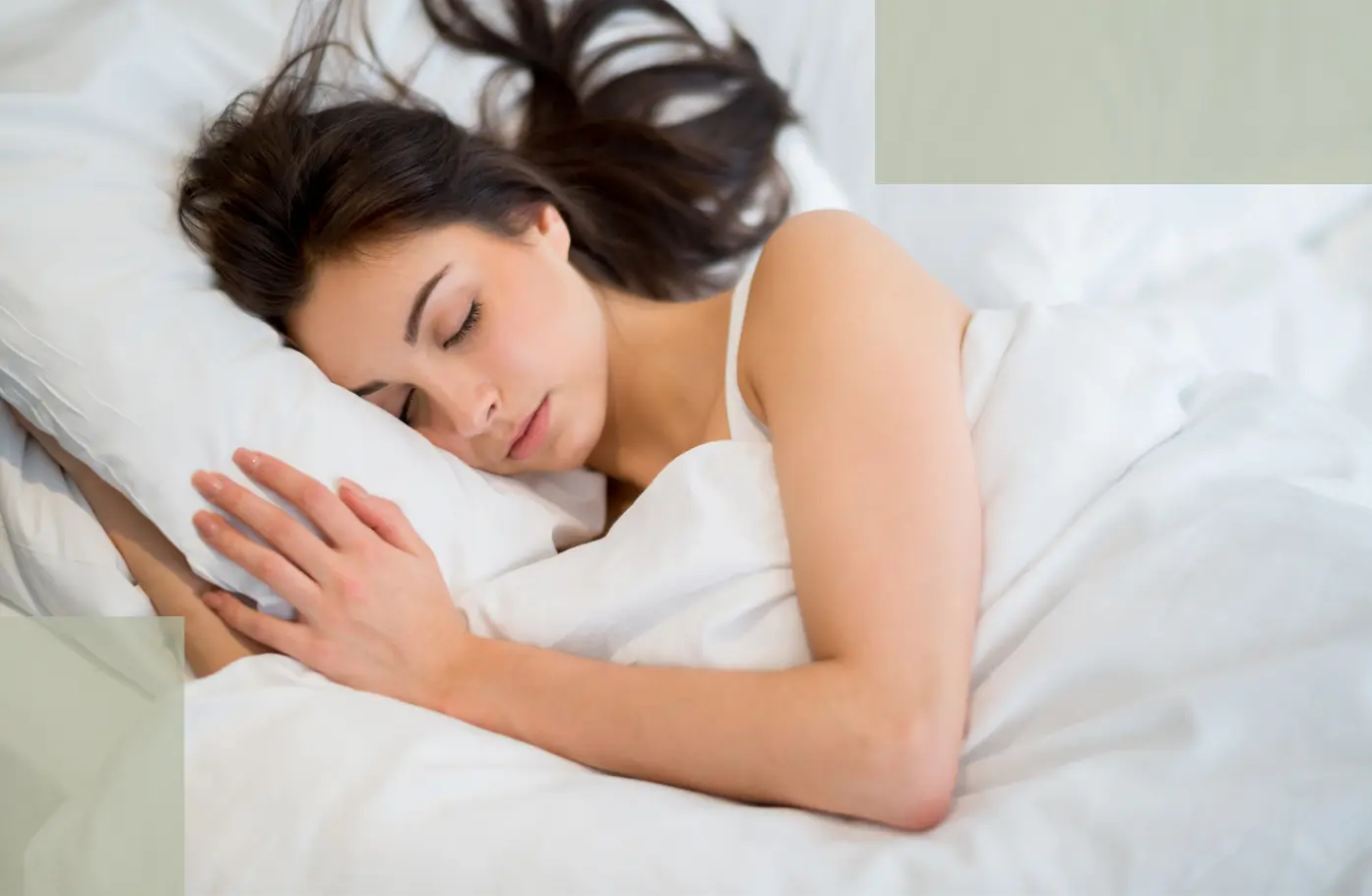
3. Why Does Sleep Deprivation Make Postpartum Hair Loss Worse?
Sleep is the body’s repair window for follicles, hormones, and the immune system.
Postpartum sleep, however, is heavily disrupted:
- Night wakings
- Irregular sleep cycles
- Shallow or fragmented sleep
- Lack of deep sleep
- Overall sleep duration reduced
Sleep deprivation impacts hair in several direct ways.
1. Cortisol rises significantly when you sleep less
Less sleep → higher cortisol
Higher cortisol → harder for follicles to enter growth phase
This creates a vicious cycle:
Poor sleep → High stress → More shedding → Anxiety → Even worse sleep
2. Growth hormone decreases
Growth hormone is released during deep sleep and is essential for:
- Hair follicle repair
- Healthy regrowth
- Scalp tissue restoration
Less deep sleep = weaker follicle recovery.
3. Sleep affects thyroid and hormonal balance
Sleep deprivation can disrupt:
- TSH (thyroid-stimulating hormone)
- Thyroid hormone production
- Female hormonal cycles
All of which can amplify shedding.
If you suspect thyroid involvement, this resource is helpful:
👉 Postpartum Thyroid Dysfunction
4. Why New Mothers Are Especially Prone to Stress-Related Hair Loss
Because they face multiple stressors at once:
- Sudden hormonal drop
- Chronic lack of sleep
- High caregiving pressure
- Emotional instability
- Physical recovery
- Nutrient depletion
- Psychological adaptation to motherhood
Postpartum shedding is rarely a single-cause event.
Instead, it’s:
Hormonal TE + Stress TE + Sleep-deprivation TE = Stronger, longer-lasting shedding
This is why some mothers experience more intense or prolonged hair loss than others.
For mothers who also breastfeed, nutrient depletion can intensify this cycle:
👉 Breastfeeding as a Recovery Amplifier
And if your delivery involved C-section or slow metabolic recovery, this may also play a role:
👉 Delivery Method & Metabolic Recovery
5. How to Know If Stress Is Worsening Your Postpartum Hair Loss
You’re likely experiencing stress-amplified shedding if:
✔ Shedding is heavier or lasts longer than expected
✔ Anxiety, palpitations, frequent crying
✔ Difficulty falling asleep or staying asleep
✔ Feeling unrefreshed upon waking
✔ Increased dandruff, oiliness, or scalp sensitivity
✔ Shedding worsens during emotional fluctuations
✔ Tension headaches or tight neck/shoulder muscles
If you meet 3 or more, stress is likely a major contributor.
Also note: women with genetic sensitivity may experience stronger stress responses in follicles:
👉 Genetic Predisposition & Slower Recovery
6. Will Stress-Related Postpartum Hair Loss Recover?
Yes.
Once:
- Cortisol levels decrease
- Sleep gradually improves
- Follicles re-enter growth phase
- Hormones begin stabilizing
hair starts to recover.
But recovery is slower compared to typical postpartum TE:
📌 6–12 months (mild)
📌 12–18 months (high stress)
📌 >18 months → check thyroid & ferritin
For deeper understanding of how hormones interact with stress:
👉 Hormonal Fluctuations Explained
7. How to Improve Stress-Related Postpartum Hair Loss (Science-Based, Gentle)
1. Prioritize energy and nutrient replenishment
Fatigue amplifies stress responses.
Helpful nutrients:
- Iron
- Vitamin D
- Magnesium
- B vitamins
These support nervous system balance and hormonal regulation.
See how iron, zinc, vitamin D, and B vitamins affect recovery:
👉 Nutritional Deficiencies & Hair Loss
2. Use gentle scalp care
Stress makes the scalp more reactive. Avoid:
- Synthetic fragrances
- Harsh surfactants
- Over-cleansing
- Heavy silicones
Choose mild, non-irritating formulas.
3. Regulate your sleep rhythm
Tips:
- 20–30 minute daytime nap
- Consistent bedtime and wake time
- Reduce blue light at night
- Avoid stressful content before bed
- Build a calming “sleep ritual”
4. Support emotional regulation
Helps lower cortisol:
- Deep breathing
- Mindfulness or meditation
- Warm baths
- Gentle stretching
5. Share responsibilities with family
Reducing load is crucial.
No mother is meant to do everything alone.
For mothers with heightened immune sensitivity postpartum:
👉 Immune Reset & Sensitive Scalp
8. Summary: Stress and Sleep Deprivation Intensify Postpartum Hair Loss—But Recovery Is Possible
Remember:
✔ Stress and poor sleep raise cortisol
✔ High cortisol suppresses hair growth
✔ Prolongs telogen effluvium and makes shedding worse
✔ But recovery happens with sleep support and stress regulation
✔ You’re not “losing more than others”—your body is carrying more load
Understanding this gives you clarity, confidence, and compassion for yourself.
Postpartum hair loss is not permanent—it’s a phase that can be supported, regulated, and reversed.
For moms who want both science and practical recovery steps, this Postpartum Hair Loss hub is the best place to start.
Looking for a single page that explains causes, triggers, myths, and recovery? Explore our Postpartum Hair Loss overview.