Topical products can support your scalp barrier and strengthen the hair shaft. For a deeper look at what’s inside these formulas, you can explore our complete ingredient science guide for postpartum hair loss recovery.
But whether your follicles actually re-enter the growth phase depends largely on what is happening inside your body.
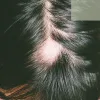
Postpartum hair loss (Postpartum Telogen Effluvium, PTE) is driven by:
- Sudden hormonal shifts
- Nutrient depletion
- Metabolic reset
- Increased stress
Together, these create a systemic “resting phase” for your follicles.
That means recovery is not just a scalp issue—it is a whole-body process.
If you want to see how internal care fits into your daily scalp steps, our
Postpartum Scalp Care guide
explains the external side of the equation, while this article focuses on the inside.
This guide breaks down:
- Why internal care is so crucial for postpartum shedding
- Which nutrients matter most
- How to support recovery safely during breastfeeding
- How lifestyle and supplements work together to speed regrowth
1. Why Internal Care Matters So Much in Postpartum Hair Loss
Hair follicles are among the most metabolically active tissues in the body.
For a follicle to move from the telogen (resting) phase back into anagen (growth), five internal conditions need to be in place:
- Adequate nutrient reserves (especially iron, zinc, vitamin D, protein)
- Gradually stabilizing hormones
- Healthy energy metabolism (no significant anemia or chronic low blood sugar)
- Manageable stress levels (cortisol not constantly elevated)
- Stable thyroid function (no uncontrolled postpartum thyroiditis)
If any of these are significantly off-balance, follicles tend to:
- Stay in the resting phase longer
- Shed more hair over time
- Produce fewer and finer new hairs
- Recover more slowly than others
📌 Topical care improves the environment.
📌 Internal care determines whether follicles can truly restart growth.
You need both.
You need both—this combination is exactly what we unpack further in our guide on topical care + internal nutrition.
2. The Six Core Nutrition Pillars for Postpartum Hair Recovery
Below is a practical framework for understanding the nutrients that matter most during recovery.
2.1 Iron & Ferritin – The No.1 Nutrient for Postpartum Recovery
Iron is one of the most important—and most overlooked—nutrients for postpartum hair regrowth.
Why is iron deficiency so common after birth?
- Blood loss during delivery
- Ongoing iron use for wound and uterine healing
- Increased demands during breastfeeding
- Pre-existing pregnancy-related anemia
For hair follicles, iron (and ferritin, your iron storage marker) is critical for:
- Delivering oxygen to the follicle
- Supporting protein and keratin synthesis
- Allowing follicles to transition back into the growth phase
When ferritin drops below about 30–40 ng/mL, you may notice:
- Very slow regrowth
- Prolonged shedding (12–18 months instead of 6–12)
- Oily, itchy scalp with stubborn dandruff
📌 Most hair specialists consider 40–70 ng/mL the “comfort zone” for hair growth.
If your shedding is severe or slow to improve, ferritin testing is worth discussing with your doctor.
Learn more about Iron & Ferritin and Postpartum Hair Loss.
2.2 Zinc – Regulating Oil, Inflammation, and Flaking
Zinc deficiency is extremely common postpartum, especially if you are breastfeeding.
Zinc helps:
- Regulate sebum production
- Reduce inflammation
- Support keratin structure
- Assist in barrier and wound repair
Signs that zinc may be low include:
- Sudden increase in dandruff
- Red, irritated scalp with stinging or burning
- Finer, weaker strands that break easily
- Recurrent seborrheic dermatitis flares
Zinc is a small nutrient with a big impact on scalp balance. Learn more here.
2.3 Vitamin D – The “Conductor” of Hair Cycle and Scalp Ecology
Around 70–80% of postpartum women have suboptimal vitamin D levels.
Vitamin D helps:
- Regulate the hair growth cycle
- Modulate sebum production
- Support immune balance on the scalp
- Reduce low-grade inflammation
Low vitamin D may show up as:
- Slow, stubborn recovery
- Oily but weak roots
- Flat, low-volume hair
📌 Many experts aim for 30–50 ng/mL as a reasonable postpartum target (always follow your doctor’s guidance). Find out more about Vitamin D and Hair Regrowth After Postpartum Hair Loss.
2.4 B-Complex Vitamins – Energy, Stress, and Hair Structure
B vitamins include B1, B2, B3 (niacin), B5, B6, B7 (biotin), B12, and folate.
They are essential for:
- Cellular energy metabolism
- Supporting red blood cell production
- Managing stress and cortisol levels
- Keratin quality and hair shaft strength
- Nervous system balance and sleep quality
In a phase where:
- Sleep is fragmented
- Stress is high
- Energy demands are intense
…the role of B vitamins becomes even more important. Find our more about B vitamins and postpartum hair loss.
2.5 High-Quality Protein – The Building Blocks of Keratin
Hair is composed of around 85–90% keratin, a structural protein.
If your protein intake is too low:
- Follicles lack raw materials for new hair
- Hair shafts become thinner and weaker
- Visual density drops even if follicles are intact
Great protein sources include:
- Eggs
- Fatty fish
- Lentils and beans
- Lean meat and poultry
- Greek yogurt
- Nuts and seeds
- Quinoa
- Tofu and tempeh
A practical guideline for many postpartum women is around 1.0–1.2 g of protein per kg of body weight per day, unless your doctor advises otherwise.
It is the building material of Keratin that shapes postpartum regrowth speed and hair quality. Learn more here.
2.6 Omega-3 – Anti-Inflammatory Support for Scalp and Follicles
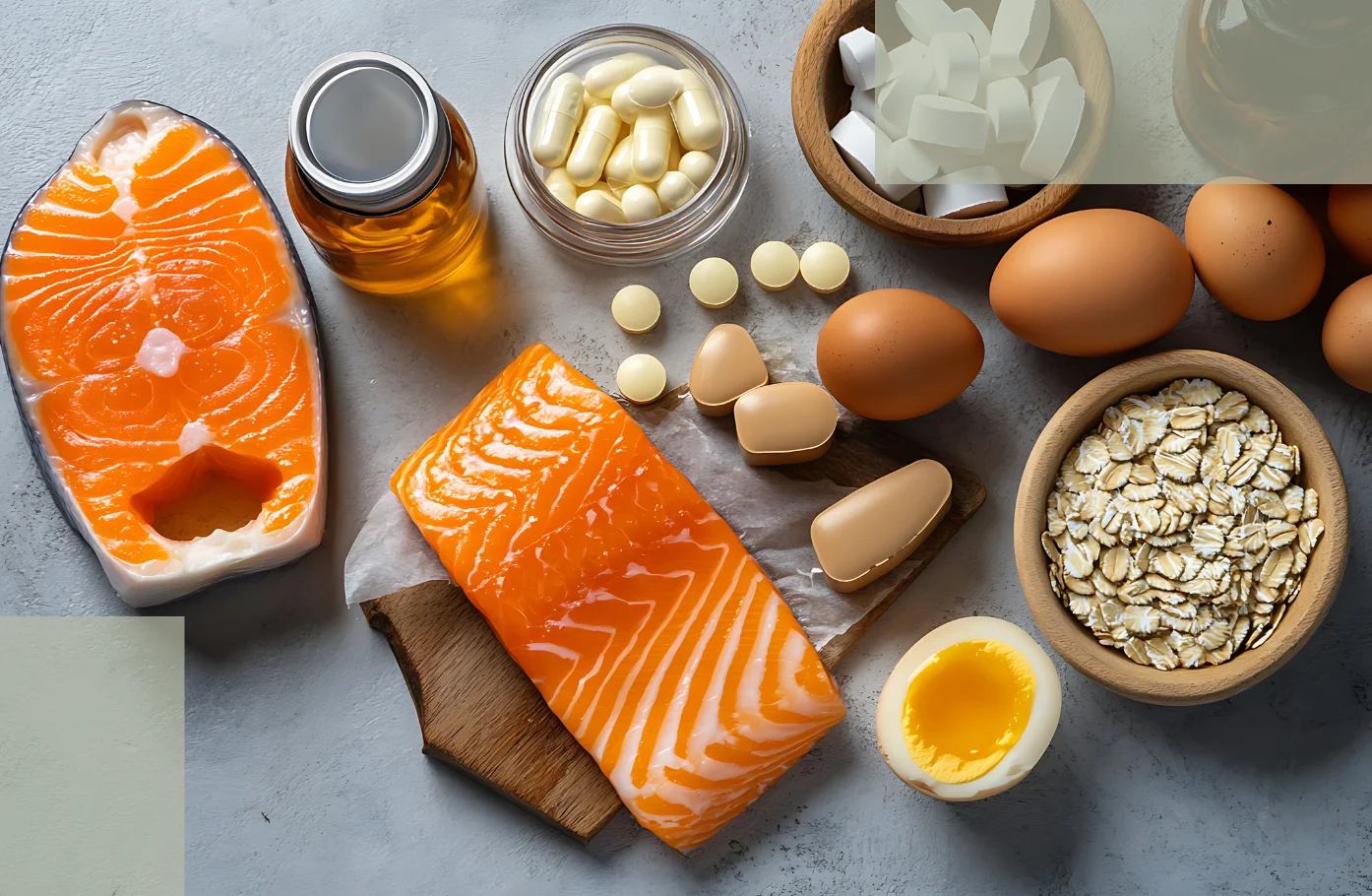
Omega-3 fatty acids are one of the most underestimated allies in postpartum hair recovery.
They help:
- Reduce scalp micro-inflammation
- Improve sebum balance
- Support shine and softness
- Stabilize immune responses
Helpful sources:
- Salmon and sardines
- Mackerel
- Chia seeds
- Flaxseeds
- Walnuts
By calming inflammation and supporting the barrier, omega-3s make it easier for follicles to transition back into growth mode.
Discover more about Omega 3 and postpartum hair loss.
3. Key Internal Mechanisms: Why Nutrients Change the Timeline
From a hair biology perspective, internal support matters because:
- Follicles in telogen still need energy and repair
They are not “dead”; they are waiting for the right conditions to restart.
- Nutrient deficits lengthen the shedding phase
A typical 3–6 month shedding phase can easily stretch to 9–18 months when iron, vitamin D, or zinc are low.
- Low red blood cell counts = low oxygen delivery
Less oxygen means follicles shift into a “power-saving mode,” delaying anagen (growth).
- Micronutrients like inositol and choline support hormonal balance
These are sometimes used under medical guidance to support metabolic and hormonal recovery.
Understanding why you are supporting these nutrients can make it easier to stay consistent.
4. Supplements During Breastfeeding – What Is Generally Considered Safe?
Always check with your doctor or midwife first, but in many postpartum cases, the following are commonly used:
May be appropriate (under professional guidance):
- Iron
- Zinc
- Vitamin D
- B-complex vitamins
- Omega-3 (especially DHA)
- Collagen
- Clean, simple protein powder
Generally avoided during breastfeeding:
- Topical or oral minoxidil (medication-grade)
- Oral hormonal hair growth drugs
- Very high-dose vitamin A
- Herbal or traditional supplements with unclear safety data
📌 Guiding principle:
“Gentle, evidence-based, and safe for both mother and baby.”
5. Lifestyle: The Hidden Accelerator of Nutrient Absorption
Nutrition is not only about what you take, but also about how well your body can use it.
Key lifestyle factors that support follicle recovery:
✔ Sleep (the most important “supplement”)
Better sleep = lower cortisol = a more favorable environment for growth.
Even small wins—like a 20–40 minute nap or an earlier wind-down—help.
✔ Hydration
Dehydration reduces microcirculation.
Aim for around 1.5–2 L of water per day, unless your healthcare provider advises otherwise.
✔ Stable Blood Sugar
Large blood sugar swings can:
- Aggravate oil imbalance
- Promote inflammation
- Disrupt energy supply to follicles
Gentle, balanced meals with fiber, protein, and healthy fats are helpful.
✔ Consistent Energy Intake
Skipping meals or under-eating to “lose baby weight fast” often backfires on hair health.
Follicles are not the priority organ—if energy is low, they are the first to be “sacrificed.”
✔ Stress Management
Simple tools like:
- Deep breathing
- Gentle walks
- Short meditations
- Light stretching
…can help reset your nervous system and indirectly support hair recovery.
6. Practical Supplement Stacks (For Mothers to Understand the Basics)
This is educational, not medical advice. Always personalize with your doctor.
Foundational Support (suits most postpartum women)
- Iron (based on blood tests) + vitamin C for absorption
- Vitamin D
- Zinc
- B-complex
- Omega-3
- Adequate daily protein (food or quality protein powder)
Enhanced Support (for severe or slow-to-improve shedding)
- Iron (with confirmed deficiency)
- Vitamin D
- B-complex
- Omega-3
- Possibly inositol or similar compounds under medical guidance to support hormonal balance
Again: testing + professional guidance first is always the safest path.
7. Internal + External Care = The Fastest Path to Recovery
Think of your routine as two coordinated systems:
External care (shampoo, scalp care, masks, gentle oils)
Supports:
- Scalp barrier
- Microcirculation
- Inflammation control
- Hair shaft strength
- Reduced breakage
For a structured view of what to focus on externally, see the six core dimensions of scalp care for postpartum recovery and why a scalp routine matters so much for postpartum hair loss.
Internal care (nutrition, supplements, lifestyle)
Determines:
- Whether follicles can start growing again
- How fast new hair appears
- How strong and thick that new hair becomes
When both are aligned, many women notice:
- Around 3 months: More baby hairs along the hairline
- Around 6 months: Noticeable improvement in density and volume
- Around 9–12 months: Closer to pre-pregnancy fullness (or a new, more stable baseline)
Final Thought
Postpartum hair loss is not a sign that your body is failing you.
It is a sign that your body has gone through something immense—and now needs time, nutrients, and support to rebuild.
Topical care calms and protects the surface.
Internal care quietly fuels the deep, invisible work your follicles are doing every day.
Both count.
Both matter.
And together, they give your hair the best chance to come back strong.
We explain the complete mechanism—from hormone fluctuations to follicle recovery—inside our Postpartum Hair Loss education page.
Postpartum scalps often tolerate simplified formulas better; the Evavitae Root Fortifying Hair Essence was created with that in mind.