• Home
  • Hair Loss
    • Postpartum
      • Mechanisms
      • Causes & Risks
      • Recovery
      • Scalp Care & Routine
      • Mind & Myths
    • Stress Hair Loss
      • Mechanisms
      • Causes & Risk
      • Recovery Journey
      • Scalp Care & Routine
      • Mind & Myths
    • Hormonal Hair Loss
      • Mechanisms
      • Causes & Risk Factors
      • Recovery Journey
      • Scalp Care & Routine
      • Mind & Myths
    • Nutritional Deficiency Hair Loss
      • Mechanisms
      • Causes & Risk Factors
      • Recovery Journey
      • Scalp Care & Routine
      • Mind & Myths
  • Shop
    • Shop
    • My account
    • Wishlist
    • Track Order
  • Blog
  • Our Story
    • Our Story
    • Dermatest
    • Partner Manufacturer
    • ESG Commitment
    • Evavitae Hair Care Ingredients
  • Contacts
0 0
0 My compare

View Compare

0 0
0 My Wishlist

View Wishlist Add all to cart

My Cart $0.00 0
0 Shopping Cart

No products in the cart.

Return To Shop
Shopping cart (0)
Subtotal: $0.00

View cartCheckout

Spend $40.00 to get free shipping Congratulations! You've got free shipping.

Nutritional Deficiency Hair Loss: Causes & Risk Factors

Why nutritional deficiency hair loss begins — and why it becomes persistent for some people

Nutritional deficiency hair loss rarely comes from a single missing nutrient or short-term dietary slip.
It develops through a combination of insufficient supply, impaired utilization, and system-level amplifiers that affect how hair follicles prioritize growth over time.

This page separates two often-confused concepts:

  • Causes — what initially disrupts nutrient availability to the hair follicle

  • Risk factors — what makes shedding more likely to persist, recur, or slow recovery

Understanding this distinction is critical.
Many people don’t struggle to recover because they “did nothing,” but because ongoing risk factors were never addressed, even after the original nutritional trigger had passed.

Nutritional Deficiency Hub: Overview Mechanisms Causes & Risks Scalp Care & Routine Recovery Journey Mind & Myths

Why Nutrient-Deficiency Hair Loss Is Not Just About Eating Poorly

Hair loss isn’t simply a diet problem — it’s about how your body processes, allocates, and uses nutrients

Many people assume that nutrient-related hair loss happens only because of “bad eating.” In reality, it’s a complex interplay between diet quality, absorption, energy availability, metabolism, and internal signaling — all of which determine whether nutrients actually reach hair follicles.

This article explains:

  • Why eating “healthy food” alone doesn’t guarantee that follicles get what they need

  • How digestion, absorption, inflammation, and energy status interact with nutrient supply

  • Why focusing only on food choices misses the bigger picture of hair-growth biology

👉 Read:
Nutrient-Deficiency Hair Loss: Why It’s Not Just About “Eating Poorly”
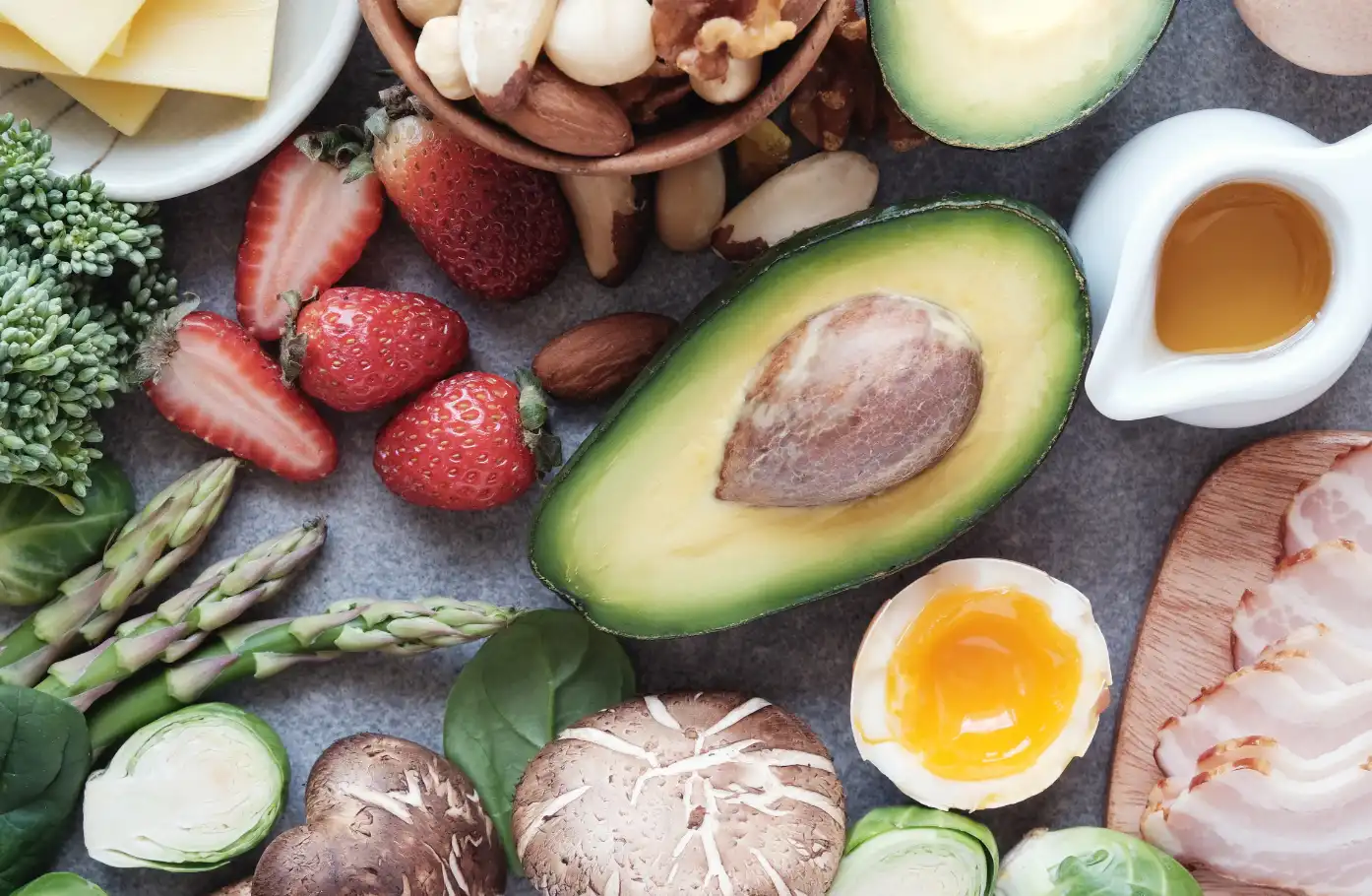
Dieting, Low-Carb, and Extreme Eating_ Why Hair Loss Often Appears “Late”

Why Hair Loss Often Shows Up After Diets

Hair shedding doesn’t usually happen during dieting — it often appears later, because your body first shifts into energy‑saving mode and only later shows the effects in the hair cycle.

This article explains:

  • Why low‑calorie, low‑carb, or extreme diets can delay noticeable hair loss

  • How the body’s energy prioritization affects hair growth timing

  • Why shedding shows up weeks to months after dietary change

👉 Read:
Dieting, Low-Carb, and Extreme Eating: Why Hair Loss Often Appears “Late”

👉 Read:
Picky Eating & Protein Deficiency: The Most Common Yet Easily Overlooked Cause of Hair Loss

👉 Read:
Long-Term Avoidance of Red Meat Animal-Based Foods How to Rationally Assess Iron and B12 Risks

👉 Read:
Why Do Nutrient Demands Suddenly Increase During Postpartum, Puberty, and Preconception / Breastfeeding?


Why Iron & Zinc Supplements Often Don't Seem to Work

Low stomach acid and poor gut absorption can block nutrient uptake

Even if you take iron or zinc, your body may not absorb them well when stomach acid and gut function are compromised, so hair improvement can lag or feel stalled.

This article explains:

  • How low stomach acid reduces nutrient absorption

  • Why iron and zinc supplements may not reach follicles effectively

  • What gut‑related issues can undermine supplementation

👉 Read:
Low Stomach Acid and Poor Gut Absorption:Why Iron and Zinc Supplements Often “Don’t Seem to Work”

👉 Read:
Chronic Gut Inflammation, IBS, and Lactose Intolerance:Their Relationship With Nutrient Deficiency–Related Hair Loss —Not a “Diseased Gut,” but the Chain Effects of Long-Term Instability

👉 Read:
Long-Term Use of Acid-Suppressing Medications and Certain Drugs:Which Nutrients Might Be Affected?

Low Stomach Acid and Poor Gut AbsorptionWhy Iron and Zinc Supplements Often “Don’t Seem to Work”
High Stress + Sleep DeprivationWhy These Conditions Amplify Nutrient Gaps Into Hair Loss

Why Stress & Sleep Loss Make Nutrient Gaps Cause Hair Loss

High stress and poor sleep worsen how nutrient shortages affect hair growth — even if intake seems adequate.

This article explains:

  • How stress amplifies nutrient‑related hair shedding

  • Why sleep deprivation makes follicles more vulnerable

  • Why improving stress and sleep helps hair recovery

👉 Read:
High Stress + Sleep Deprivation:Why These Conditions Amplify Nutrient Gaps Into Hair Loss

👉 Read:
High Training Volume / Intense Exercise:Low Energy Availability and Hair Loss

👉 Read:
Chronic Blood Loss (Heavy Menstrual Flow) and Iron Deficiency

The 8 Types of People Most Likely to Get Nutrient‑Related Hair Loss

Hair loss risk isn’t equal — some people are more vulnerable to nutrient gaps that affect hair.

This article outlines:

  • Who tends to experience nutrient‑deficiency hair loss more often

  • Why certain lifestyles, conditions, or diets increase that risk

  • How recognizing your risk type helps you prevent or address shedding early

👉 Read:
High-Risk Groups for Nutrient Deficiency–Related Hair Loss:The 8 Types of People Most Likely to Be Affected

High-Risk Groups for Nutrient Deficiency–Related Hair LossThe 8 Types of People Most Likely to Be Affected
Long-Term Dieting and Fat Loss Why It Is the Most Common “Invisible Starting Point” of Nutrient-Deficiency Hair Loss

Why Long‑Term Dieting & Fat Loss Are Common Hidden Triggers of Nutrient‑Related Hair Loss

Hair loss often starts not from obvious deficiency, but from ongoing low energy and metabolic stress

Long‑term dieting or sustained fat loss can silently shift your body into energy conservation mode, making it harder for hair follicles to get the nutrients and energy they need — even if lab values seem “normal.”

This article explains:

  • How prolonged dieting signals the body to deprioritize hair growth

  • Why fat loss — even without extreme dieting — can trigger shedding

  • How invisible metabolic stress lies at the root of many nutrient‑related hair loss cases

👉 Read:
Long-Term Dieting and Fat Loss Why It Is the Most Common “Invisible Starting Point” of Nutrient-Deficiency Hair Loss

Why Low Protein Intake Is a Common Yet Overlooked Cause of Nutrient‑Related Hair Loss

Protein isn’t just another nutrient — it’s the fundamental building block of hair. When your diet doesn’t supply enough protein, your body prioritizes vital functions over hair production, making it a frequent but underrecognized trigger of hair shedding.

This article explains:

  • Why insufficient protein intake directly limits keratin production

  • How the body reallocates amino acids away from hair when protein is scarce

  • Why low protein often goes unnoticed as a root cause of hair loss

👉 Read:
Low Protein IntakeWhy It Is the Most Common — Yet Most Overlooked — Cause of Nutrient Deficiency–Related Hair Loss

Low Protein IntakeWhy It Is the Most Common — Yet Most Overlooked — Cause of Nutrient Deficiency–Related Hair Loss

Why Iron Gaps Often Show Up in Hair First for Women

Heavy periods or past anemia can make iron‑related hair loss more visible

When women experience heavy menstrual bleeding or a history of anemia, their iron stores — especially ferritin — are more likely to dip below what hair follicles need. Hair growth suffers early because follicles are sensitive to even modest iron shortfalls.

This article explains:

  • Why iron gaps show up in hair before other symptoms

  • How heavy menstrual bleeding or past anemia increases follicle vulnerability

  • Why normal hemoglobin doesn’t always mean enough iron for hair

👉 Read:
Heavy Menstrual Bleeding or a History of Anemia:Why Iron Gaps in Women Often Show Up in Hair First

Long-term avoidance of red meat or animal foods can affect iron and vitamin B12 availability. Learn why these gaps often show up in hair first.

Why Long‑Term Avoidance of Red Meat or Animal Foods Increases Iron & B12 Risks

Not eating red meat or animal‑based foods long term can silently raise the risk of iron and vitamin B12 shortfalls, even when the rest of your diet feels healthy. These nutrients are key for cell division, hair‑growth cycles, and metabolic support — and their limited availability often shows up in hair health first.

This article explains:

  • Why iron from red meat is easier for the body to use than plant‑based iron

  • How vitamin B12 stores deplete slowly and deficiency can be overlooked

  • Why these nutrient gaps often affect hair before other systems show obvious signs

👉 Read:
Long-Term Avoidance of Red Meat or Animal-Based Foods: Why Iron and Vitamin B12 Risks Are Often Underestimated

Why Hair Can Recover Slowly Even With Lots of Supplements

Poor gut absorption can block the benefits at the source

Many people take multiple supplements yet still see slow hair recovery — not because the nutrients aren’t helpful, but because digestive and absorption issues prevent nutrients from actually reaching the bloodstream and hair follicles.

This article explains:

  • How impaired gut function limits nutrient uptake

  • Why supplements alone may not improve hair if absorption is poor

  • What underlying digestive factors can slow visible progress

👉 Read:
Poor Gut Absorption:Why You’ve “Supplemented a Lot,” Yet Your Hair Recovers So Slowly

Poor Gut AbsorptionWhy You’ve “Supplemented a Lot,” Yet Your Hair Recovers So Slowly
High Stress + Sleep DeprivationWhy This Combination Is More Likely to Turn Small Nutrient Gaps Into Hair Loss

Why Stress + Sleep Deprivation Turn Small Nutrient Gaps Into Hair Loss

Stress and poor sleep don’t just feel bad — they amplify how nutrient shortfalls affect hair growth.

When your body is under chronic stress and not resting well, even minor gaps in vitamins/minerals can trigger shedding because follicles become more sensitive and less resilient.

This article explains:

  • How stress hormones and lack of sleep worsen nutrient‑related hair weakness

  • Why small deficiencies matter more when the body is stressed

  • How improving stress and sleep makes nutrients more effective for hair

👉 Read:
High Stress + Sleep Deprivation:Why This Combination Is More Likely to Turn Small Nutrient Gaps Into Hair Loss

Why Many Women Shed Hair After Postpartum & While Breastfeeding

Eating well isn’t always enough — nutrient demand and allocation change dramatically

After childbirth and during breastfeeding, the body’s priorities shift to support recovery and milk production. Even with a nutrient‑rich diet, hair follicles can remain under‑nourished because nutrients are diverted to more critical needs.

This article explains:

  • How postpartum and breastfeeding demands change nutrient distribution

  • Why hair shedding can persist even when diet seems adequate

  • What makes follicles especially sensitive during this period

👉 Read:
Postpartum / Breastfeeding:Why Many Women “Eat Well” but Still Experience Persistent Hair Shedding

Postpartum BreastfeedingWhy Many Women “Eat Well” but Still Experience Persistent Hair Shedding
Oily Scalp or Recurrent Inflammation:Why Hormonal Hair Loss Is More Likely to Target You

Why Hair Often Suffers During Adolescence & Rapid Growth

Periods of fast body growth demand more nutrients and energy — and hair can suffer first when those needs outpace supply.

During adolescence or other rapid growth phases, the body prioritizes essential systems (like bones and organs), which can leave hair follicles under‑resourced even if overall diet seems “normal.”

This article explains:

  • How rapid growth increases nutrient and energy demands

  • Why hair is sensitive to shifts in priority during development

  • What makes young bodies more prone to shedding despite adequate intake

👉 Read:
Adolescence & Rapid GrowthWhy Hair Often Suffers During Periods of “Body Growth”

Return to Pillar Page

For a complete overview of symptoms, causes, recovery strategies, and daily care,

visit our Nutritional Deficiency Hair Loss Pillar Page.

Stay up to date

Subscribe for hair loss insights, expert care tips, exclusive offers, and product updates.

    * We will never share your email address & you can opt out at any time, we promise.

    • About Us

      • Our Story

      • ESG Commitment

      • Ingredients

      • Commitment To Quality

    • Categories

      • Anti-Hair Loss Shampoo

      • Hair Growth Oil

      • Hair Strengthen Mask

    • Evaviae Hub

      • Blog

      • Postpartum Hair Loss

      • Inside Evavitae

      • FAQ’s

    • Support

      • Look Up Order

      • Return & Refund

      • Terms & Conditions

      • Privacy Policy

    • Contact Us

      • Contact

      • Career with us

      • Become a Partner

    Instagram Linkedin Tik-tok Youtube

    Copyright © 2025 Evavitae