• Home
  • Hair Loss
    • Postpartum
      • Mechanisms
      • Causes & Risks
      • Recovery
      • Scalp Care & Routine
      • Mind & Myths
    • Stress Hair Loss
      • Mechanisms
      • Causes & Risk
      • Recovery Journey
      • Scalp Care & Routine
      • Mind & Myths
    • Hormonal Hair Loss
      • Mechanisms
      • Causes & Risk Factors
      • Recovery Journey
      • Scalp Care & Routine
      • Mind & Myths
    • Nutritional Deficiency Hair Loss
      • Mechanisms
      • Causes & Risk Factors
      • Recovery Journey
      • Scalp Care & Routine
      • Mind & Myths
  • Shop
    • Shop
    • My account
    • Wishlist
    • Track Order
  • Blog
  • Our Story
    • Our Story
    • Dermatest
    • Partner Manufacturer
    • ESG Commitment
    • Evavitae Hair Care Ingredients
  • Contacts
0 0
0 My compare

View Compare

0 0
0 My Wishlist

View Wishlist Add all to cart

My Cart $0.00 0
0 Shopping Cart

No products in the cart.

Return To Shop
Shopping cart (0)
Subtotal: $0.00

View cartCheckout

Spend $40.00 to get free shipping Congratulations! You've got free shipping.

Nutritional Deficiency Hair Loss Mechanisms

How nutritional signals reshape the hair cycle — and why recovery depends on supply, sensitivity, and system stability

Nutritional deficiency hair loss is often misunderstood as a single problem caused by “not getting enough of one nutrient.”
In reality, it is a multi-mechanism process driven by how hair follicles sense, prioritize, and respond to nutrient availability over time.

This hub walks you through the complete mechanism map, step by step — from defining nutritional deficiency hair loss and recognizing its patterns, to understanding the core biological pathways that quietly shift the hair growth cycle and delay regrowth.

Nutritional Deficiency Hub: Overview Mechanisms Causes & Risks Scalp Care & Routine Recovery Journey Mind & Myths
What Is Nutrient Deficiency–Related Hair Loss

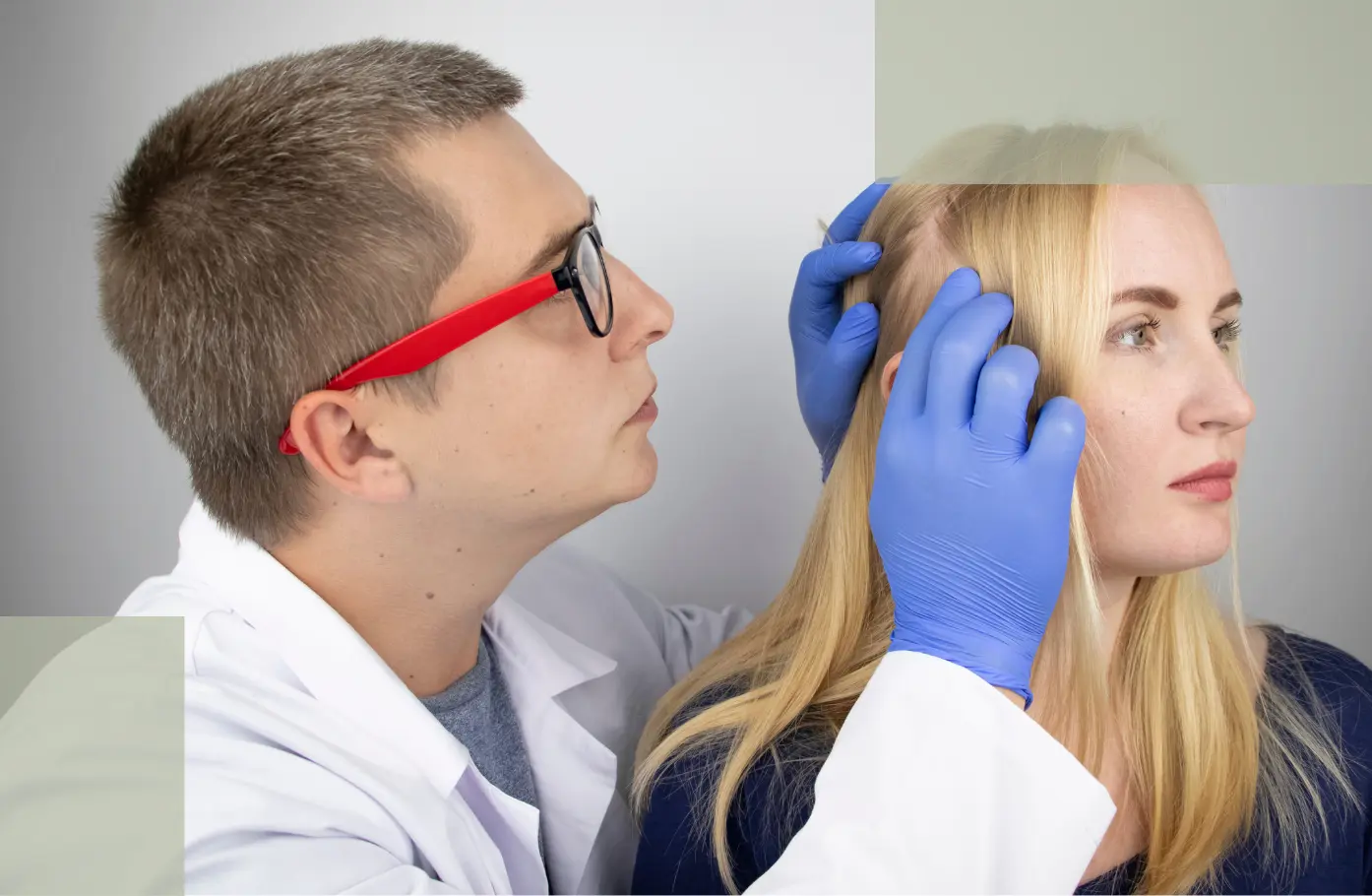
What You Need to Know About Nutritional Deficiency Hair Loss

Nutritional deficiency–related hair loss does not start with a single “missing nutrient.”
It begins when the body enters a low-supply state, causing hair follicles to receive less energy, fewer building blocks, and weaker biological signals for growth — even when lab results appear “normal.”

This foundational guide explains:

  • Why hair thinning can persist even when you’re taking supplements or eating “better”

  • How nutrient deficiency affects hair through four core biological pathways, not just vitamin levels

  • Where most people misunderstand the true starting point of nutrient-related shedding
👉 Read:
What Is Nutrient Deficiency–Related Hair Loss?

Why Dieting or Eating Less Often Cuts Off Hair Growth First

Hair loss can be a signal of energy restriction, not a cosmetic problem

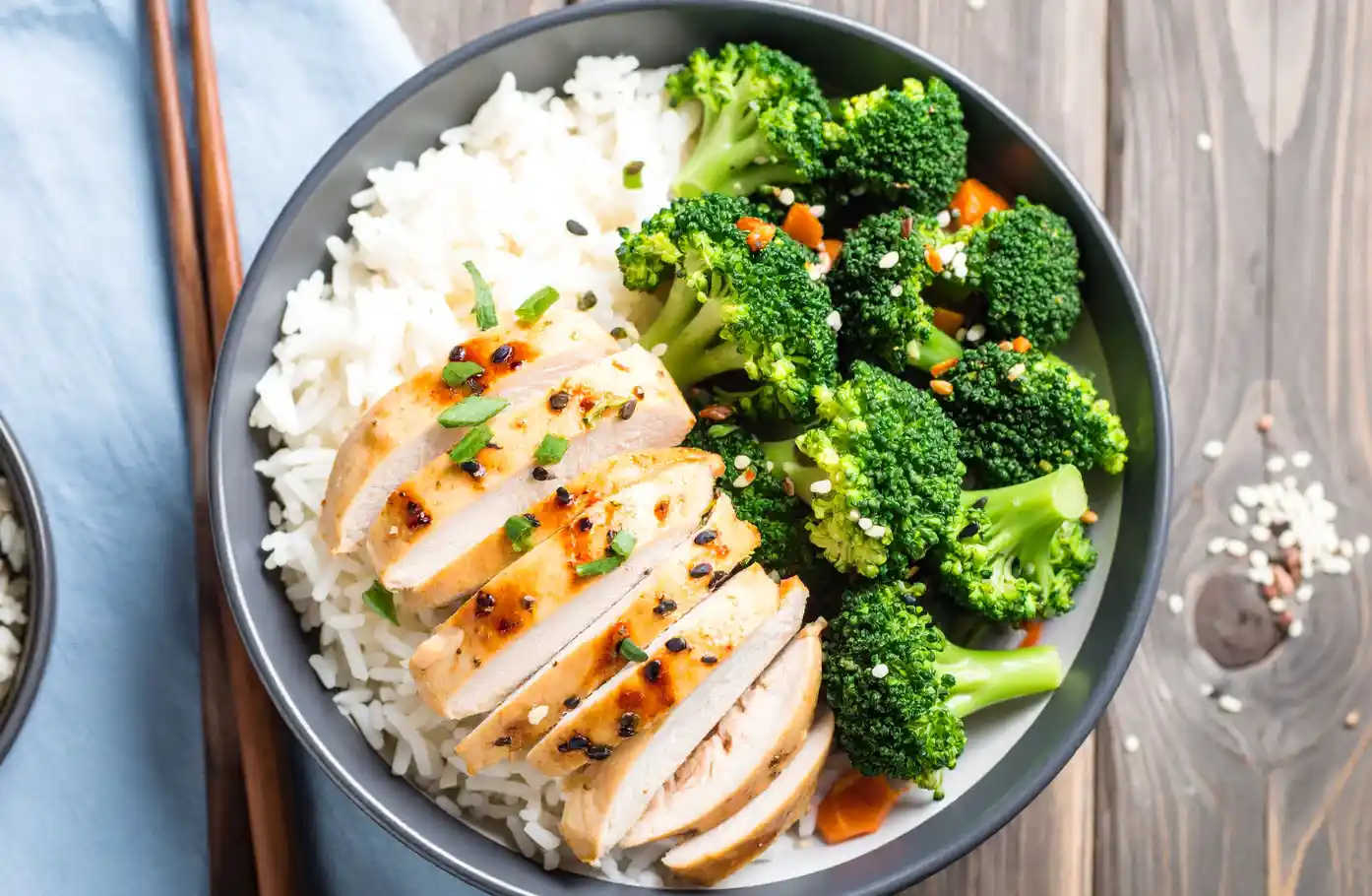
When your body perceives that available energy is limited — even if you’re not on a dramatic diet — it prioritizes essential functions (like heart and brain activity) over “optional” ones like hair growth. Hair follicles are high‑energy consumers, so they often stop growing before other body systems show signs of stress.

This short summary explains:

  • Why hair follicles are among the first systems affected when energy availability drops

  • How the body enters a conservation mode and slows hair growth even without noticeable weight loss

  • Why external hair treatments often don’t work until overall energy stability improves

👉 Read:
Mechanism 1: Why Dieting or Eating Less Often Cuts Off Hair Growth First

👉 Read:

Hair Loss Isn’t Because You Wash Your Hair Wrong — Your Body Is Quietly Telling You: “Energy Levels Are Low”


Mechanism 1 Why Dieting or Eating Less Often Cuts Off Hair Growth First
Mechanism 2 How Protein Deficiency Directly Slows New Hair Growth — Keratin Doesn’t Come From Thin Air

How Protein Deficiency Directly Slows New Hair Growth

Protein shortages affect hair at the source of its structure

Your hair isn’t just “made of protein” in a vague sense — it specifically relies on amino acids from dietary protein to build keratin and sustain new growth. When protein intake is insufficient, the body prioritizes vital organs first, leaving hair synthesis under‑supported even if other nutrients are adequate.

This guide explains:

  • Why keratin — the main structural protein of hair — can’t be produced optimally without enough dietary protein

  • How the body reallocates amino acids away from hair when protein availability drops

  • What makes protein shortage a direct bottleneck for new hair growth

👉 Read:
Mechanism 2: How Protein Deficiency Directly Slows New Hair Growth — Keratin Doesn’t Come From Thin Air

👉 Read:
Why Your Hair Remains Fine and Weak Even When You’re Taking Supplements

Why Hair Keeps Falling Despite Normal Hemoglobin

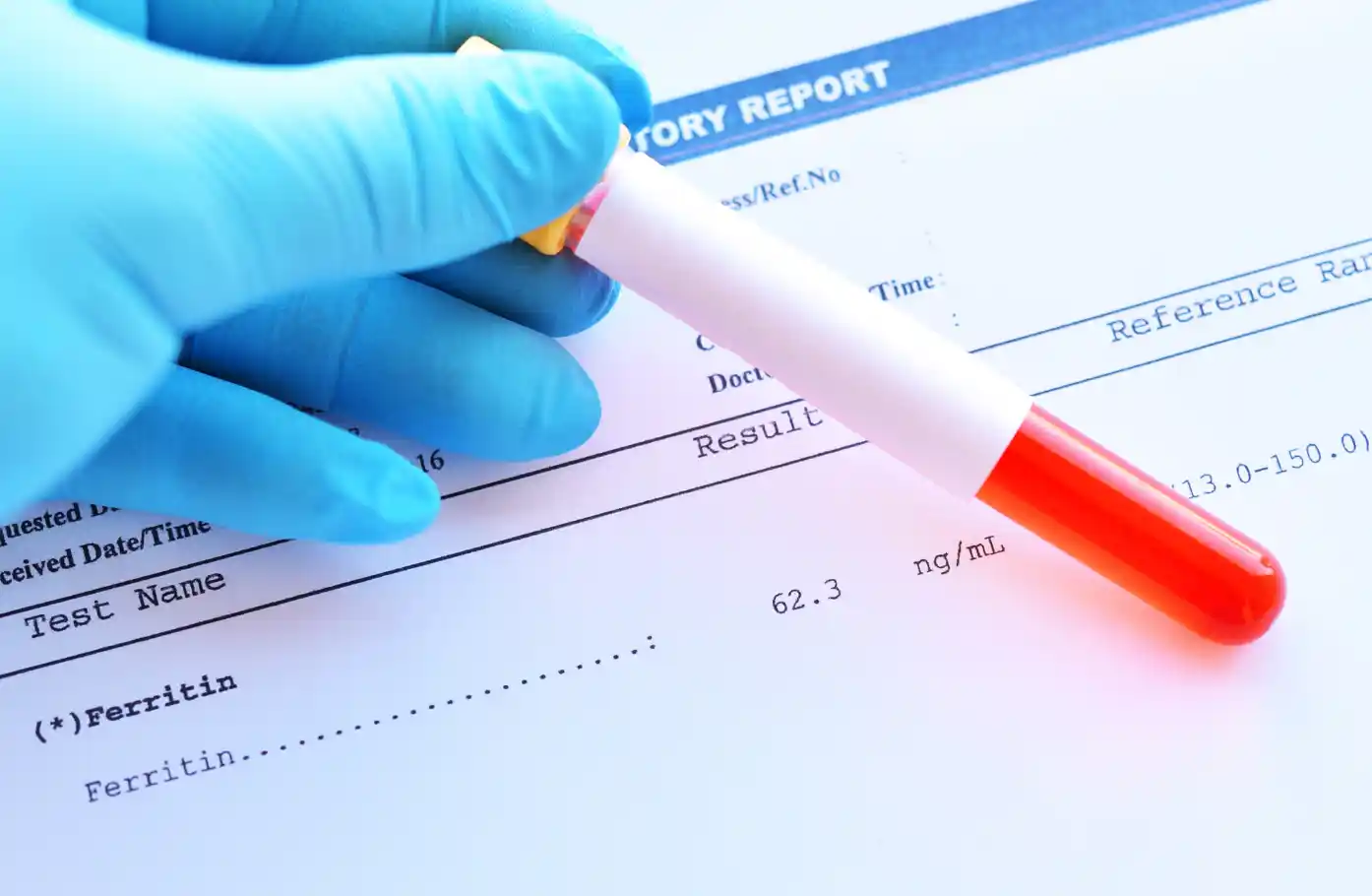
Ferritin tells a different story than standard labs

Even when hemoglobin looks “normal,” hair follicles can suffer from low iron stores — meaning they lack the energy and materials needed to activate robust growth. This mismatch often keeps shedding going despite iron supplements, because raising ferritin and restoring follicle function takes time and systemic support.

This guide explains:

  • Why normal hemoglobin doesn’t guarantee iron sufficiency for hair follicles

  • How low ferritin directly suppresses growth activation in the follicle

  • Why iron supplementation alone may not immediately stop shedding

👉 Read:

Mechanism 3 Why Low Ferritin Keeps Your Hair Falling — Hair Follicles Lose “Growth Permission”

👉 Read:
Ferritin and Hair Loss: Why Normal Hemoglobin Doesn’t Mean You’re Iron Sufficient

Ferritin and Hair Loss Why Normal Hemoglobin Doesn’t Mean You’re Iron-Sufficient
Mechanism 4 Why Zinc Deficiency Often Comes with Oil Imbalance, Inflammation, and Unstable Scalp

Why Zinc Deficiency Often Comes With Oil Imbalance, Inflammation, and an Unstable Scalp

Zinc’s role in hair health goes beyond “just another nutrient”

Zinc isn’t only a building block — it’s a key regulator of inflammation, oil balance, and scalp resilience. When zinc is low, the scalp environment itself becomes unstable, which can slow growth and worsen shedding even if other nutrients are adequate.

This guide explains:

  • How zinc deficiency contributes to scalp oil imbalance and irritation

  • Why inflammation and follicle stress can linger when zinc is insufficient

  • How an unstable scalp environment interferes with healthy hair cycling

👉 Read:
Mechanism 4: Why Zinc Deficiency Often Comes With Oil Imbalance, Inflammation, and Unstable Scalp

👉 Read:
Trace Elements Like Selenium and Copper — Why They Are Not Optional

How Low Vitamin D Affects Hair Follicle Cycles and Scalp Immune Stability

Vitamin D’s influence on hair goes deeper than calcium regulation

Low vitamin D doesn’t just affect bone health — it plays a critical role in hair follicle cycling and immune balance in the scalp. When vitamin D is inadequate, follicles can struggle to progress through normal growth phases, and the scalp’s defense system becomes less stable, slowing visible hair improvement.

This guide explains:

  • How vitamin D supports healthy hair cycle transitions

  • Why insufficient vitamin D can disrupt immune balance in the scalp

  • How these effects combine to slow growth and prolong shedding

👉 Read:
Mechanism 5: How Low Vitamin D Affects Hair Follicle Cycles and Scalp Immune Stability

👉 Read:
How B‑Vitamin Deficiency Slows Hair Growth Under Stress and Poor Sleep

Mechanism 5 How Low Vitamin D Affects Hair Follicle Cycles and Scalp Immune Stability
The Fourth Mechanism of Stress Hair Loss Why Reduced Microcirculation Leaves the Scalp “Under-Supplied”

Why More Supplements Can Make Hair Loss Feel Worse

Absorption and chronic inflammation — not lack of effort

Taking more vitamins and minerals doesn’t always improve hair — sometimes it feels worse — because the real limiting factors are nutrient absorption and underlying inflammation, not just the amount you take.

This article explains:

  • Why heavy supplementation can backfire when your body can’t absorb key nutrients

  • How chronic inflammation interferes with both nutrient use and hair‑growth signals

  • Why addressing gut health and inflammation often matters more than piling on pills

👉 Read:
Mechanism 6: Why the More You Supplement, the Worse It Feels — Absorption and Chronic Inflammation Are the Real Issues

Return to Pillar Page

For a complete overview of symptoms, causes, recovery strategies, and daily care,

visit our Nutritional Deficiency Hair Loss Pillar Page.

Stay up to date

Subscribe for hair loss insights, expert care tips, exclusive offers, and product updates.

    * We will never share your email address & you can opt out at any time, we promise.

    • About Us

      • Our Story

      • ESG Commitment

      • Ingredients

      • Commitment To Quality

    • Categories

      • Anti-Hair Loss Shampoo

      • Hair Growth Oil

      • Hair Strengthen Mask

    • Evaviae Hub

      • Blog

      • Postpartum Hair Loss

      • Inside Evavitae

      • FAQ’s

    • Support

      • Look Up Order

      • Return & Refund

      • Terms & Conditions

      • Privacy Policy

    • Contact Us

      • Contact

      • Career with us

      • Become a Partner

    Instagram Linkedin Tik-tok Youtube

    Copyright © 2025 Evavitae