• Home
  • Hair Loss
    • Postpartum
      • Mechanisms
      • Causes & Risks
      • Recovery
      • Scalp Care & Routine
      • Mind & Myths
    • Stress Hair Loss
      • Mechanisms
      • Causes & Risk
      • Recovery Journey
      • Scalp Care & Routine
      • Mind & Myths
    • Hormonal Hair Loss
      • Mechanisms
      • Causes & Risk Factors
      • Recovery Journey
      • Scalp Care & Routine
      • Mind & Myths
    • Nutritional Deficiency Hair Loss
      • Mechanisms
      • Causes & Risk Factors
      • Recovery Journey
      • Scalp Care & Routine
      • Mind & Myths
  • Shop
    • Shop
    • My account
    • Wishlist
    • Track Order
  • Blog
  • Our Story
    • Our Story
    • Dermatest
    • Partner Manufacturer
    • ESG Commitment
    • Evavitae Hair Care Ingredients
  • Contacts
0 0
0 My compare

View Compare

0 0
0 My Wishlist

View Wishlist Add all to cart

My Cart $0.00 0
0 Shopping Cart

No products in the cart.

Return To Shop
Shopping cart (0)
Subtotal: $0.00

View cartCheckout

Spend $40.00 to get free shipping Congratulations! You've got free shipping.

Nutritional Deficiency Hair Loss: Scalp Care & Routine

Why recovery depends on a sustainable system — not aggressive stimulation

In nutritional deficiency hair loss, scalp care is not just an accessory.
It is one of the few daily variables that directly influences whether follicles receive consistent nutrient support and a stable growth environment.

Many people delay recovery not because they did nothing, but because their routine:

  • Applied intensive treatments or supplements before the system was ready

  • Focused on “accelerating growth” before follicles were metabolically supported

  • Changed too frequently to allow stable, long-term recovery signals to take effect

This hub explains how to care for nutrient-related hair loss in a way the follicles and scalp can actually tolerate —
and why gentle, consistent routines outperform aggressive approaches over time.

Nutritional Deficiency Hub: Overview Mechanisms Causes & Risks Scalp Care & Routine Recovery Journey Mind & Myths

Overview

Caring for Nutrient‑Deficiency Hair Loss
Healthy hair starts from the inside. Nutrient‑related hair loss isn’t just about supplements — it’s about giving your body what it needs and helping hair follicles use it effectively.

This guide covers:

  • Key habits that support deeper recovery

  • How diet, stress, and overall wellness work together for hair health

  • Why a holistic approach beats quick fixes

👉 Read:
How to Care for Nutrient Deficiency–Related Hair Loss

Daily Scalp Routine

Why daily care matters more than occasional treatment

Why Scalp Routine Still Matters in Nutrient-Deficiency-Related Hair Loss

Hair health isn’t only about nutrition — the scalp environment itself affects growth

Even when nutrient support is improving hair from the inside, a balanced scalp routine helps create the local conditions where follicles can thrive. Poor scalp care can perpetuate irritation, oil imbalance, or inflammation that slows visible results.

This article explains:

  • Why scalp care still matters even if nutrients are improving

  • How a healthy scalp environment supports stronger, more consistent growth

  • What routine elements help calm, balance, and protect your scalp

👉 Read:

Why Scalp Routine Still Matters in Nutrient Deficiency–Related Hair Loss

Why Scalp Routine Still Matters in Nutrient Deficiency–Related Hair Loss
The Six-Dimension FrameworkCleansing Frequency Massage Mechanical Damage Heat Management Scalp Environment

The Six-Dimension Framework for Scalp & Hair Care

Optimal hair support goes beyond just products — it’s about balanced routines across key dimensions

Healthy hair growth is influenced by how you care for your scalp and styling habits. This framework breaks down six practical areas that together help protect follicles and strengthen growth.

This article explains:

  • How cleansing frequency affects scalp balance

  • Why scalp massage supports circulation and follicle responsiveness

  • How to manage mechanical damage, heat, and the overall scalp environment

👉 Read:

The Six-Dimension FrameworkCleansing Frequency Massage Mechanical Damage Heat Management Scalp Environment

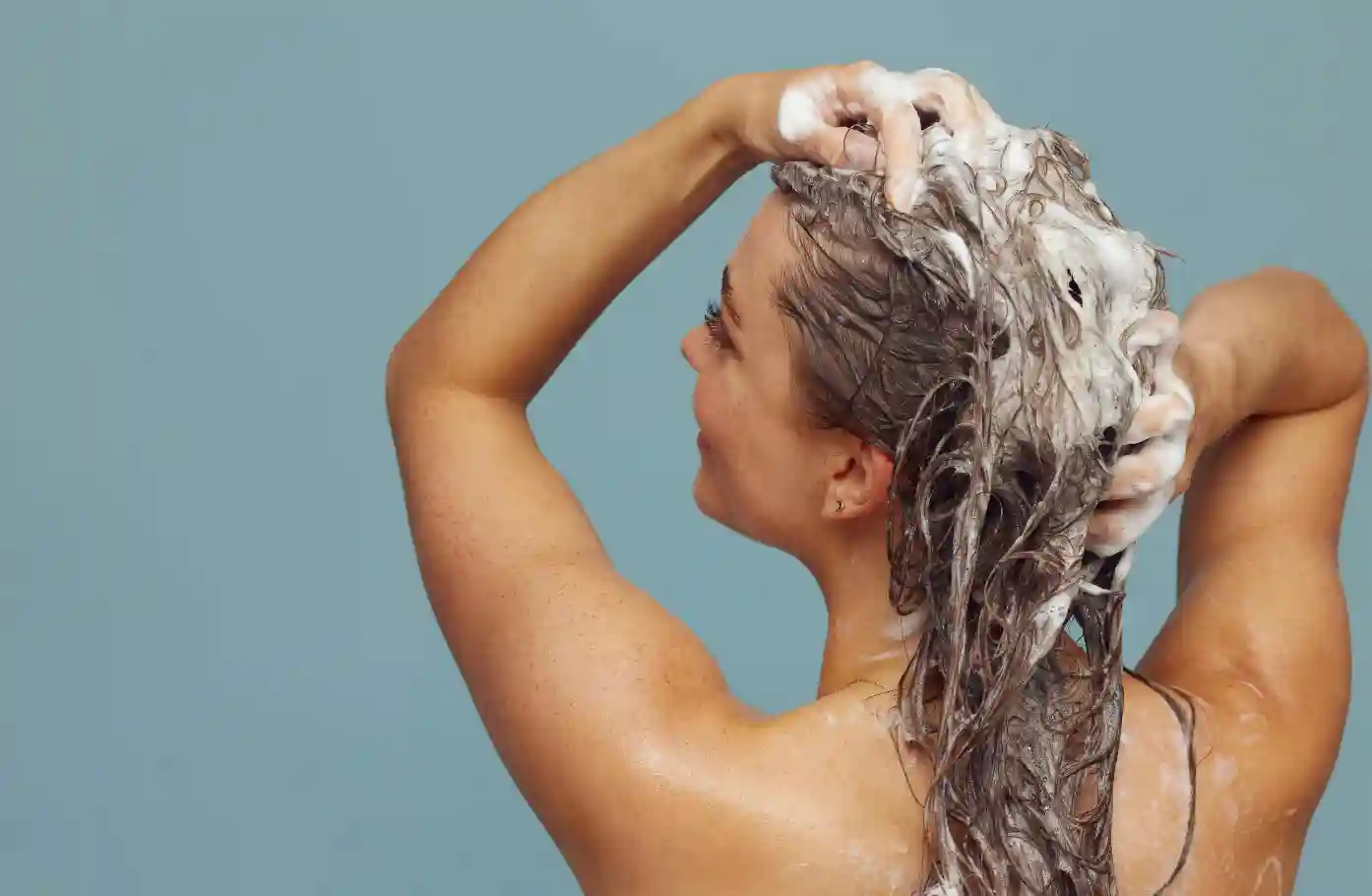
Why Gentle Cleansing Matters for Fragile Hair & Scalp

Strong oil removal might feel clean — but it can stress sensitive follicles

When hair is already weakened by nutrient gaps or recovery stress, harsh cleansing that strips oils too aggressively can aggravate the scalp and make hair feel more fragile. A gentler routine protects scalp balance while still keeping buildup in check.

This article explains:

  • Why aggressive oil removal can worsen follicle stress

  • How gentle cleansing supports scalp resilience and healthy cycles

  • What kind of routine helps fragile hair recover without irritation

👉 Read:
Gentle Cleansing — Why Strong Oil Removal Makes Fragile Follicles Pay a Higher Price

Gentle Cleansing Why “Strong Oil Removal” Makes Fragile Follicles Pay a Higher Price
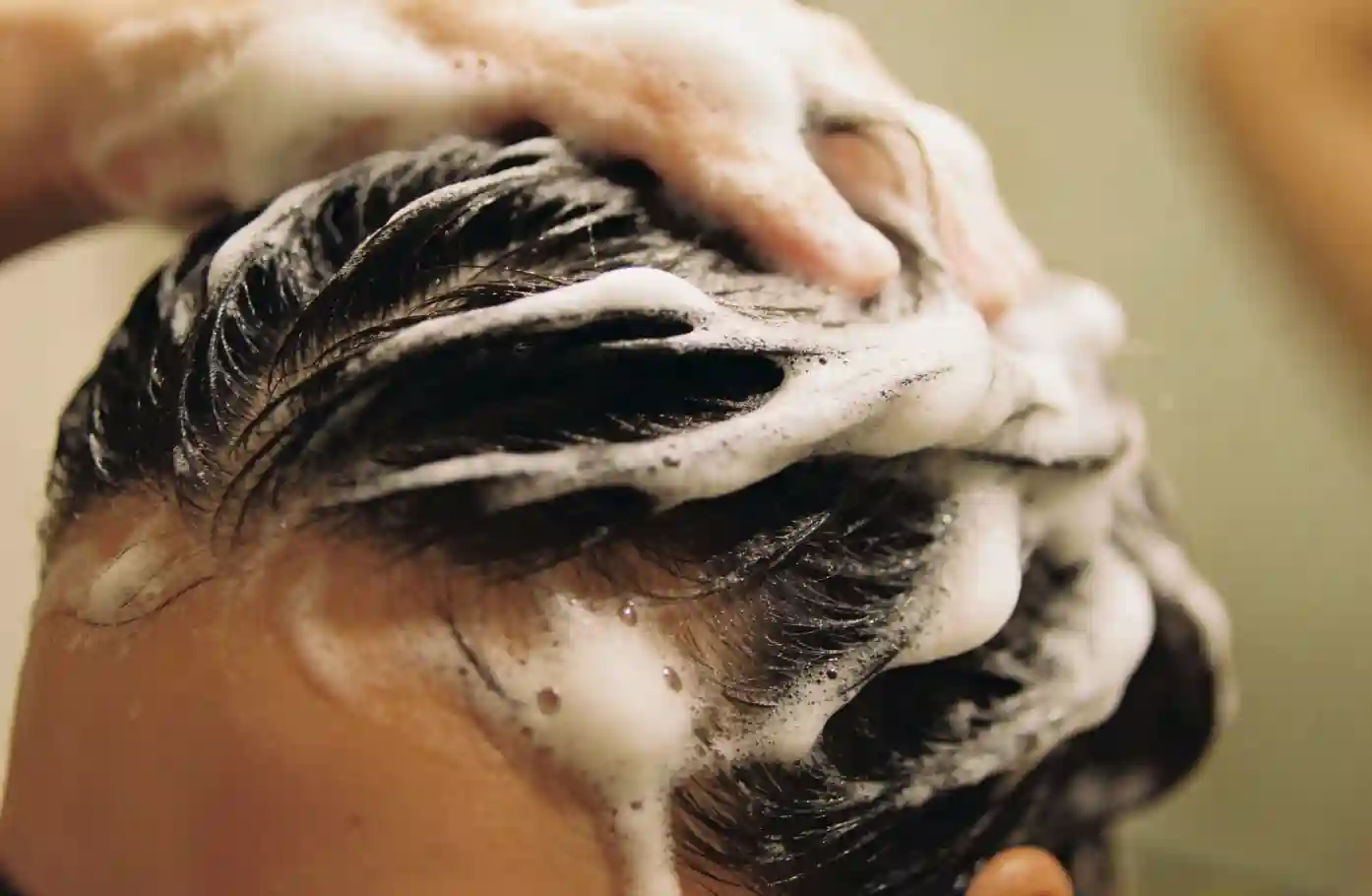
Hair Washing Frequency How Often Is Reasonable

How Often Should You Wash Your Hair

Finding the right hair-washing frequency is about scalp balance, not a universal rule

Too frequent washing can strip natural oils and irritate a sensitive scalp, while too infrequent washing can lead to buildup and imbalance. The ideal frequency varies by scalp type, activity level, and hair condition.

This article explains:

  • What factors determine a reasonable washing schedule

  • How scalp oil production and activity influence frequency

  • Why personalized routines work better than one-size-fits-all

👉 Read:
Hair Washing Frequency — How Often Is Reasonable?

Scalp Massage Improves Local Conditions, Not Nutrition

Scalp massage doesn’t change your nutrient levels — it enhances circulation, reduces tension, and improves the local scalp environment so follicles can respond better to available nutrients.

👉 Read:
Scalp Massage — What It Changes Is Not Nutrition but Local Conditions

Avoiding Mechanical Damage Matters More During Nutrient Deficiency

When nutrients are low, hair is more fragile — and mechanical stress (brushing, tight styles, friction) increases breakage and thinning. Protecting hair from everyday damage helps preserve strength while your body recovers.

👉 Read:
Avoiding Mechanical Damage — Hair Breakage and Thinning Are More Likely During Nutrient Deficiency

Why Hair Becomes More Vulnerable to Heat Damage During Nutrient Deficiency

When your body lacks key nutrients, hair structure weakens — making it easier to suffer heat damage from styling tools. Reducing heat helps protect fragile strands while recovery continues.

👉 Read:
Heat Management — Why Hair Becomes More Vulnerable to Heat Damage During Nutrient Deficiency

Scalp Environment Management: Micro-Inflammation & Barrier Recovery

Healthy hair needs a balanced scalp. Managing micro-inflammation and restoring the scalp barrier creates the right environment for follicles to function and support stronger growth.

👉 Read:
Scalp Environment Management — Micro-Inflammation and Barrier Recovery

PART II — Nutrition & Supplements

Providing the building blocks for internal recovery

Internal Support for Hair Recovery: What to Supplement, How, and What’s Reasonable

Effective hair recovery isn’t about random pills — it’s about targeted supplementation, proper dosing, and realistic timing.

This guide explains:

  • Which nutrients truly matter for hair growth

  • How to supplement in a way your body can use

  • What timeframes are reasonable for seeing results

👉 Read:
Overview of Internal Support — What to Supplement, How, and How Long Is Reasonable

Overview of Internal Support What to Supplement, How, and How Long is Reasonable

Iron & Ferritin: The Top Priority in Nutrient-Deficiency Hair Loss

Iron stores — especially ferritin — are crucial for hair growth. Even when hemoglobin is normal, low ferritin can limit follicle activation. This article explains why boosting iron stores is often the first and most important step in addressing nutrient-related hair loss.

👉 Read:
Iron & Ferritin — The Top Priority in Nutrient Deficiency Hair Loss

Zinc: A Key Micronutrient for Inflammation Control, Sebum Balance, and Hair Follicle Metabolism

Zinc isn’t just a nutrient — it helps control inflammation, regulate scalp oil, and support follicle metabolism. This article explains why zinc plays multiple roles in healthy hair beyond basic nutrition.

👉 Read:
Zinc — A Key Micronutrient for Inflammation Control, Sebum Balance, and Hair Follicle Metabolism

Vitamin D — A Foundational Nutrient for Immune Balance and Hair Cycle Regulation

Vitamin D supports immune stability and healthy hair‑growth cycles. This article explains why adequate vitamin D helps follicles transition between growth phases and why deficiency can slow visible progress.

👉 Read:
Vitamin D — A Foundational Nutrient for Immune Balance and Hair Cycle Regulation

Why Vitamin B12 & Folate Matter for Hair Health

Vitamin B12 and folate support cell division and energy metabolism — deficiencies can lead to weak shedding and slow regrowth. This article explains why these nutrients are essential for healthy hair cycles and visible recovery.

👉 Read:
Vitamin B12 & Folate — Why Deficiency Leads to Weak Shedding and Slow Regrowth

Protein — The Most Overlooked Raw Material for Hair Growth

Protein provides the building blocks (amino acids) hair needs to form keratin. When intake is too low, follicles can’t synthesize strong hair, making protein a critical yet often overlooked factor in hair health.

👉 Read:
Protein — The Most Overlooked Raw Material for Hair Growth

How Omega‑3 Supports Scalp Recovery in Nutrient‑Related Hair Loss

Omega‑3 fatty acids help reduce inflammation and support scalp health, making the environment more favorable for hair recovery. This article explains how anti‑inflammatory nutrient support benefits follicles beyond basic nutrition.

👉 Read:
Omega‑3 and Nutrient‑Deficiency Hair Loss — How Anti‑Inflammatory Support Helps Scalp Recovery

Supplement Combination Guide — The Simplest, Safest, and Most Sustainable Approach

A balanced supplement strategy matters more than random pills. This article outlines a practical, safe, and sustainable combination of nutrients to support hair recovery without overload or metabolic stress.

👉 Read:
Supplement Combination Guide — The Simplest, Safest, and Most Sustainable Approach

Why More Supplements Often Mean Slower Recovery

Taking too many supplements can overload your system, increasing metabolic stress and reducing absorption, which slows hair recovery instead of speeding it up.

👉 Read:
The Supplement Pitfall — Why More Often Means Slower Recovery

PART III — Key Ingredients

Understanding what truly supports hair recovery

In nutrient-deficiency hair loss, topical products can’t replace internal nutrition—but they can reduce damage and stabilize the scalp. Learn what topical ingredients should really do during recovery.

The Science of Topical Ingredients in Nutrient‑Deficiency Hair Loss — What Should They Really Do

Topical ingredients aren’t magic — they should support the scalp environment and assist follicle function, not replace underlying nutritional and metabolic recovery. This article explains what effective topical actives actually do and how they fit into overall hair support.

👉 Read:
The Science of Topical Ingredients in Nutrient‑Deficiency Hair Loss — What Should They Really Do

Barrier Repair Ingredients — Why the Scalp Becomes More Sensitive During Nutritional Deficiency

Nutrient gaps can weaken the scalp’s protective barrier, making it more sensitive, inflamed, and reactive. This article explains why barrier‑repair ingredients matter for calming the scalp and supporting hair recovery.

👉 Read:
Barrier Repair Ingredients — Why the Scalp Becomes More Sensitive During Nutritional Deficiency

Anti-Inflammatory Balance Ingredients — Reducing Inflammatory Background to Create a Better Environment for Hair Follicles

Inflammation can stress the scalp and slow hair recovery. This article explains how anti-inflammatory ingredients help calm the scalp, reduce irritation, and create a healthier environment for follicles to grow.

👉 Read:
Anti-Inflammatory Balance Ingredients — Reducing Inflammatory Background to Create a Better Environment for Hair Follicles

Hair Fiber Repair Ingredients — Improving Visual Density to Reduce Hair-Loss Anxiety

When hair is fragile, visual thinning can worsen stress. This article explains how hair fiber repair ingredients enhance appearance and perceived density, helping reduce anxiety while supporting overall hair-health routines.

👉 Read:
Hair Fiber Repair Ingredients — Improving Visual Density to Reduce Hair-Loss-Related Anxiety

Scalp Circulation Ingredients — Supporting Nutrient Delivery, Not Replacing Nutrition

Improving blood flow to the scalp can help support nutrient delivery to hair follicles, but it doesn’t replace the need for proper internal nutrition. This article explains how circulation-focused ingredients complement, rather than substitute for, nutrient support.

👉 Read:
Scalp Circulation Ingredients — Supporting Nutrient Delivery, Not Replacing Nutrition

Why Fragrance-Free, Silicone-Free, Gentle Ingredients Matter for Sensitive Scalps

For long-term maintenance, fragrance-free, silicone-free, and gentle formulas reduce irritation and support a calm scalp environment — especially when nutrient-related sensitivity makes the scalp more reactive.

👉 Read:
Safety & Sensitive Scalp Ingredients — Why Fragrance-Free, Silicone-Free, and Gentle Matter for Long-Term Maintenance

Return to Pillar Page

For a complete overview of symptoms, causes, recovery strategies, and daily care,

visit our Nutritional Deficiency Hair Loss Pillar Page.

Stay up to date

Subscribe for hair loss insights, expert care tips, exclusive offers, and product updates.

    * We will never share your email address & you can opt out at any time, we promise.

    • About Us

      • Our Story

      • ESG Commitment

      • Ingredients

      • Commitment To Quality

    • Categories

      • Anti-Hair Loss Shampoo

      • Hair Growth Oil

      • Hair Strengthen Mask

    • Evaviae Hub

      • Blog

      • Postpartum Hair Loss

      • Inside Evavitae

      • FAQ’s

    • Support

      • Look Up Order

      • Return & Refund

      • Terms & Conditions

      • Privacy Policy

    • Contact Us

      • Contact

      • Career with us

      • Become a Partner

    Instagram Linkedin Tik-tok Youtube

    Copyright © 2025 Evavitae