
• Home
  • Postpartum
  • Shop
    • Track Order
  • Blog
  • Our Story
    • Our Story
    • Dermatest
    • Partner Manufacturer
    • ESG Commitment
    • Evavitae Hair Care Ingredients
  • Contacts
  • Postpartum Hair Loss Mechanisms: Understanding What Happens Inside the Follicle
  • Postpartum Hair Loss Causes & Risk Factors
  • Postpartum Hair Loss Recovery: Timeline, Regrowth Stages & What to Expect
0 0
0 My compare

View Compare

0 0
0 My Wishlist

View Wishlist Add all to cart

My Cart $0.00 0
0 Shopping Cart

No products in the cart.

Return To Shop
Shopping cart (0)
Subtotal: $0.00

View cartCheckout

Spend $350.00 to get free shipping Congratulations! You've got free shipping.

Postpartum Mechanism Hub

Postpartum hair loss follows a clear biological pathway shaped by hormonal withdrawal, hair-cycle changes, nutrient shifts, inflammation, and individual predispositions.

This page organizes the core scientific explanations behind why postpartum shedding occurs and how the hair cycle naturally resets in the months following childbirth. Each section summarizes a key mechanism and links to a full in-depth article for deeper exploration.

Delivery Method, Metabolic Recovery, and Postpartum Hair Loss Overlooked Factors That Shape Your Recovery

What Is Postpartum Hair Loss?

Postpartum hair loss is a temporary physiological response triggered by the sharp decline of pregnancy hormones. During pregnancy, elevated estrogen holds most follicles in the anagen (growth) phase; after delivery, hormones drop, releasing a large percentage of follicles into the telogen (resting) phase at once. This synchronized shift is known as postpartum telogen effluvium and typically begins between 6–14 weeks postpartum.

Full guide: What Is Postpartum Hair Loss? →
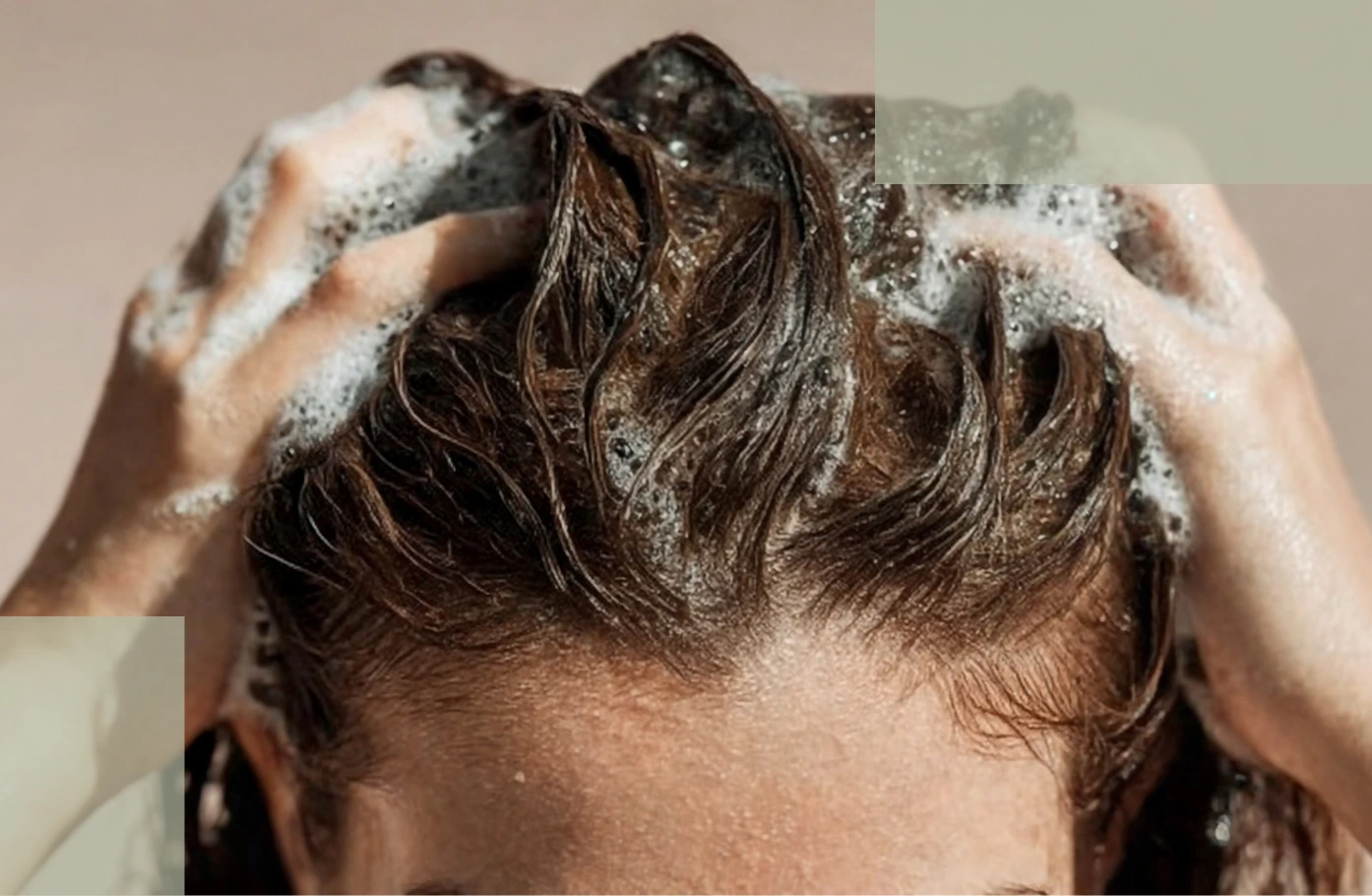
Typical Features of Postpartum Shedding

Most mothers observe increased shedding along the temples, part line, and during washing or brushing. These patterns reflect the natural release of telogen-phase hairs—not permanent damage or scarring alopecia. Postpartum shedding is diffuse, seasonal in appearance, and self-limiting. Understanding what “normal” looks like helps reduce fear and prevents misinterpreting natural shedding as genetic or chronic loss.

Learn the typical shedding signs →

Why Scalp Routine Matters So Much for Postpartum Hair Loss Recovery
How Long Does Postpartum Hair Loss Last Scientific Timeline & Full Recovery Stages Explained

How Long Does Postpartum Hair Loss Last?

Shedding does not occur immediately after birth—it follows the biology of the hair cycle. Most women begin shedding around 2–3 months postpartum, with a peak around months 3–4. Visible improvement typically begins by month 6, while full cycle stabilization may take 9–12 months. Factors such as ferritin levels, thyroid changes, sleep quality, and stress can influence the duration of shedding and recovery.

See the postpartum recovery timeline →

Postpartum Hair Loss vs. Genetic Hair Loss

Because postpartum shedding can be dramatic, many women wonder whether they are experiencing early genetic hair loss. Fortunately, the two conditions follow different patterns. Postpartum shedding is diffuse, temporary, and tied to hormonal withdrawal; genetic thinning is progressive, localized, and unrelated to childbirth. Understanding the distinction helps reduce anxiety and ensures proper expectations for recovery.

How to distinguish postpartum vs genetic loss →

How to Distinguish Postpartum Hair Loss from Genetic Hair Loss The Clearest and Most Important Guide
Why Some Women Experience More Severe Postpartum Hair Loss Key Triggers and High-Risk Groups Explained

Why Some Women Experience More Severe Shedding

Although nearly all mothers experience postpartum shedding, the severity varies widely. High-risk factors include low ferritin, zinc or vitamin D deficiency, thyroid fluctuations, chronic stress, sleep disruption, inflammation, and breastfeeding-related nutrient depletion. These factors do not cause postpartum hair loss alone—but they can intensify shedding or prolong the recovery period.

Why shedding intensity differs →

Postpartum Hair Loss Is Not a Disease

Postpartum telogen effluvium is classified as non-scarring alopecia—meaning the follicle structure remains intact, stem cells are preserved, and no permanent damage occurs. Shedding reflects a temporary biological reset, not a medical disorder or progressive condition. With time, nutrients, and stabilization of hormone levels, follicles naturally re-enter the growth phase and recovery begins.

Why postpartum shedding is not a disease →

Postpartum Hair Loss Is Not a Disease but a Physiological Adjustment Understanding Your Body’s Recovery Rhythm

Return to Pillar Page

For a complete overview of symptoms, causes, recovery strategies, and daily care,

visit our Postpartum Hair Loss Pillar Page.

More To Discover

Postpartum Hair Loss Is Not a Disease but a Physiological Adjustment Understanding Your Body’s Recovery Rhythm

Postpartum Hair Loss Is Not a Disease but a Physiological Adjustment: Understanding Your Body’s Recovery Rhythm

Learn why postpartum hair loss is a normal physiological adjustment, not a disease. Understand the natural recovery process, follicle health, and supportive care strategies for new moms.
Why Some Women Experience More Severe Postpartum Hair Loss Key Triggers and High-Risk Groups Explained

Why Some Women Experience More Severe Postpartum Hair Loss: Key Triggers and High-Risk Groups Explained

Discover why some women experience more severe postpartum hair loss. Learn key triggers, high-risk groups, common signs, and strategies to support recovery and healthy hair regrowth.
How to Distinguish Postpartum Hair Loss from Genetic Hair Loss The Clearest and Most Important Guide

How to Distinguish Postpartum Hair Loss from Genetic Hair Loss: The Clearest and Most Important Guide

Learn how to distinguish temporary postpartum hair loss (PTE) from genetic hair loss (AGA). Understand timing, shedding patterns, affected areas, recovery potential, and when to seek medical advice.
How Long Does Postpartum Hair Loss Last Scientific Timeline & Full Recovery Stages Explained

How Long Does Postpartum Hair Loss Last? Scientific Timeline & Full Recovery Stages Explained

Discover the typical timeline of postpartum hair loss, from delayed shedding to full recovery. Learn why it happens, how long it lasts, factors affecting recovery, and tips to support healthy hair regrowth.
Typical Signs of Postpartum Hair Loss Which Shedding Patterns Are Normal How Do You Know You’re Experiencing PTE

Typical Signs of Postpartum Hair Loss: Which Shedding Patterns Are Normal? How Do You Know You’re Experiencing PTE?

Learn the common signs of postpartum hair loss, including delayed shedding, concentrated hair fall, thinning hairline, and new hair growth. Understand what’s normal, recovery timelines, and when to seek advice.

What Is Postpartum Hair Loss?Understanding the Physiology, Typical Features, and Recovery Timeline

Discover why postpartum hair loss occurs, typical symptoms, how it differs from genetic hair loss, and recovery timelines. Learn tips to support healthy hair and scalp during the postpartum period.
Can You Stop Postpartum Hair Loss Completely Here’s What Science Says-01

Can You Stop Postpartum Hair Loss Completely? Here’s What Science Says

Learn what science reveals about stopping postpartum hair loss—why full prevention isn’t realistic, and how gentle, consistent care truly helps.
Signs of Hair Loss- Early Clues, Causes, and Care Options

Signs of Hair Loss: Early Clues, Causes, and Care Options

Discover the early signs of hair loss, from thinning hairlines to reduced volume, and learn how to take action with lifestyle, medical, and gentle scalp care solutions. Explore evidence-based insights and supportive approaches for healthier hair.

PCOS Hair Loss Explained: How Gentle, Effective Hair Care Can Help

Struggling with PCOS hair loss? Discover how hormone-safe, gentle hair care — like Evavitae’s sulfate-free shampoo and scalp serum — can support regrowth and soothe sensitive scalps.

Understanding Common Hair Loss Types

Discover the most common causes of hair loss—from postpartum shedding to genetic thinning—and how gentle, science-led solutions from Evavitae can help.

Stay up to date

Subscribe for postpartum hair care tips, exclusive offers, and product updates.

    * We will never share your email address & you can opt out at any time, we promise.

    • About Us

      • Our Story

      • ESG Commitment

      • Ingredients

      • Commitment To Quality

    • Categories

      • Anti-Hair Loss Shampoo

      • Hair Growth Oil

      • Hair Strengthen Mask

    • Evaviae Hub

      • Blog

      • Postpartum Hair Loss

      • Inside Evavitae

      • FAQ’s

    • Support

      • Look Up Order

      • Return & Refund

      • Terms & Conditions

      • Privacy Policy

    • Contact Us

      • Contact

      • Career with us

      • Become a Partner

    Instagram Linkedin Tik-tok Youtube

    Copyright © 2025 Evavitae