Postpartum Hair Loss: Emotional Impact, Self-Identity, and Common Misconceptions
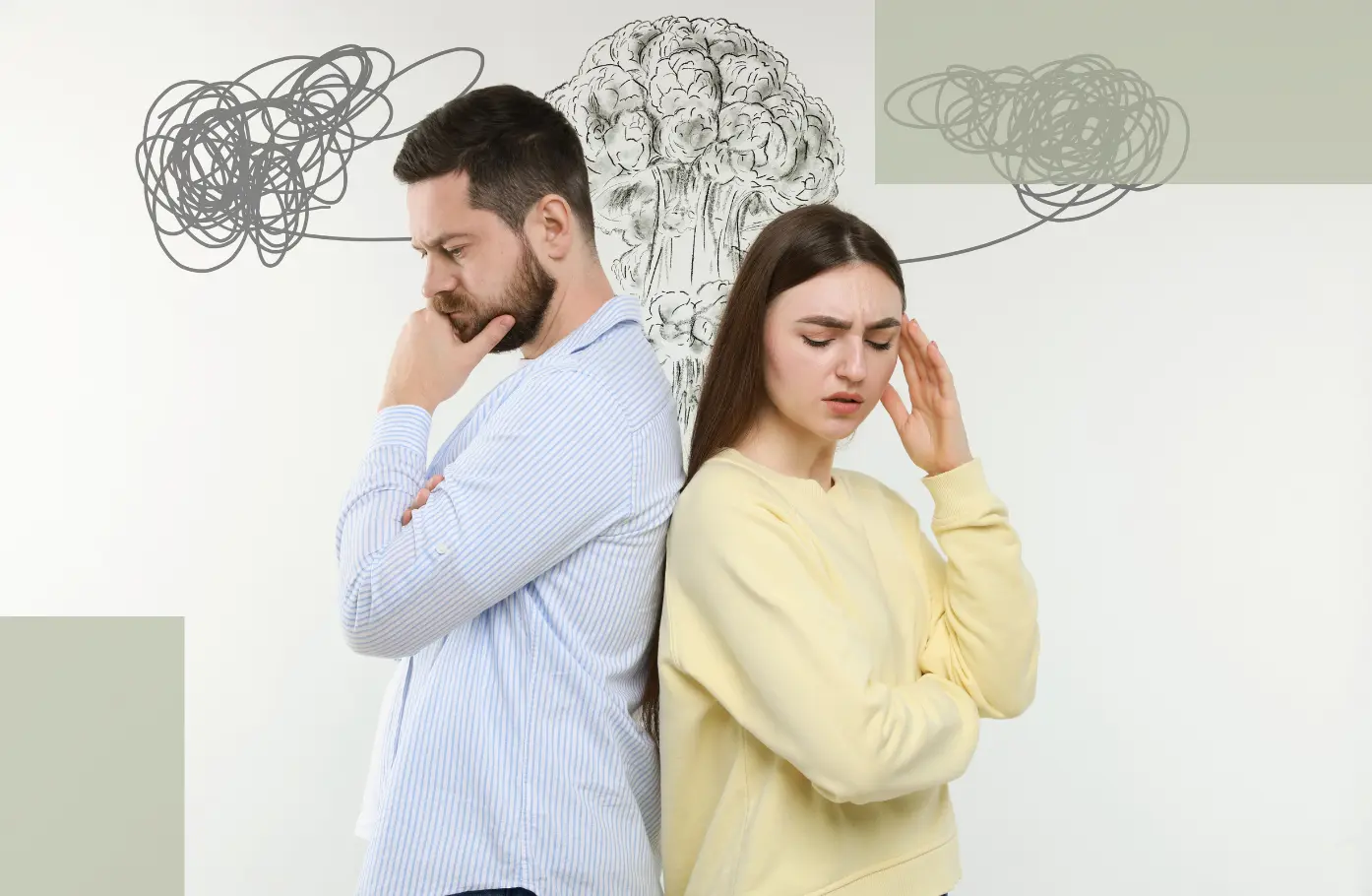
Postpartum hair loss is not only a biological experience—it is an emotional one. Many mothers face anxiety, self-image challenges, uncertainty, and social pressure as shedding becomes visible. At the same time, widespread misconceptions about causes, mechanisms, and recovery often increase fear and deepen the stress-loop.
This hub organizes the psychological dimension of postpartum hair loss and clarifies the misunderstandings that commonly mislead mothers. Each module below summarizes a core emotional theme or misconception and links to a full in-depth guide.
Emotional Experience & Psychological Impact
Postpartum shedding interacts deeply with a mother’s self-image, identity, confidence, relationships, and emotional wellbeing. Understanding these internal experiences helps normalize the feelings many women silently carry.
For many women, postpartum hair loss feels like an unexpected disruption to identity. Thinning hair can change how mothers see themselves, challenge long-held confidence, and heighten sensitivity to appearance. Visibility adds pressure—what if others notice? Combined with the rapid identity shift into motherhood, these emotional layers can feel overwhelming but are deeply human.
The emotional distress caused by postpartum hair loss often comes from uncertainty—“Will it stop?” “Will it grow back?” Hormonal fluctuations intensify sensitivity, making normal shedding feel catastrophic. Many mothers describe a sense of losing control over their bodies at a time when so much else is already changing. This emotional turbulence is normal and temporary.
Cultural expectations of being a “perfect mother” can amplify anxiety when shedding begins. Mothers may change hairstyles, avoid photos, or withdraw socially to hide visible thinning. These behavioral adjustments reflect the quiet emotional burden many women face—not vanity, but vulnerability.
Postpartum hair loss can quietly affect relationship confidence. Some mothers fear that their partner will notice the change, feel less attractive, or struggle with closeness. These worries are common but rarely discussed. Compassionate communication and reassurance help restore confidence and reduce emotional strain.
Emotional recovery begins when mothers understand that postpartum hair loss is temporary, normal, and not a personal failure. Many women find strength in reframing their experience, practicing gentleness with themselves, and recognizing the resilience their bodies demonstrate. Confidence grows as regrowth begins and anxiety decreases.
Misconceptions fuel fear. When mothers misunderstand the biological timeline, triggers, or recovery process, anxiety increases and routines become more stressful than helpful. Clarifying these myths brings confidence and peace.
Many mothers fear that heavy shedding means permanent damage. In reality, postpartum hair loss is non-scarring and follows a predictable biological cycle. Misreading these biological patterns leads to unnecessary panic.
It’s easy to assume postpartum shedding is caused by “bad hair care,” “weak health,” or “doing something wrong.” In truth, the primary cause is hormonal withdrawal—not lifestyle mistakes.
Some mothers over-wash, over-brush, or overload products hoping to stop shedding immediately. But trying harder often irritates the scalp and increases anxiety. Gentle consistency—not intensity—is what supports recovery.
Many mothers focus on “single miracle ingredients,” but postpartum hair recovery relies on balanced formulations—not one magic molecule. Understanding ingredient synergy prevents wasted effort and frustration.
A common myth is that postpartum shedding stops within 2–3 months. In reality, recovery follows a 6–12 month cycle. Misunderstanding the timeline often leads mothers to think they are “not recovering,” even when regrowth is already happening.
Some believe their emotional reactions are “overreacting,” but postpartum hair loss touches identity, confidence, and hormonal sensitivity. These feelings are valid—not exaggerated—and recognizing this is the start of emotional healing.