
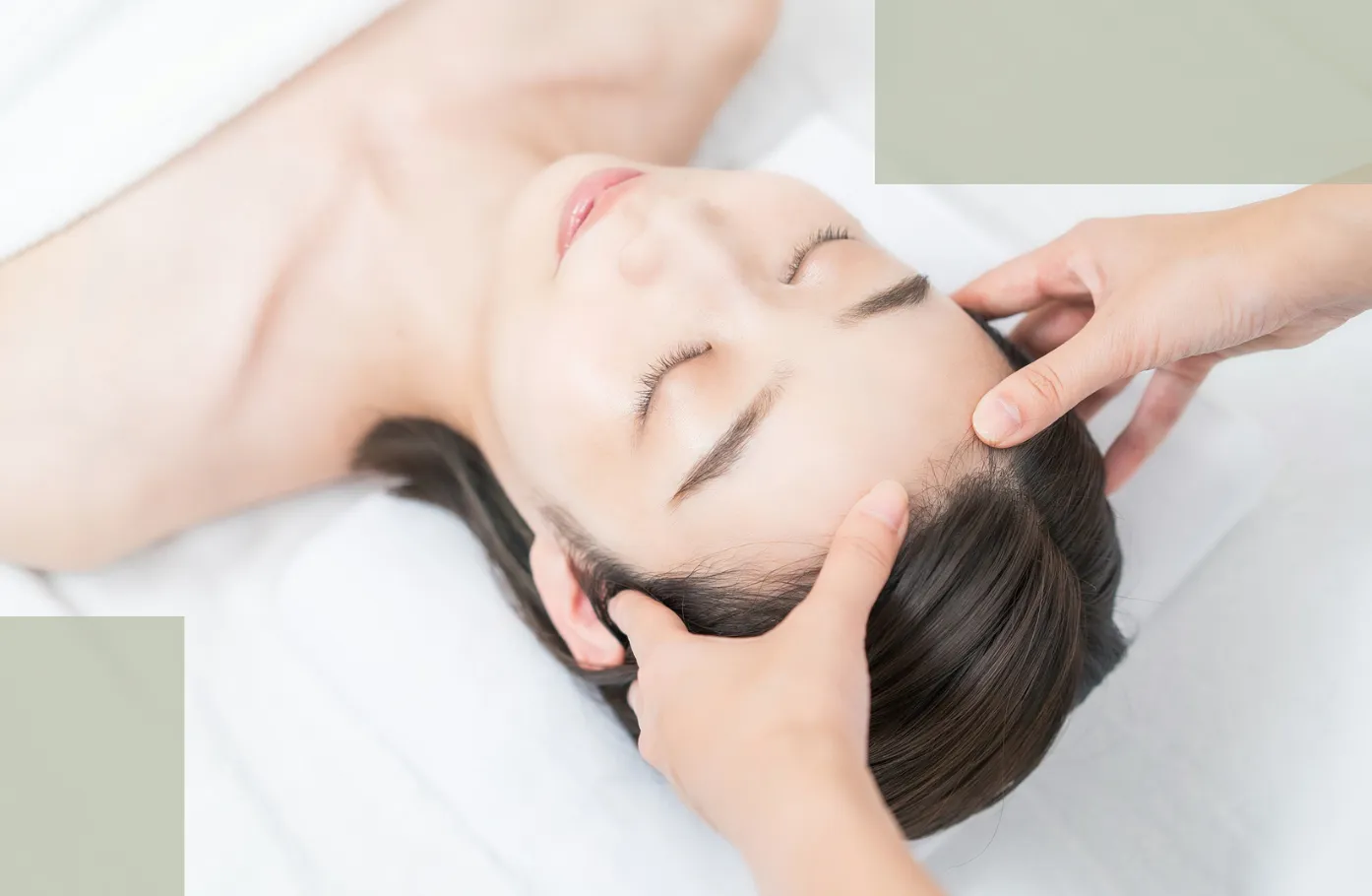
Many new mothers worry about shedding and fear going bald, but often overlook one of the most fundamental and underrated factors:
scalp microcirculation.
You may have heard:
- “Hair follicles need nutrients to grow hair.”
- “Stress makes you lose hair.”
- “Lack of sleep makes your hair go crazy.”
But few people explain that the core of all these issues is often the same:
poor scalp circulation.
Postpartum is one of the stages in a woman’s life when scalp circulation is most likely to decline.
When circulation drops, hair follicles can remain in a state of:
- low oxygen supply
- low energy
- slow regrowth
- prolonged telogen (resting phase)
- higher daily shedding
If you feel your postpartum hair loss is recovering very slowly, or if shedding continues beyond 6 months without clear improvement, impaired scalp circulation is often a major factor.
For a step-by-step routine that connects cleansing, massage, ingredient choice, and daily care, you can also explore our Postpartum Scalp Care guide.
This guide will help you understand— from medical mechanisms, key ingredients, and lifestyle habits— why scalp circulation matters, how to improve it, and which ingredients can support it, so your follicles can re-enter the growth phase more efficiently.
I. Why Is Scalp Circulation So Important for Postpartum Hair Loss? (Scientific Principles)
Many people assume “heavy shedding” means the follicles are damaged.
In most cases of postpartum hair loss, that’s not true.
Postpartum shedding is mainly due to:
follicles shifting into telogen (resting phase) together after a sharp hormonal drop.
To move from telogen back to anagen (growth phase),
follicles don’t need a “magic shampoo” as much as they need:
blood flow + oxygen + energy.
The better the scalp circulation, the easier it is for follicles to recover.
For a deeper dive into the specific ingredients that help “wake up” resting follicles, you can refer to our follicle activation ingredients guide.
Here are four core ways circulation supports postpartum recovery:
1️⃣ Oxygen Delivery to the Follicles
Hair follicles are among the most metabolically active structures in the body.
They need a constant supply of oxygen to support:
- ATP (energy) production
- matrix cell division in the hair bulb
- keratin synthesis
- hair shaft growth rate
When circulation is poor:
- follicles become relatively hypoxic
- cell activity slows down
- new hair grows shorter, softer, and finer
- the growth phase is delayed
- hair “doesn’t seem to grow”
Research suggests that reduced oxygen delivery to the scalp can shorten the growth phase and accelerate shedding during telogen.
2️⃣ Nutrient Delivery to the Follicles
Nutrients don’t magically reach the follicle just because you take a supplement.
They must be transported by blood.
When scalp circulation is compromised, even if you supplement iron, zinc, protein, and vitamins:
- follicles may still receive insufficient supply
- recovery remains slow
- new hair quality is poor
This explains why some mothers take nutrients for months but see little change—
the delivery system (circulation) isn’t working well enough.
3️⃣ Activating Follicular Energy Metabolism (ATP Production)
To re-enter anagen, follicles need a large amount of energy.
Better circulation means:
- more oxygen for ATP production
- more nutrients to fuel cell activity
- follicles “wake up” more easily
- especially visible improvement in sensitive areas like the hairline and temples
4️⃣ Clearing Inflammatory and Oxidative Byproducts
Poor circulation can allow inflammatory mediators and oxidative byproducts to accumulate around follicles, leading to:
- worsening stress-related shedding
- more redness and itch
- more severe seborrheic dermatitis
- micro-inflammation around the follicle
Micro-inflammation is one of the “silent” factors that lengthens the duration of postpartum hair loss.
II. Why Does Scalp Circulation Decline After Childbirth? (Often Ignored Causes)
This is one of the most fundamental reasons recovery feels slow.
1️⃣ Sleep Deprivation (The Biggest Trigger)
Poor sleep quality:
- keeps the sympathetic nervous system activated
- reduces peripheral blood flow
- leads to follicular hypoxia
- worsens shedding and delays recovery
This is why many people notice:
“After a really good night of sleep, I shed noticeably less hair.”
2️⃣ High Stress → Elevated Cortisol
Chronic stress constricts blood vessels in the scalp,
leading to:
- reduced oxygen supply
- slower nutrient delivery
- more fragile follicles
The higher the stress, the more severe and persistent the shedding.
3️⃣ Nutrient Deficiency (Iron, Zinc, B Vitamins, Protein)
These nutrients are the foundation of:
- red blood cell production
- oxygen transport
- cellular energy metabolism
When they are low:
- hemoglobin can drop
- follicles receive less oxygen
- new hair grows more slowly
Low ferritin (iron stores) is especially linked to slow, circulation-related recovery.
4️⃣ Excess Sebum Blocking Microcirculation
Postpartum sebum fluctuations can cause:
- clogged follicles
- reduced local blood flow
- a “hot, stuffy” feeling on the scalp
Oil and buildup can make shedding look much worse, because hairs are more easily dislodged.
If you’re also dealing with flakes, itch, or seborrheic tendencies, it can help to combine circulation support with a routine based on scalp balance and anti-inflammatory care.
5️⃣ Inflammation and Seborrheic Dermatitis
Inflammation directly affects:
- small blood vessels around follicles
- the microcirculation in the scalp
- how quickly follicles can re-enter the growth phase
This is why people with seborrheic dermatitis often experience more intense and prolonged postpartum shedding.
III. Which Ingredients Can Support Scalp Circulation? (Ingredient Science)
Postpartum-friendly circulation-support ingredients should be gentle, non-pharmaceutical, and suitable for sensitive scalps.
Here are plant-based and cosmetic ingredients commonly discussed in research and practice:
I. Rosemary (Rosemary Extract / Rosemary Oil)
One of the most well-known circulation-support ingredients in hair care.
Key actions:
- helps dilate small scalp blood vessels
- supports oxygen delivery
- provides antioxidant benefits
- may help calm micro-inflammation
- supports overall follicle activity
Studies suggest rosemary-based formulas can improve hair density over several months when used consistently.
II. Ginger Root Extract (Zingiber Extract)
Ginger has a very direct effect on local circulation.
Benefits:
- increases local blood-flow velocity
- gently raises temperature and oxygen supply
- may help shorten the resting phase
- supports sebum balance
Often suitable for people with cool, sluggish-feeling scalps.
III. Ginseng (Ginseng / Ginsenosides)
Ginseng supports both circulation and follicle biology.
Benefits:
- stimulates dermal papilla cell activity
- enhances follicular metabolism
- supports microcirculation
- offers antioxidant protection
- may help speed up re-entry into the growth phase
Particularly helpful for postpartum women whose recovery feels stalled.
IV. Caffeine
Not a classic circulatory agent in the traditional sense,
but it can indirectly support microcirculation and energy metabolism.
Benefits:
- supports oxygen and nutrient delivery
- may promote ATP production in follicle cells
- gently stimulates follicles
- indirectly supports circulation-related functions
Topical caffeine is generally considered mild and suitable for postpartum use.
V. Plant-Based Oils (in Low to Moderate Amounts)
Including:
- grape seed oil
- batana oil
- argan oil
- small amounts of citrus or other essential oils (used carefully)
These oils can:
- enhance massage effectiveness
- improve softness and flexibility of the scalp and hair
- support the outer barrier, indirectly helping circulation
They are not direct “activators,” but they can support the overall environment when combined with massage and good routines.
VI. Capsaicin (Very Low Concentration, Use with Caution)
Mechanism:
- stimulates TRPV1 receptors
- increases local blood flow
- produces a warming sensation
However:
- higher concentrations are not recommended in breastfeeding
- sensitive scalps may react strongly
Any capsaicin-containing cosmetic should be used with caution and preferably under professional guidance.
If you are breastfeeding or have a very reactive scalp, it’s always wise to cross-check formulas with our breastfeeding-safe, sensitive-friendly ingredient guide.
IV. How to Improve Scalp Circulation Through Routine? (Practical Blueprint)
1️⃣ Scalp Massage – The Fastest Human Tool to Boost Circulation
Just 3–5 minutes per day can make a difference.
Benefits:
- can increase local blood flow
- reduces stress and muscle tension
- helps circulation-support ingredients work better
- can help shorten the resting phase
Key massage tips:
- use fingertips, not nails
- use circular motions with gentle pressure
- move from the hairline → crown → back of the head
- massaging before washing can be especially effective
2️⃣ Keep the Scalp Clean (Wash Every 2–3 Days on Average)
Sebum buildup:
- lowers scalp temperature
- restricts follicle environment
- can reduce microcirculation
Regular, gentle cleansing helps:
- keep follicles clear
- support healthy circulation
- reduce inflammation triggers
3️⃣ Use Gentle, Low-pH Shampoos
Using mild surfactants and low-pH formulas helps prevent:
- micro-inflammation
- barrier damage
- stinging or burning
This stable environment is essential for maintaining healthier circulation.
If your barrier already feels compromised (stinging, burning, tightness), pairing circulation support with a dedicated barrier repair routine can make a big difference.
4️⃣ Avoid Excessive Heat
High heat can cause:
- temporary blood vessel constriction
- increased inflammation
- abrupt temperature changes in the scalp
None of these are ideal for long-term circulation health.
Use:
- medium or low heat settings
- more distance between dryer and scalp
5️⃣ Avoid Very Hot Water
Water hotter than ~40°C can instantly reduce scalp blood flow.
Better options:
- lukewarm water (around 35–38°C) for most of the wash
- a slightly cooler rinse at the end to gently stimulate the scalp
6️⃣ Nutrition: The Internal Power Behind Circulation
Key nutrients for better circulation and follicle support:
- iron (critical for oxygen transport)
- zinc
- vitamin D
- B vitamins (B1, B2, B3, B6, B12)
- omega-3 fatty acids
- high-quality protein
Without these, even the best topical formulas can’t fully support follicles.
V. Typical Signs of Poor Scalp Circulation
If you notice any of the following, your circulation may already be compromised:
- scalp feels cold to the touch
- numbness or “tight” sensation on the scalp
- more shedding at the temples and hairline
- pale or dull scalp color
- very slow growth of new baby hairs
- softer, weaker strands with less bounce
- tenderness or discomfort when you press the scalp
- oily scalp but dry hair lengths
All of these can be classic signs of reduced microcirculation.
If these symptoms are also accompanied by strong stinging, burning, or “can’t tolerate anything on my scalp” sensations, you may resonate with our sensitive-scalp-after-childbirth guide, which focuses on sensitivity and tolerance.
VI. What Changes Can You Expect When Circulation Improves? (Highly Noticeable)
Improving circulation is usually one of the most “felt” changes during recovery.
You may notice:
- less daily shedding
- baby hairs appearing along the hairline
- scalp color shifting from pale → slightly pink → healthier tone
- less itch and discomfort
- scalp feeling warmer and more “alive”
- new hairs becoming thicker over time
- overall recovery feeling noticeably faster
Typical timeframes (can vary by individual):
- 2–4 weeks: visible reduction in daily shedding
- 6–12 weeks: baby hairs and fine regrowth become more obvious
- 3–6 months: noticeable improvement in overall density
At the same time, improving circulation works even better when combined with protecting the visible hair shaft itself—see our hair fiber repair guide for that side of care.
VII. Common Misconceptions About Scalp Circulation
❌ Myth 1: The more you massage, the better.
→ Over-massaging can increase irritation and inflammation. Gentle and consistent is better than intense and aggressive.
❌ Myth 2: Postpartum women shouldn’t use circulation-support ingredients.
→ Gentle, plant-based circulation-support ingredients can be suitable, especially in cosmetic formulations designed for sensitive scalps.
❌ Myth 3: The more essential oils, the better the effect.
→ High concentrations of essential oils can irritate the scalp and worsen inflammation.
❌ Myth 4: Hot water helps promote circulation.
→ It may create a brief warm sensation, but in the long term it damages the barrier and destabilizes circulation.
❌ Myth 5: Topical care alone can completely fix circulation.
→ Internal nutrition, sleep, and stress management are the real foundations of “blood-building” and energy supply.
VIII. Summary: Scalp Circulation Is the Decisive Variable for Recovery Speed
Scalp circulation is the driving layer of the entire postpartum recovery system:
- oxygen
- energy
- nutrient transport
- new hair growth speed
- timing of the growth phase
If you want to truly speed up recovery,
circulation needs to work together with:
- Scalp Balance – stabilizing the environment
- Barrier Repair – protecting the surface
- Follicle Activation – stimulating new growth
In this system, circulation is the accelerator.
Without it, recovery feels slow and frustrating.
With it, every other step of your routine can work more efficiently and visibly.
To learn how postpartum telogen effluvium differs from hereditary hair loss, visit our Postpartum Hair Loss education page.
During periods of increased shedding, the Evavitae Root Fortifying Hair Essence can help maintain a clean, non-irritating scalp environment.