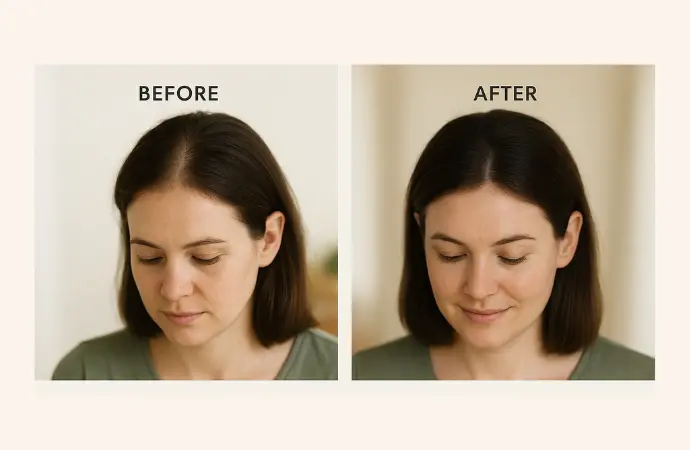
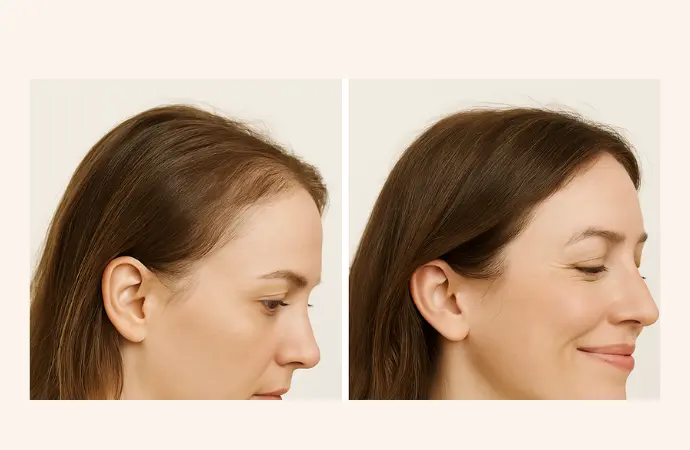
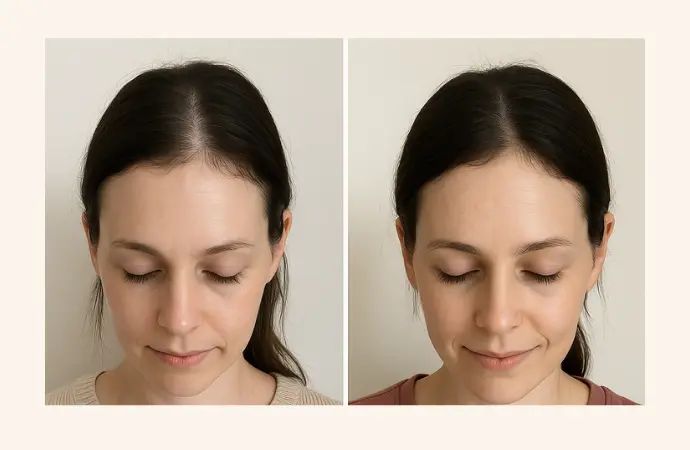
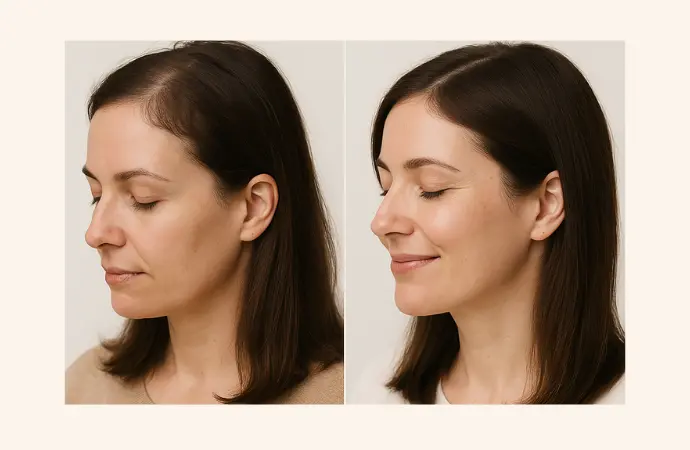
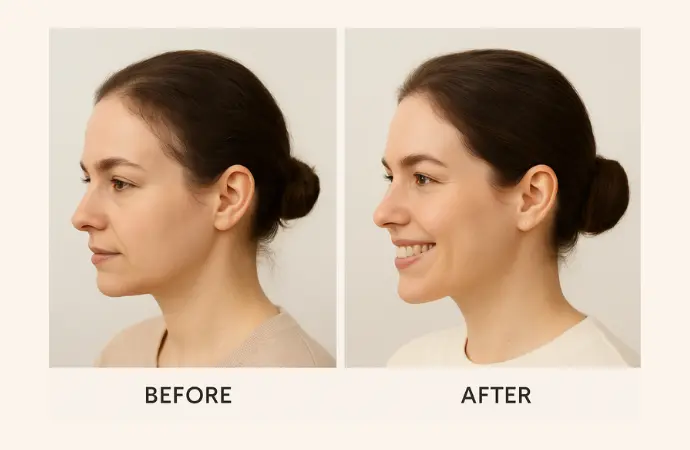
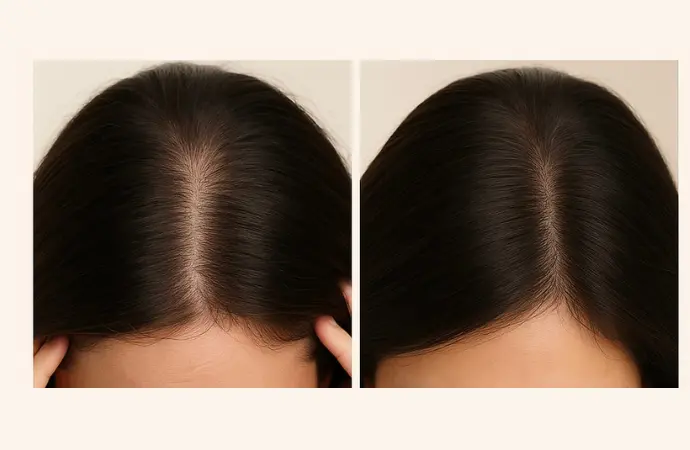
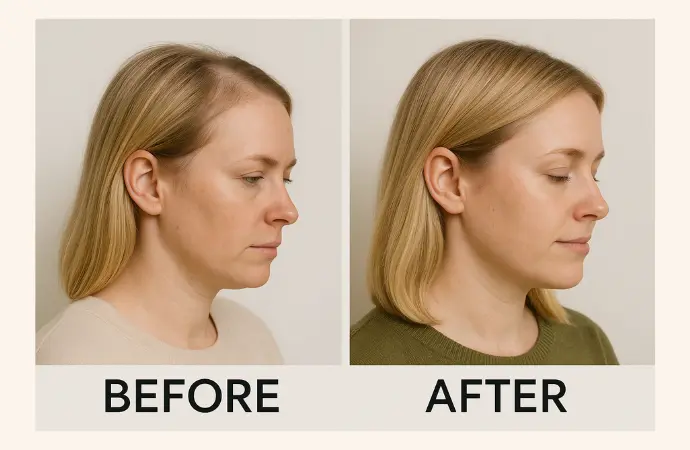
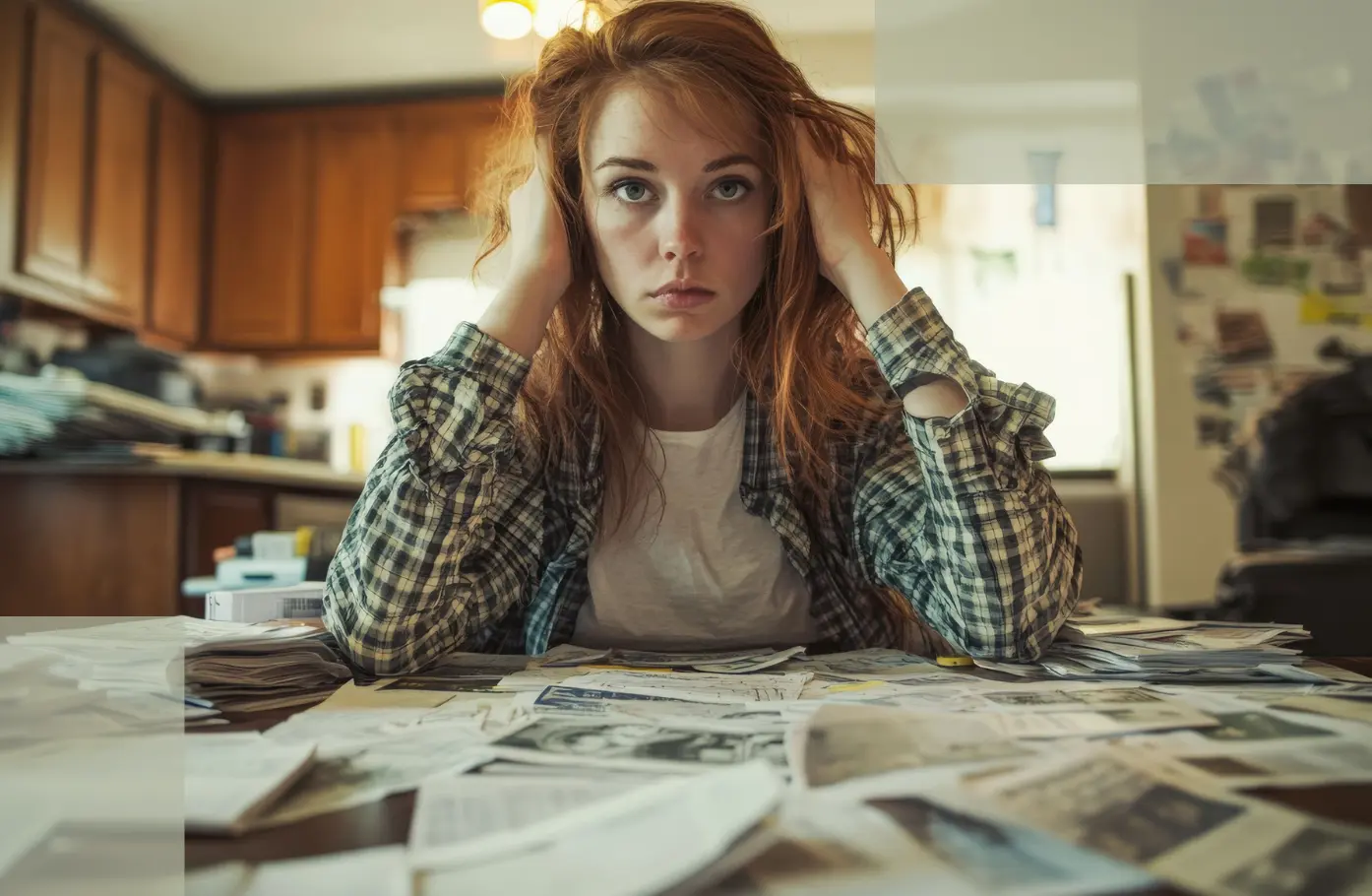
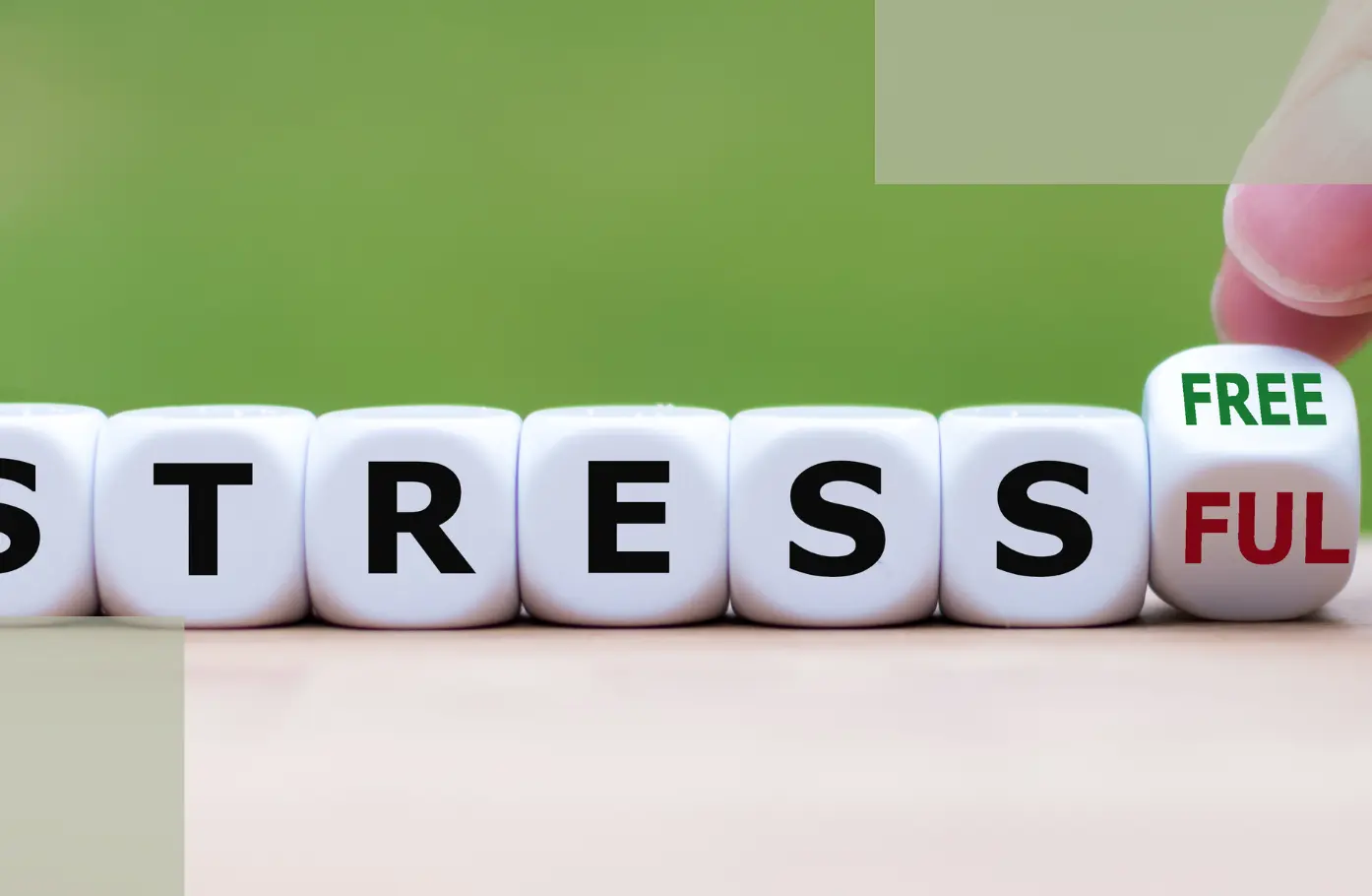
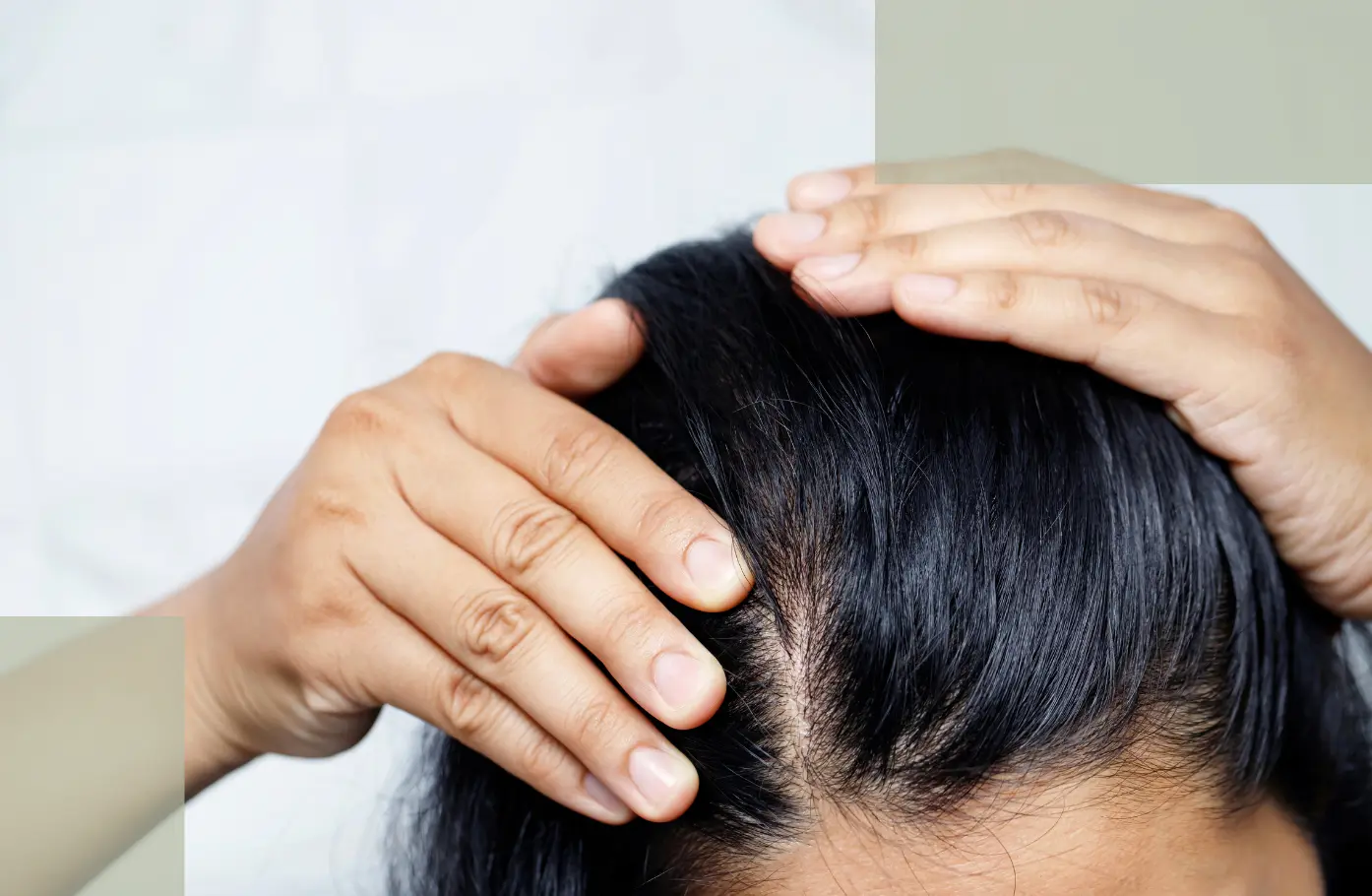
Stress hair loss usually refers to a condition called stress-induced telogen effluvium.
Under significant physical or emotional stress, a large number of hair follicles are pushed prematurely into the telogen (resting) phase. Several weeks to months later, this leads to sudden, diffuse shedding.
Not everyone under stress loses hair in the same way.
Certain factors significantly increase vulnerability to stress hair loss:
long-term psychological stress or anxiety
postpartum hormonal changes combined with sleep deprivation
nutritional depletion (iron, protein, vitamin D)
sensitive scalp or chronic inflammation
repeated cycles of stress without recovery
Women often search for terms like “stress hair loss female” or “female stress hair loss pattern” because female hair follicles respond more visibly to systemic stress shifts.
The Five Angles of Stress Hair Loss We’ll Walk Through Together
Stress-related hair loss isn’t caused by a single trigger — it’s a multidimensional process involving your nervous system, hormones, energy balance, scalp environment, and even your daily mental state.
This overview page gives you the full picture. If you’d like to explore a specific angle in more depth, each topic below has its own dedicated hub with articles, guides, and recovery frameworks.
Mechanisms
What happens inside the follicle during stress — sympathetic activation, cortisol changes, disrupted microcirculation, and why shedding begins weeks after the stressful event.
The internal and external factors that intensify stress-related shedding or prolong recovery, including sleep disruption, nutrient imbalance, chronic tension patterns, and high-risk groups.
Gentle, stability-focused routines that protect sensitive follicles, prevent further irritation, and create the “safe environment” your scalp needs to restart growth.
What true recovery looks like — step-by-step biological changes, when shedding slows, when new hairs appear, and how the full reset unfolds over weeks and months.
How stress hair loss affects the mind — and the misconceptions that make people more anxious than they need to be. Understanding these can dramatically improve the recovery experience.
Boost scalp microcirculation, soothe irritation, and restore a healthy foundation for regrowth.
These natural actives promote nutrient delivery to weakened follicles and balance the scalp barrier
often disrupted after childbirth.
💡 Effect: Improved scalp comfort, better oxygen flow, and a nourished growth environment.
Reinforce hair fibers and anchor them firmly within the follicle to prevent excessive shedding.
Tripeptides and keratin rebuild inner strength, while biotin and panthenol energize growth at the follicular level.
💡 Effect: Reduced breakage, improved density, and visibly stronger strands.
A nutrient-rich blend of fatty acids, antioxidants, and strengthening compounds that deeply moisturizes the scalp and supports a calm, balanced environment.
These restorative oils help counteract stress-related dryness, barrier sensitivity, and oxidative strain.
💡 Effect: Hair feels softer, stronger, and visibly more balanced as shedding stabilizes over time.
Find Your Best Stress Hair Loss Routine
Answer a few quick questions to discover your personalized stress hair loss care set.
From gentle cleansing to targeted support, we’ll match what your recovery truly needs.
Your Personalized Routine: Recovery Set
Start gentle care early. Our Recovery Set helps reduce stress-related shedding and nourish the scalp barrier,
supporting a calmer, more stable environment for regrowth.
A complete regrowth program combining repair, nourishment, and scalp support —
ideal for long-term stress hair loss recovery and nervous-system rebalancing.
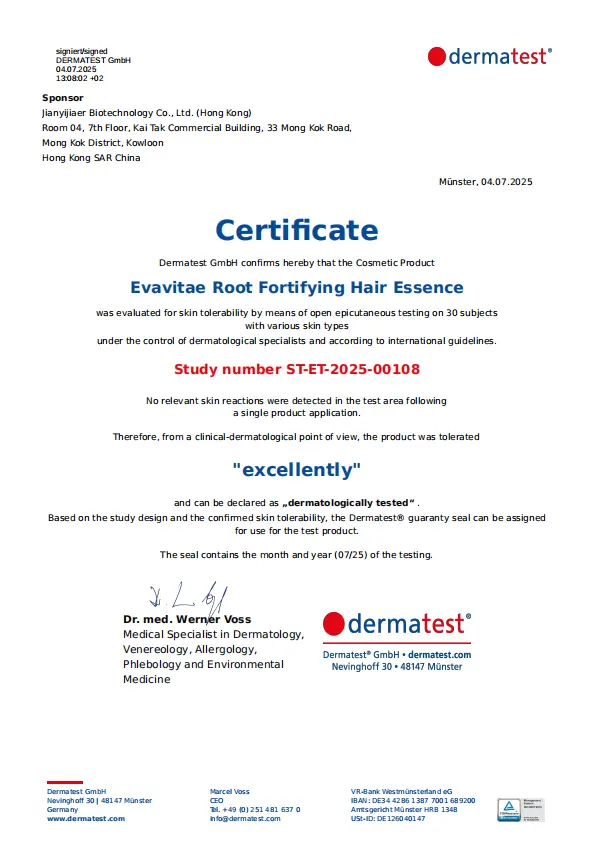
Your Personalized Routine: Root Fortifying Hair Essence
Soothes sensitivity while cleansing gently. Ideal for balancing a stress-affected scalp,
removing buildup, and helping prevent further stress-related shedding.
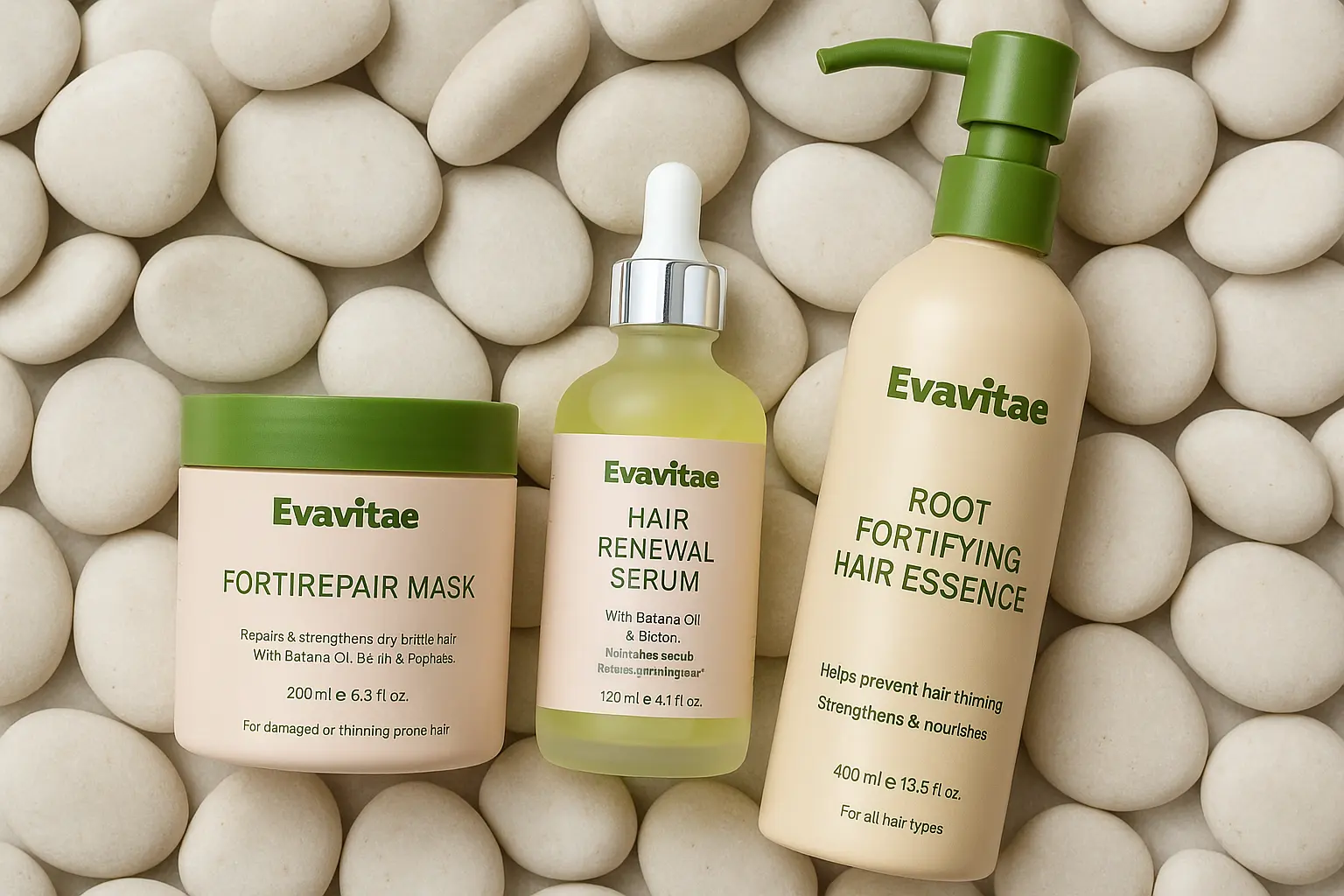
Your Complete Stress Hair Loss Shampoo & Recovery System
If you’re searching for the best shampoo for stress hair loss, the key is a formula that supports the scalp without irritation. Evavitae’s system combines gentle cleansing, deep nourishment, and targeted repair to help your follicles reset naturally:
Frequently Asked Questions about Postpartum Hair Loss
1. Can stress really cause hair loss?
Yes — both acute and chronic stress can push a large number of follicles into the telogen (resting) phase, leading to increased shedding 2–3 months later. This condition is called telogen effluvium. It does not destroy follicles, and recovery is fully possible once the stress load decreases and the nervous system stabilizes.
2. What does hair loss from stress look like?
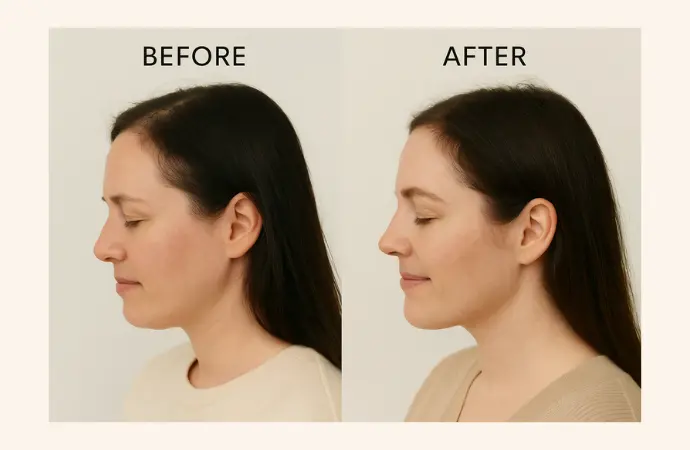
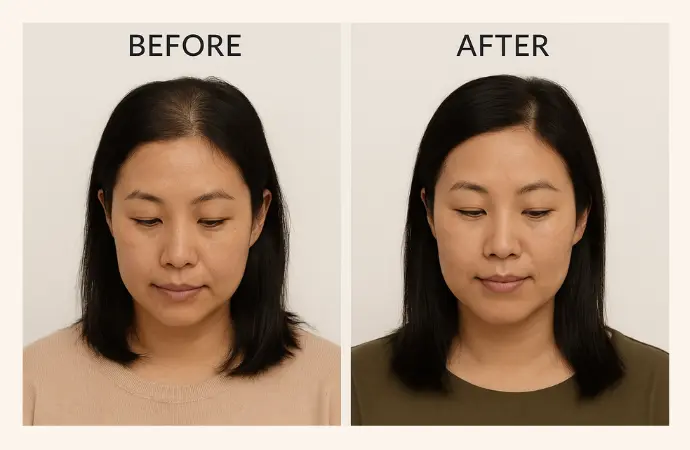
Stress-related shedding usually shows up as sudden, increased fall during washing or brushing, thinning around the crown or temples, and hair that feels weaker or less dense. The scalp may feel more sensitive or oily due to nervous-system-driven changes in sebum production.
3. Will hair loss from stress grow back?
In most cases, yes. Because stress hair loss does not damage follicles permanently, regrowth typically begins once cortisol levels drop and the scalp environment stabilizes. Most people see improvement within 8–16 weeks, although full density recovery may take several months.
4. How do you stop hair loss caused by stress?
Reducing stress load is essential, but recovery also requires:
restoring a stable sleep–wake rhythm
gentle, non-irritating scalp care
avoiding harsh stimulation products
consistent cleansing to maintain a calm scalp environment
Once the body exits “high alert mode,” follicles gradually return to the growth phase.
5. How long does stress hair loss last?
Most people experience shedding for 4–12 weeks, followed by gradual regrowth. However, if stress continues, sleep is severely disrupted, or inflammation remains high, shedding can last longer. Recovery becomes faster when the nervous system, hormones, and scalp environment return to stability.
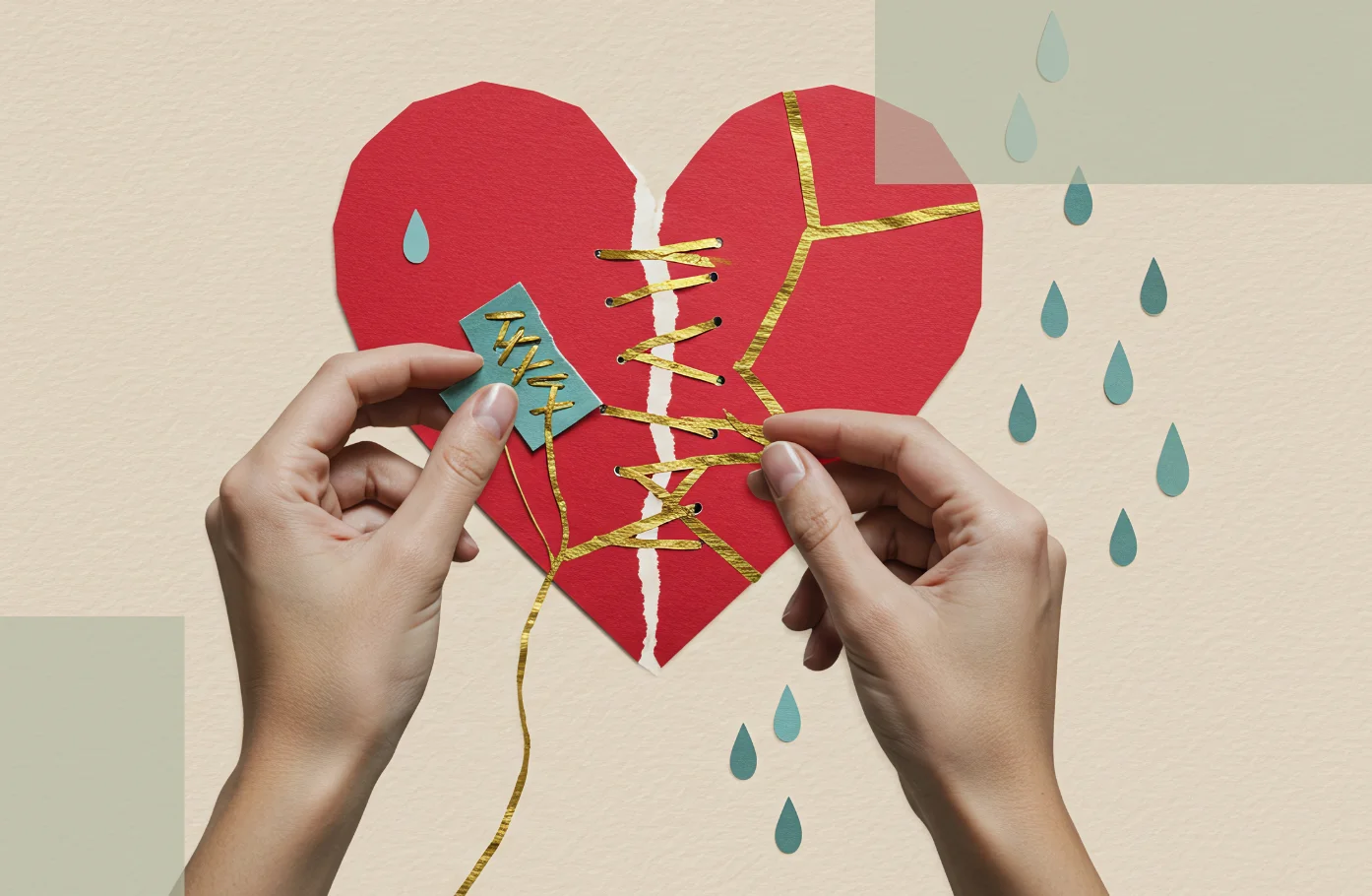
Beyond Hair — Supporting Women in Stress Recovery
Every Evavitae product contributes to women’s wellness programs.
Our bottles are 100% recyclable, and our formulas are vegan and cruelty-free.
Because your recovery deserves care that goes beyond beauty.


certificate20240812_02-768x1086.webp)