
• Home
  • Postpartum
    • Mechanisms
    • Causes & Risks
    • Recovery
    • Scalp Care & Routine
    • Mind & Myths
  • Stress Hair Loss
    • Mechanisms
    • Causes & Risk
    • Recovery Journey
    • Scalp Care & Routine
    • Mind & Myths
  • Shop
    • Track Order
  • Blog
  • Our Story
    • Our Story
    • Dermatest
    • Partner Manufacturer
    • ESG Commitment
    • Evavitae Hair Care Ingredients
  • Contacts
0 0
0 My compare

View Compare

0 0
0 My Wishlist

View Wishlist Add all to cart

My Cart $0.00 0
0 Shopping Cart

No products in the cart.

Return To Shop
Shopping cart (0)
Subtotal: $0.00

View cartCheckout

Spend $350.00 to get free shipping Congratulations! You've got free shipping.

Stress Hair Loss · Causes & Risks

Stress-Induced Shedding Is Never “Just Stress”

Stress hair loss can look sudden on the surface — but biologically, it is driven by multiple overlapping forces, not a single emotional moment.
This hub explains the deeper internal and external factors that trigger shedding, prolong recovery, or make certain people more sensitive to stress-related hair loss.

If you want to understand why your hair is reacting the way it is, and which risks apply most to you, this page walks you through all the core causes and high-risk groups.

Stress Hub: Overview Mechanisms Causes & Risks Scalp Care & Routine Recovery Journey Mind & Myths
Causes and Risk Factors of Stress Hair Loss_ Why It’s More Than Just “Being Stressed”

The Real Causes of Stress Hair Loss

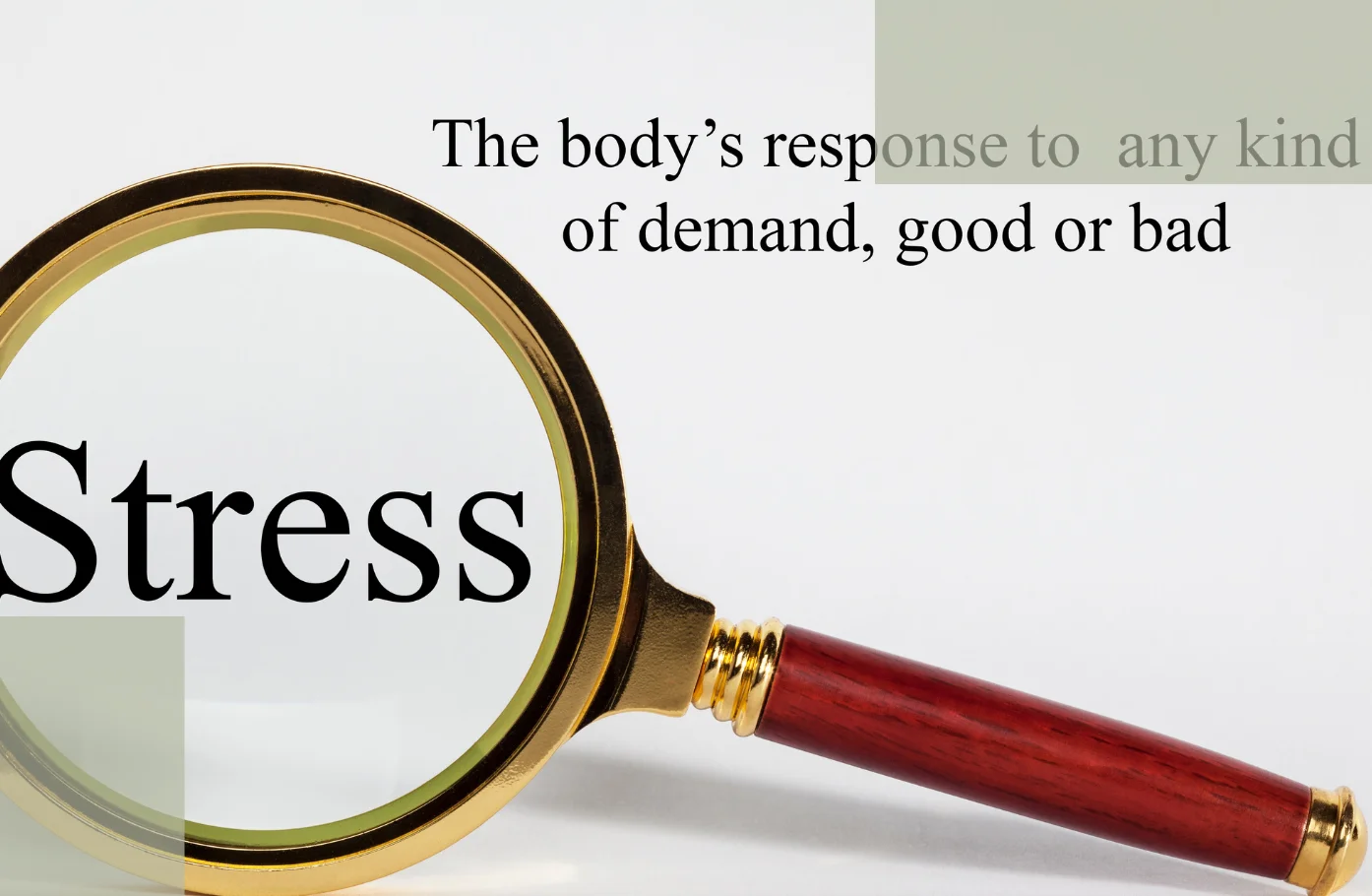
Stress does not cause shedding directly. It creates a chain reaction that affects hormones, nervous system balance, nutrient allocation, sleep cycles, and inflammation — each of which pushes follicles into the resting (telogen) phase.

Start with the foundational overview:
👉 Causes and Risk Factors of Stress Hair Loss — Why It’s More Than Just Being Stressed

For a deeper exploration of what truly initiates shedding:
👉 The Real Causes of Stress Hair Loss — What Actually Triggers Shedding Is More Than Just Stress
Core Biological Causes — The Five Internal Drivers

These five biological pathways explain why shedding does not immediately stop even after stress decreases.

① Long-Term Psychological Pressure

Chronic mental strain keeps the sympathetic nervous system in high alert, delaying follicle recovery.
👉 The First Core Cause of Stress Hair Loss — How Long-Term Psychological Pressure Quietly Prolongs Shedding

② Sleep Deprivation & Circadian Disruption

Poor sleep reduces repair signals and shifts hormones toward catabolic states.
👉 The Second Core Cause — Sleep Deprivation and Circadian Rhythm Disruption

③ Physical Stress Events

Illness, surgery, weight loss, or intense inflammation trigger delayed shedding 4–12 weeks after the event.
👉 The Third Core Cause — Physical Stress Events

④ Insufficient Energy or Nutrient Supply

Even if you “eat enough,” chronic stress can divert nutrients away from hair.
👉 The Fourth Core Cause — Energy & Nutrient Deficiency

⑤ Nervous System “High Alert Mode”

When the nervous system stays sympathetic-dominant, follicles never receive the “safe to grow” signal.
👉 The Fifth & Deepest Cause — Nervous System Stuck in High Alert

The Real Causes of Stress Hair Loss What Actually Triggers Shedding Is More Than Just “Stress”
High-Risk Groups for Stress Hair Loss Why Some People Endure Stress — While Others Start Shedding

High-Risk Groups — Who Is More Likely to Experience Stress Hair Loss?

Stress affects everyone, but not everyone sheds. These groups are biologically more prone to stress-related hair loss and slower recovery.

Group 1: High-Functioning Anxiety Types

People who “perform well under pressure” often don’t notice stress building until shedding starts.
👉 Why High-Functioning Anxiety Types Shed Without Realizing

Group 2: Postpartum Women

Hormonal drop + sleep disruption + stress load = amplified hair sensitivity.
👉 Why Postpartum Women Are More Prone to Prolonged Stress Shedding

Group 3: Chronic Sleep-Deprived Individuals / Shift Workers

Circadian rhythm instability is one of the strongest stress hair loss triggers.
👉 Why Chronic Sleep Disruption Makes Hair the First System to Give Way

Group 4: Those with Overlapping Hair Loss Types

Stress combined with nutrient deficiency, postpartum hormones, or genetic thinning causes slower, unstable recovery.
👉 Why Recovery Is Slower When Stress Overlaps Other Hair Loss Types

Overview of All Risk Groups

👉 High-Risk Groups for Stress Hair Loss — Why Some People Shed More Under Stress

Return to Pillar Page

For a complete overview of symptoms, causes, recovery strategies, and daily care,

visit our Stress Hair Loss Pillar Page.

Stay up to date

Subscribe for postpartum hair care tips, exclusive offers, and product updates.

    * We will never share your email address & you can opt out at any time, we promise.

    • About Us

      • Our Story

      • ESG Commitment

      • Ingredients

      • Commitment To Quality

    • Categories

      • Anti-Hair Loss Shampoo

      • Hair Growth Oil

      • Hair Strengthen Mask

    • Evaviae Hub

      • Blog

      • Postpartum Hair Loss

      • Inside Evavitae

      • FAQ’s

    • Support

      • Look Up Order

      • Return & Refund

      • Terms & Conditions

      • Privacy Policy

    • Contact Us

      • Contact

      • Career with us

      • Become a Partner

    Instagram Linkedin Tik-tok Youtube

    Copyright © 2025 Evavitae