
• Home
  • Postpartum
    • Mechanisms
    • Causes & Risks
    • Recovery
    • Scalp Care & Routine
    • Mind & Myths
  • Stress Hair Loss
    • Mechanisms
    • Causes & Risk
    • Recovery Journey
    • Scalp Care & Routine
    • Mind & Myths
  • Shop
    • Track Order
  • Blog
  • Our Story
    • Our Story
    • Dermatest
    • Partner Manufacturer
    • ESG Commitment
    • Evavitae Hair Care Ingredients
  • Contacts
0 0
0 My compare

View Compare

0 0
0 My Wishlist

View Wishlist Add all to cart

My Cart $0.00 0
0 Shopping Cart

No products in the cart.

Return To Shop
Shopping cart (0)
Subtotal: $0.00

View cartCheckout

Spend $350.00 to get free shipping Congratulations! You've got free shipping.

Stress Hair Loss Mechanism

Understanding the Biological Switches Behind Stress-Induced Shedding

Stress hair loss doesn’t begin on the surface.
It starts deep inside the body—within your nervous system, hormone pathways, circulation, and the follicle’s own repair mechanisms.

This hub walks you through every biological mechanism that connects stress to shedding, helping you finally understand why it happens, why it lasts, and what is truly going on inside the follicle.

If you’d like to explore any topic in depth, each section below links to a full article.

Stress Hub: Overview Mechanisms Causes & Risks Scalp Care & Routine Recovery Journey Mind & Myths
What Is Stress Hair Loss Understanding How Stress Triggers Hair Shedding

What Stress Hair Loss Really Is

Many people think “stress makes hair fall out,” but very few understand how.
Stress hair loss is not random—it follows a predictable physiological pattern where the hair cycle, hormones, and nervous system all shift into a protective mode.

Start with the full overview:
👉 What Is Stress Hair Loss — Understanding How Stress Triggers Hair Shedding

This article explains the foundational mechanism:

  • why shedding increases weeks after the stressful event

  • why the body redirects resources away from hair

  • how follicles enter “energy-saving mode”

Early Warning Signs Most People Miss

Stress hair loss rarely begins with sudden, dramatic shedding.
Before hair falls, the scalp and follicles send subtle signals: oil imbalance, sensitivity, itching, thinning texture, and “weaker” hair that breaks easily.

Learn how to identify early changes:
👉 Typical Signs of Stress Hair Loss — Many Have Been Experiencing It for a While

Recognizing these early signs makes recovery easier and faster.

Typical Signs of Stress Hair Loss Many People Have Actually Been Experiencing It for a While
How Long Does Stress Hair Loss Last Timeline, Shedding Phases, and Recovery

How Long Stress Hair Loss Really Lasts

One of the biggest questions people have is:
“When will it stop?”

Stress hair shedding follows a timeline driven by biology—not willpower.
The body must complete several internal resets before regrowth begins.

Explore the clear timeline here:
👉 How Long Does Stress Hair Loss Last? A Timeline With a Clear Biological Basis

THE FIVE MECHANISMS — The Biological Switches Behind Stress Hair Loss

Stress hair loss isn’t caused by just one factor.
It comes from five major physiological mechanisms, each affecting the follicle in a different way.
Below is your complete guide to each one.

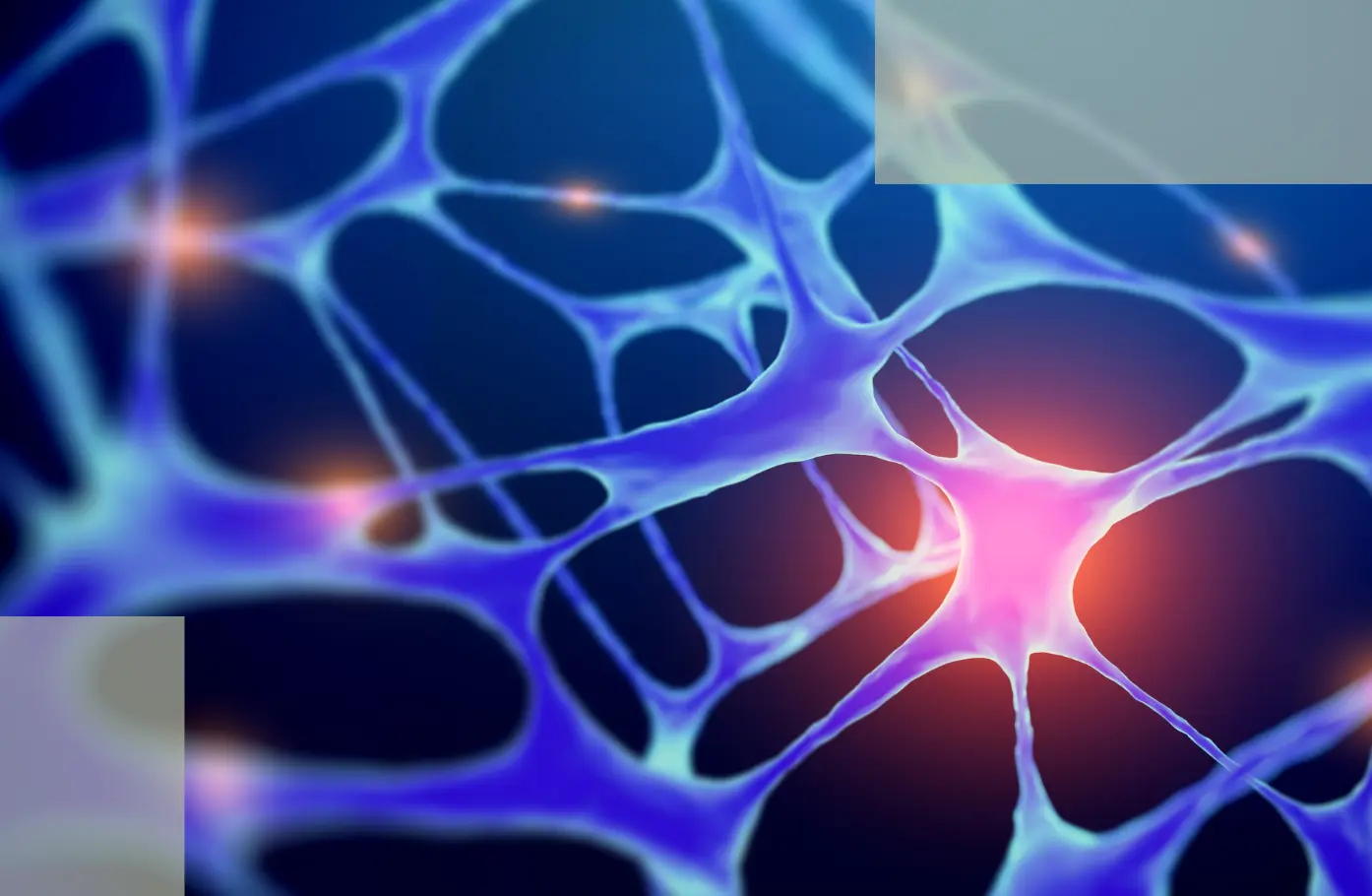
Mechanism 1: Sympathetic Activation Forces Follicles Into Sleep Mode

When stress is chronic, your nervous system stays in “high alert mode.”
This keeps the sympathetic system switched on—and when that happens, follicles are pushed into a shutdown state.

Deep dive into the first switch:
👉 The First Switch of Stress Hair Loss — Why Chronic Sympathetic Activation Forces Hair Follicles Into Sleep Mode

This explains:

  • why the body deprioritizes hair during stress

  • how “danger signals” delay follicle repair

  • why shedding often won’t stop until the nervous system calms

The First Switch of Stress Hair Loss_ Why Chronic Sympathetic Activation Forces Hair Follicles Into “Sleep Mode”

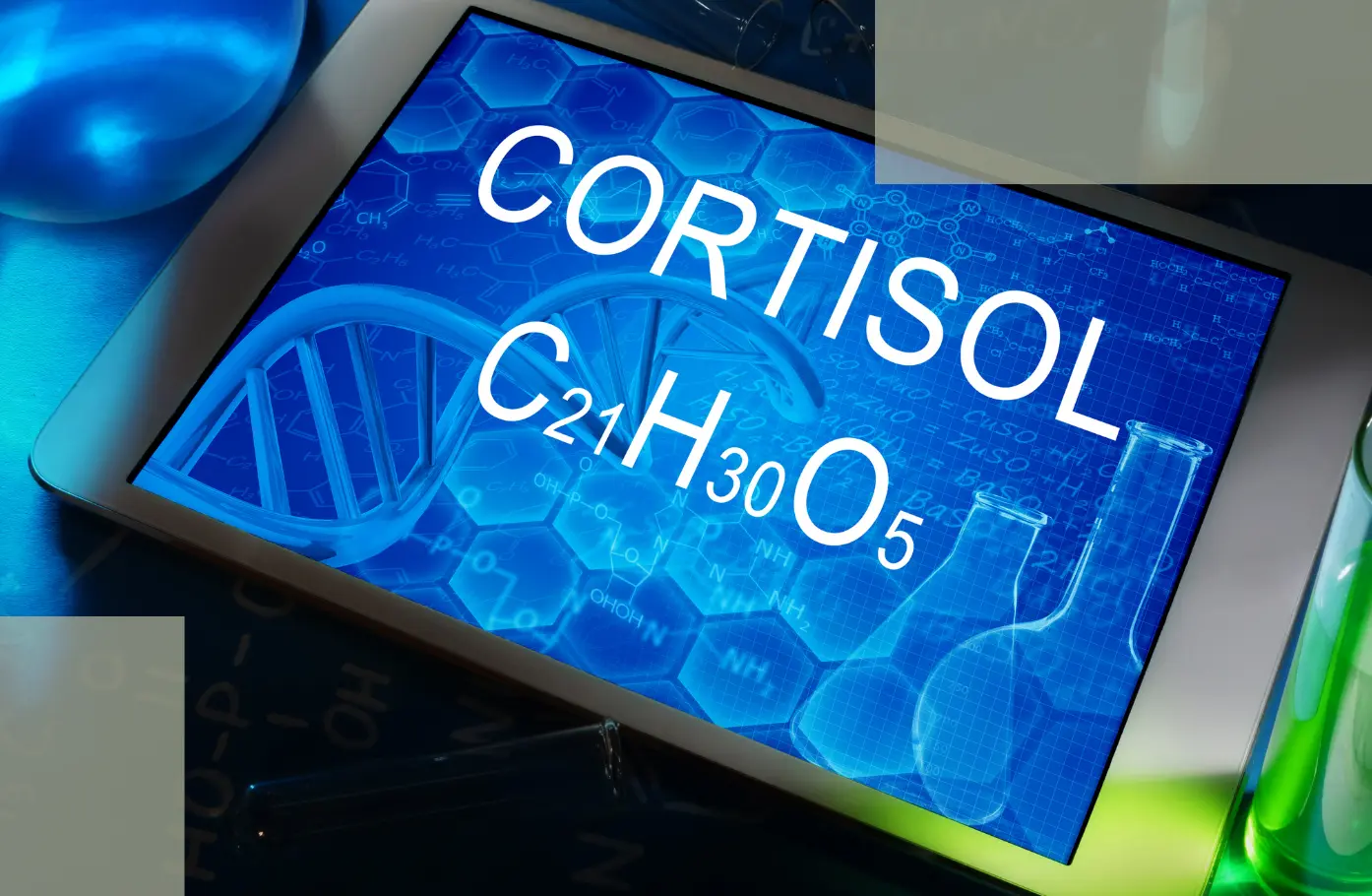
Mechanism 2: Cortisol Presses the Pause Button on Growth

Cortisol is essential for survival—but terrible for hair growth when elevated for too long.

See exactly how cortisol disrupts regrowth:
👉 The Second Mechanism of Stress Hair Loss — Why Cortisol Presses the Pause Button on Hair Growth

Highlights include:

  • how cortisol shortens the anagen (growth) phase

  • why follicles become more fragile

  • how elevated cortisol prolongs shedding months after stress ends

The Second Mechanism of Stress Hair Loss Why Cortisol Presses the “Pause Button” on Hair Growth

Mechanism 3: The Hair Growth Cycle Is Forced Into Pause

Stress does not destroy follicles.
Instead, it interrupts the hair cycle, pushing many strands into telogen (resting phase) at once.

Explore the cycle-level mechanism:
👉 The Third Mechanism of Stress Hair Loss — How the Hair Growth Cycle Is Forcefully Put on Pause

You’ll learn:

  • why mass shedding happens weeks later

  • why new growth cannot start immediately

  • how the cycle eventually resets

The Third Mechanism of Stress Hair Loss_ How the Hair Growth Cycle Is Forcefully Put on Pause

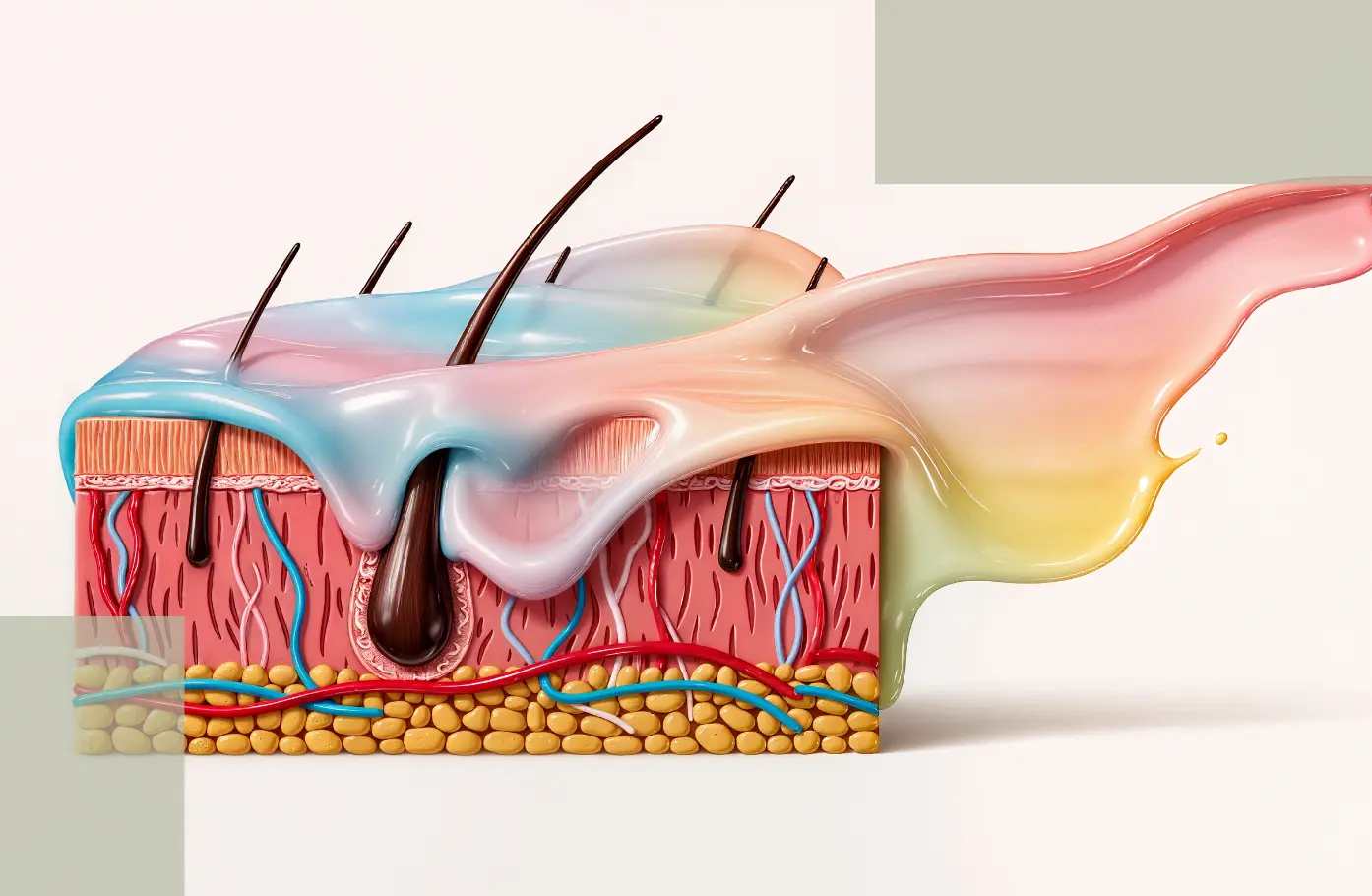
Mechanism 4: Reduced Microcirculation Starves the Follicles

During stress, the body diverts blood flow toward essential organs.
The scalp—being non-essential for survival—gets less circulation.

Read the full explanation:
👉 The Fourth Mechanism of Stress Hair Loss — Why Reduced Microcirculation Leaves the Scalp Under-Supplied

This mechanism affects:

  • oxygen supply

  • nutrient delivery

  • follicle energy production

  • scalp temperature and inflammation

The Fourth Mechanism of Stress Hair Loss Why Reduced Microcirculation Leaves the Scalp “Under-Supplied”

Mechanism 5: Inflammation & Immune Signals Suppress Growth

Stress increases certain inflammatory markers and immune pathways.
These signals can quietly slow growth, thin hair, and prolong recovery.

Explore the immune link:
👉 The Fifth Mechanism of Stress Hair Loss — How Inflammation and Immune Signals Quietly Suppress Hair Growth

Key takeaways:

  • why inflammation makes the scalp more reactive

  • how immune shifts block new hair from entering anagen

  • why sensitive scalps often accompany stress hair loss

The Fifth Mechanism of Stress Hair Loss How Inflammation and Immune Signals Quietly Suppress Hair Growth
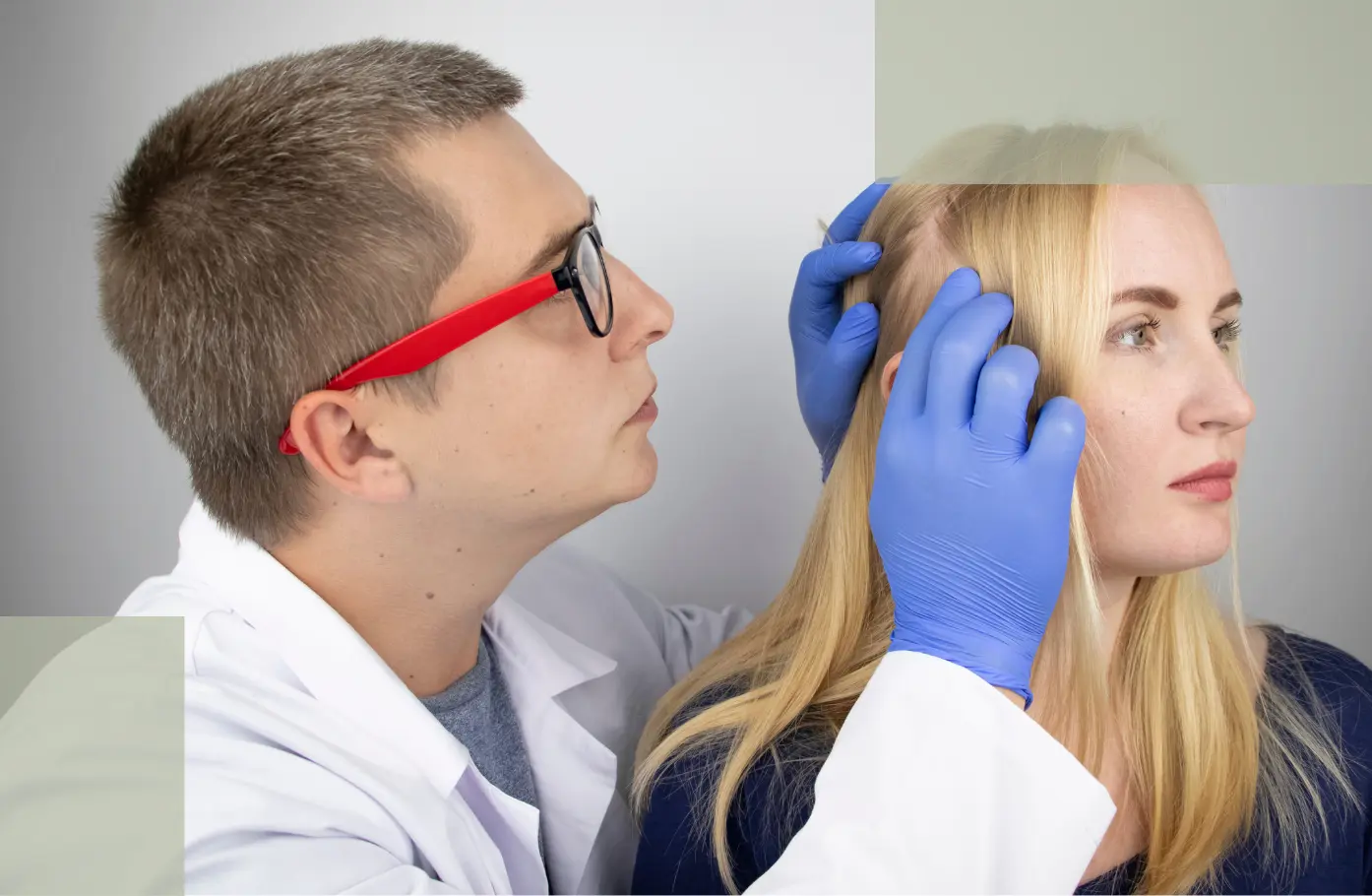
The Physiology Behind Stress Hair Loss_ What’s Really Happening Inside the Body

Bonus Deep Dive: What’s Really Happening Inside the Body

If you want to understand all five mechanisms from a systemic perspective, this article ties everything together:
👉 The Physiology Behind Stress Hair Loss — What’s Really Happening Inside the Body

It provides a full biological map of:

  • hormones

  • nervous system

  • metabolism

  • microcirculation

  • inflammation

  • follicle response

Return to Pillar Page

For a complete overview of symptoms, causes, recovery strategies, and daily care,

visit our Stress Hair Loss Pillar Page.

Stay up to date

Subscribe for postpartum hair care tips, exclusive offers, and product updates.

    * We will never share your email address & you can opt out at any time, we promise.

    • About Us

      • Our Story

      • ESG Commitment

      • Ingredients

      • Commitment To Quality

    • Categories

      • Anti-Hair Loss Shampoo

      • Hair Growth Oil

      • Hair Strengthen Mask

    • Evaviae Hub

      • Blog

      • Postpartum Hair Loss

      • Inside Evavitae

      • FAQ’s

    • Support

      • Look Up Order

      • Return & Refund

      • Terms & Conditions

      • Privacy Policy

    • Contact Us

      • Contact

      • Career with us

      • Become a Partner

    Instagram Linkedin Tik-tok Youtube

    Copyright © 2025 Evavitae