
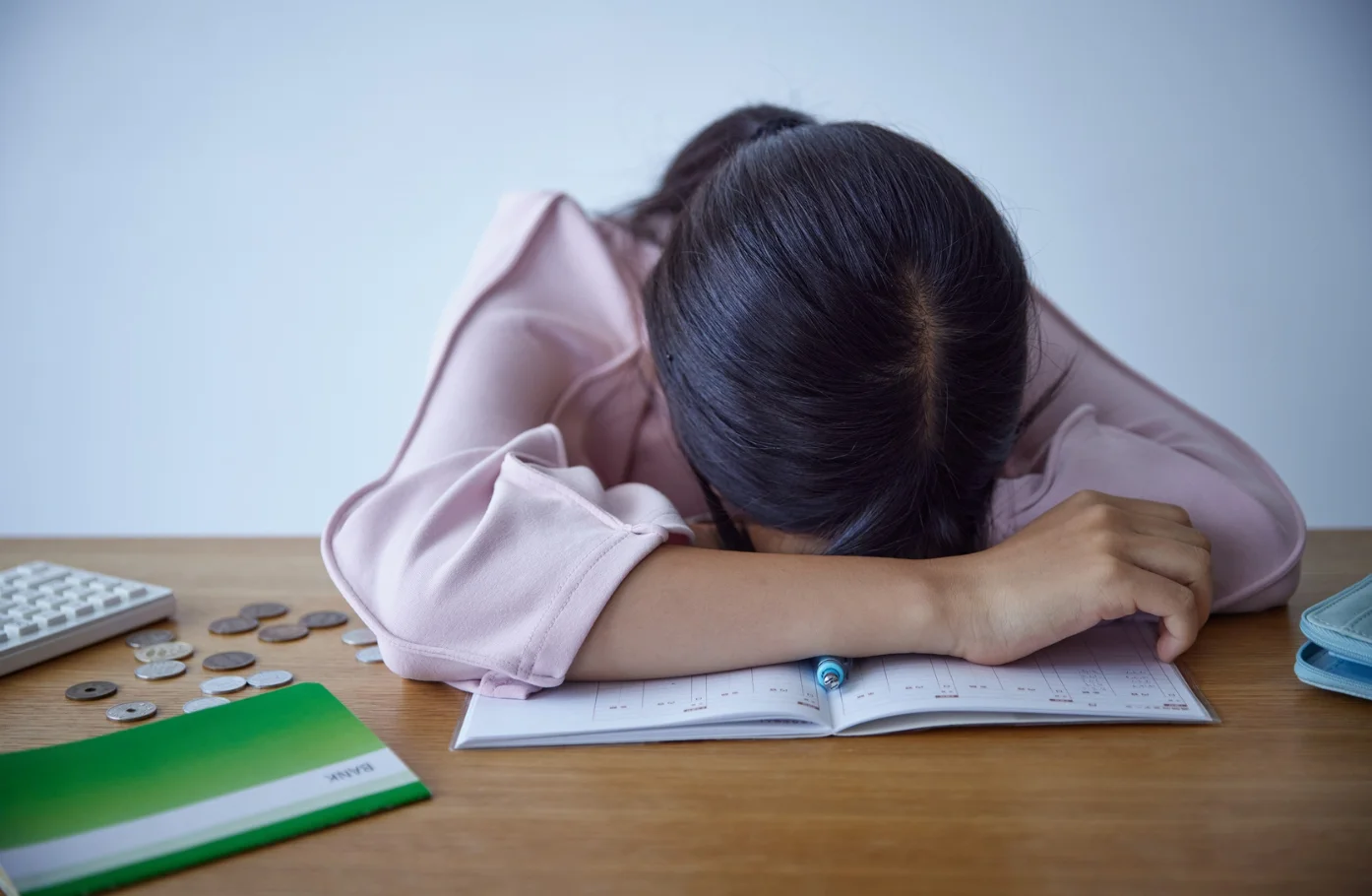
Many people who begin experiencing stress-related hair loss instinctively deny it:
“I wouldn’t say I’m anxious.”
“My emotions are actually pretty stable.”
“I haven’t broken down, felt depressed, or lost control.”
And yet, this exact group of people is one of the most common — and most overlooked — high-risk groups for stress hair loss, especially when shedding is viewed within the broader physiological framework of stress hair loss.
What Is “High-Functioning Anxiety”?
Being functional doesn’t mean being unaffected
“High-functioning anxiety” is not a medical diagnosis.
It’s a very common state marked by the ability to keep going:
• You can work
• You can solve problems
• You can carry responsibility
• You appear calm and efficient
• Emotional outbursts are rare
From the outside, you look like the one who can handle it.
But internally, the body is often operating on emergency mode as a default setting — a pattern repeatedly identified among the core causes of stress hair loss, rather than a personality trait or mindset issue.
High-Functioning Anxiety Is Not “Overthinking”
This distinction matters.
The pressure in high-functioning anxiety does not come from:
• Emotional volatility
• Emotional venting
• Obvious panic or anxiety attacks
Instead, it comes from persistent mental load, such as:
• Habitually anticipating problems in advance
• A mind that never fully powers down
• Staying mentally alert even during rest
• High sensitivity to uncertainty
• Chronically high self-expectation
📌 You’re not “imagining things.”
Your nervous system has been stuck in error-prevention mode for too long.
Why Are High-Functioning Anxiety Types Especially Prone to Stress Hair Loss?
The core reason is simple:
The body doesn’t reduce stress assessment just because you’re coping well.
Physiologically, this group often shows:
• Chronically elevated sympathetic nervous system activity
• Higher baseline cortisol levels
• Insufficient relaxation signals
• Difficulty activating the parasympathetic (“rest and repair”) system
📌 To the body:
“Not breaking down” does not equal safety.
“Pushing through” does not equal rest.
This same vulnerability is often seen in other groups — including postpartum women who are more prone to prolonged shedding under layered stress.
How This State Gradually Disrupts Hair Growth
Step 1: The nervous system defaults to “unstable environment”
Even when life appears calm on the surface, persistent internal pressure trains the nervous system to stay alert.
Step 2: Recovery and growth are systematically delayed
In a prolonged high-alert state, the body prioritizes only:
• Coping
• Maintaining basic function
All processes requiring long-term investment are downgraded — including:
• Hair growth
• Repair pathways
• Microcirculation optimization
This pattern is further intensified in people whose schedules or sleep cycles are disrupted, such as those affected by chronic sleep deprivation or shift-work patterns that make hair the first system to give way.
Step 3: Hair follicles are repeatedly pushed back into rest mode
This typically presents as:
• Ongoing but non-explosive shedding
• Periods of improvement followed by relapse
• Hair loss that flares with even minor stress fluctuations
📌 Not because follicles are weak — but because the system refuses to initiate a long-term project.
Why Does This Type of Hair Loss Feel So Repetitive?
Because the trigger isn’t a single external event — it’s the persistence of the internal state.
Even if you:
• Improve your routine
• Eat better
• Switch to gentler hair care
As long as:
• Mental load hasn’t meaningfully decreased
• The nervous system remains in high alert
The body gives a consistent answer: “Now is not the time to recover.”
In people who already carry other forms of hair vulnerability, this leads to slower and more unstable recovery when stress overlaps with other hair loss types.
Hair Loss Itself Reinforces the Cycle
This creates a painful but common feedback loop:
High alert → shedding → increased attention → desire to control → heightened vigilance
You’re not “overreacting.”
You’re trying to stabilize a system that has already triggered an alarm.
But to the body:
👉 Attention itself signals ongoing risk.
Common Recovery Traps for This Group
❌ Turning recovery into a KPI
• Setting timelines
• Judging progress by visible regrowth
👉 For a high-functioning nervous system, this becomes another performance task.
❌ Trying to “endure a bit longer”
• Waiting until things calm down
• Planning to rest later
👉 The body doesn’t recognize delayed recovery promises.
❌ Using strong stimulation to feel proactive
• High-frequency interventions
• Aggressive scalp stimulation
👉 To the system, this reads as unpredictability — not safety.
At this stage, gentle external support — such as a root-fortifying hair essence designed to help stabilize the scalp environment while internal signals calm down — can be useful, but only when it is not paired with pressure, urgency, or forced expectations.
A Critical Reframe
High-functioning anxiety–related hair loss is not because you’re fragile.
It’s because you haven’t been allowed to truly let go for a long time.
Your body simply pressed the brakes before you did.
Final Thoughts
If you’re reading this and thinking:
“This feels uncomfortably accurate.”
That’s not a coincidence.
👉 High-functioning anxiety types are often the last to admit they’re exhausted.
Recovery doesn’t begin with doing more — it begins with lowering the system’s alert level.
When the nervous system finally trusts that constant vigilance is no longer required, hair follicles are once again allowed to enter a growth phase.