
Evavitae Gentle Science · The Dual-Path Recovery Model
Postpartum hair loss is never caused by a single factor. Instead, it results from a complex combination of physiological shifts:
- sudden hormonal drop
- falling ferritin
- sleep deprivation
- heightened stress
- increased inflammation
All of these push hair follicles into the telogen (resting) phase, temporarily pausing growth.
Because postpartum shedding is multifactorial, recovery must also be multi-directional:
- Topical care → improves the scalp environment
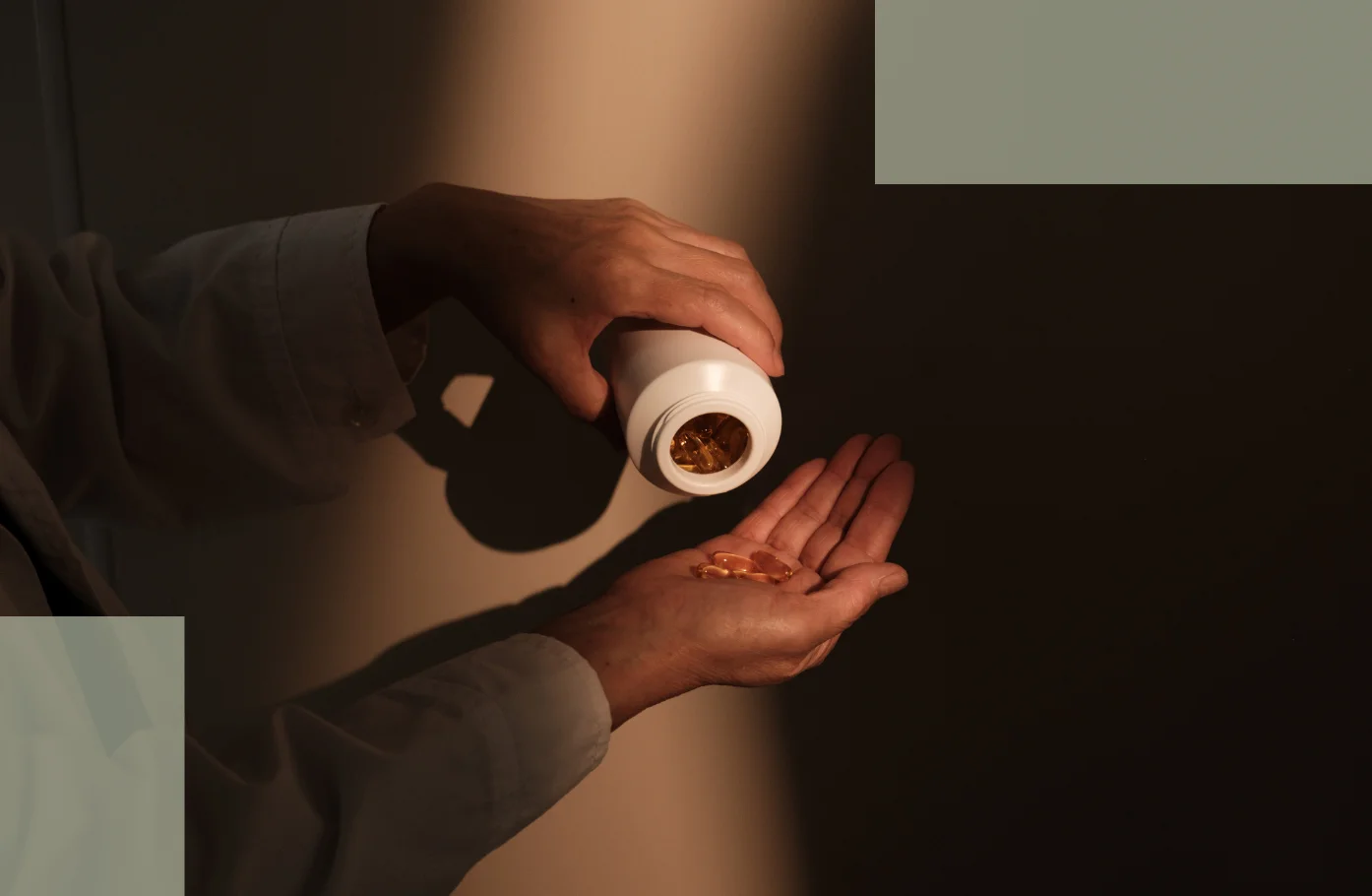
- Internal nourishment → supports the body’s ability to restart hair growth
At Evavitae, our entire philosophy is built on a dual-pathway model:
Topical Care × Internal Nourishment
= the fastest, safest, and gentlest postpartum recovery
This article explains the model in a clear and practical way.
I. Topical Care: Improving the Scalp Environment So Follicles Can Recover
Topical care is not meant to force hair to grow overnight.
Its purpose is to create a stable, calm, and balanced scalp environment where resting follicles can regain the ability to re-enter the growth phase.
For mothers experiencing itching, flaking, or postpartum inflammation, our postpartum scalp care guide offers a detailed breakdown of how to stabilize the scalp during recovery.
Within the Evavitae system, topical care includes:
- gentle shampoo (cleansing & balancing)
- nourishing scalp oil (barrier & microcirculation support)
- repair mask (hydration, strength, elasticity)
Topical care works through five core mechanisms:
✔ 1. Reducing Scalp Inflammation
Postpartum inflammation is extremely common due to:
- hormonal fluctuations
- zinc deficiency
- poor sleep
- sudden changes in sebum production
Topical care helps:
- soothe sensitivity
- reduce redness and irritation
- rebalance the scalp microbiome
- calm micro-inflammation
This is the first and most essential step before hair can regrow.
✔ 2. Strengthening the Scalp Barrier
Postpartum sebum instability → weaker barrier → increased sensitivity.
Topical products can:
- repair the stratum corneum
- improve hydration
- reduce stinging and tightness
A healthy scalp barrier = healthy soil for new growth.
✔ 3. Improving Microcirculation
Sleep loss and stress reduce blood flow to the scalp.
Scalp oils + massage can significantly enhance microcirculation.
Better circulation means:
- more oxygen delivered to follicles
- nutrients can reach the scalp efficiently
- growth phase is easier to restart
This is a core element of the Evavitae scalp care routine.
✔ 4. Activating Telogen Follicles
When inflammation decreases, circulation improves, and the barrier stabilizes:
→ follicles regain the ability to exit the resting phase
→ new hairs can break through the scalp
Topical care doesn’t “grow” hair —
it prepares follicles so they can grow.
✔ 5. Reducing Breakage
Many postpartum mothers think they are “losing huge amounts,” but much of it is a mix of shedding + breakage.
A rich repair mask can:
- increase strand flexibility
- restore keratin structure
- make detangling smoother
- dramatically reduce “shower hair fall”
Less breakage = more visible density.
Postpartum sebum instability, inflammation, and circulation issues are also shaped by internal factors. For a deeper understanding of how the body influences scalp behavior, see our explanation of why internal mechanisms determine recovery speed.
II. Internal Nourishment: Determines Whether Follicles Can Re-Enter the Growth Phase
This is the most overlooked yet most critical part of postpartum recovery.
For a follicle to re-enter anagen, the body must have:
- sufficient iron
- adequate vitamin D
- stable blood sugar
- enough protein
- low stress hormones
- hormones gradually returning to balance
Many mothers are unsure which supplements are safe while breastfeeding. Our supplement safety guide for breastfeeding mothers explains what’s safe, what to avoid, and why.
Topical care improves the environment.
Internal nutrition restores the engine.
Internal nourishment influences:
✔ 1. Whether Follicles Can Exit Telogen
If iron, vitamin D, or B-vitamins are low:
- follicles “stay asleep”
- shedding lasts 9–18 months
- new growth is thin, soft, slow
With proper nutrition:
- follicles restart faster
- new hairs grow thicker and stronger
✔ 2. Hair Growth Speed
Hair growth depends on:
- oxygen (iron)
- energy (B-complex)
- building materials (protein)
When the body is under-nourished, it shuts down non-essential functions—
and unfortunately, hair growth is non-essential.
When nutrition is sufficient:
- follicles become active
- growth speed returns to normal
✔ 3. Strand Thickness and Density
Proper internal support results in:
- thicker individual hairs
- stronger roots
- better lift and volume
- less breakage
To see how diet, stress, sleep, and daily choices impact postpartum biology, visit our overview of hidden lifestyle factors that shape recovery speed.
If you prefer a structured, easy-to-follow supplement plan, the Postpartum Hair Supplement Guide explains the simplest and most sustainable routine.
III. Why Recovery Is Fastest When Both Paths Work Together
(Evavitae Dual-Path Model)
Topical care = improve environment
Internal nutrition = activate follicles
Their relationship is like:
“cleaning the battlefield” + “sending supplies to the army”
Only then can the army regain full strength.
- Only topical care?
The environment improves, but follicles lack the “power” to grow.
- Only internal nutrition?
Follicles are ready, but inflammation, oil imbalance, and poor circulation slow recovery.
- Both together?
Follicles have both the right environment and the resources they need.
Recovery accelerates significantly.
For mothers who want to understand how internal supplementation accelerates follicle activation, see: how internal care speeds up postpartum recovery.
IV. Recovery Timeline: What Happens When Topical + Internal Care Are Combined
Based on Evavitae’s observations and user data:
✔ Month 3: Baby Hairs Begin to Appear
- follicles exit telogen
- inflammation decreases
- circulation improves
- early anagen begins
These soft, short baby hairs are an excellent sign.
✔ Month 6: Noticeable Density Improvement
You may see:
- a narrower part line
- new growth along the hairline
- more lift at the crown
- reduced shedding
This marks the second stage of recovery.
✔ Month 9–12: Near Pre-Pregnancy Density
This is the typical full-cycle recovery period.
You’ll notice:
- stronger, thicker strands
- restored density
- minimal breakage
- shedding back to normal (50–100/day)
This is the “finish line” of the postpartum recovery journey.
Conclusion:
Evavitae’s Recovery Philosophy Is Always Dual-Path, Not Single-Method
Postpartum hair loss can’t be solved with one product or one nutrient.
Evavitae’s core logic:
- Topical care prepares the scalp for recovery.
- Internal nutrition gives follicles the ability to recover.
Together, they form the fastest, most scientific, and most gentle postpartum hair restoration model.
Want a deeper look at the recovery phases and what to expect month by month? Visit our Postpartum Hair Loss timeline guide.
For mothers who want ingredient transparency and a deeper science breakdown, see our complete ingredient science guide.
Sensitive scalps often benefit from a calm, low-foam formula such as the Evavitae Root Fortifying Hair Essence.