
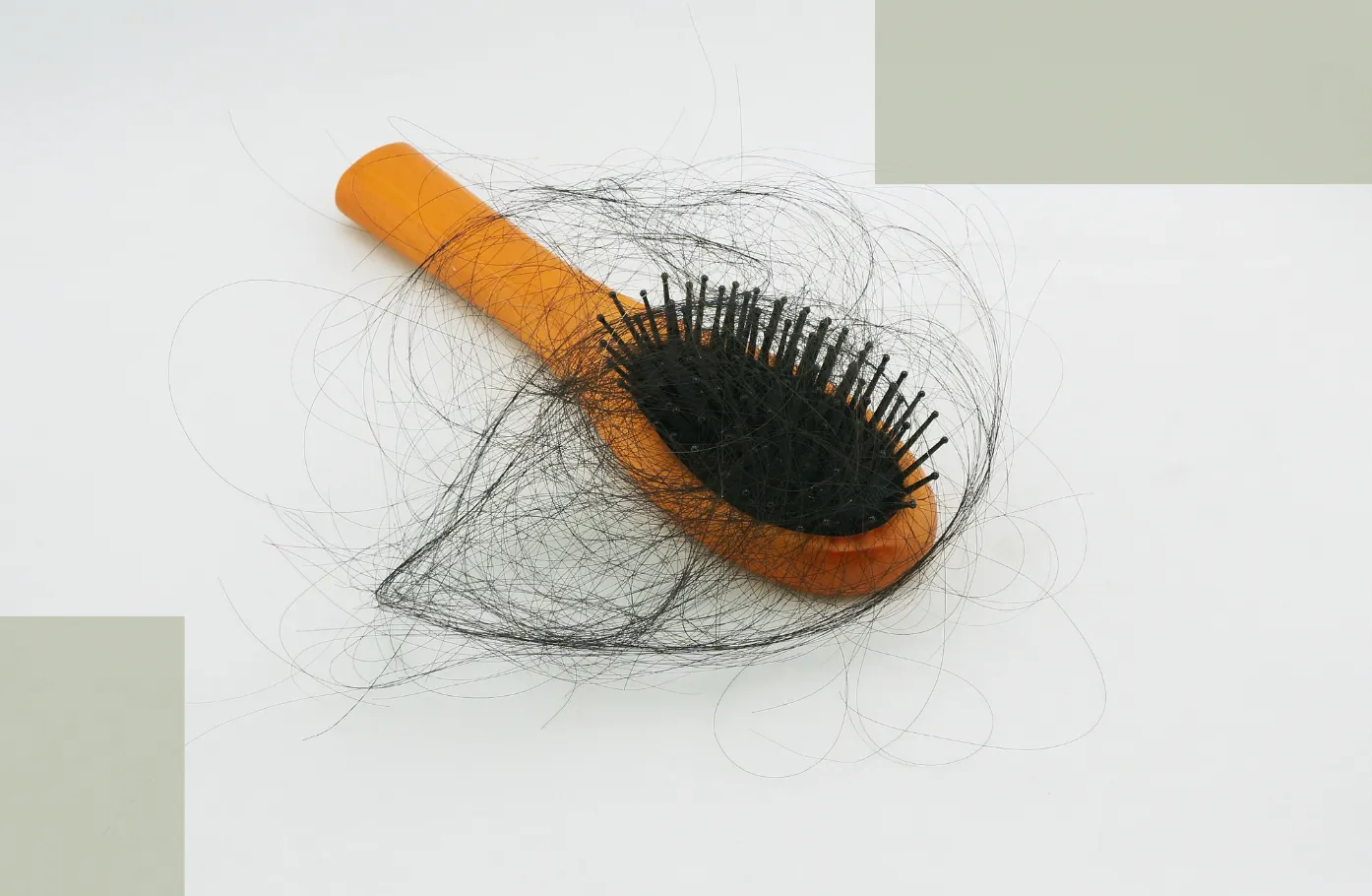
How to Prevent Postpartum Hair Loss Naturally
Postpartum hair loss often seems unavoidable, but early, consistent care can minimize its impact. While you can’t completely stop hormonal shedding, you can build habits that keep your scalp healthy and resilient—helping your hair recover faster and stronger.
This guide walks through natural ways to support your hair before and during the postpartum phase, focusing on scalp care, washing habits, and lifestyle balance.
Building a Preventive Scalp Routine
Healthy hair begins with a healthy scalp. After pregnancy, hormonal fluctuations can leave the scalp dry, sensitive, or oily, depending on individual physiology. Proactive maintenance before shedding starts can make all the difference.
1. Start gentle scalp massage early
Light, circular massage with fingertips stimulates blood flow and enhances nutrient delivery to follicles. According to WebMD (2024), daily massage increases scalp microcirculation, supporting the transition of follicles into the growth (anagen) phase more efficiently.
Use a few drops of nourishing oil—like jojoba, rosemary, or batana—two to three times weekly. These oils strengthen the scalp barrier and reduce inflammation without clogging pores.
2. Exfoliate once weekly
Hormonal changes can cause excess buildup or dandruff. Using a mild scalp exfoliant removes residue, improves oxygen exchange, and preps follicles for healthy regrowth. Avoid harsh scrubs; opt for products formulated for sensitive scalps.
3. Strengthen with peptides and light serums
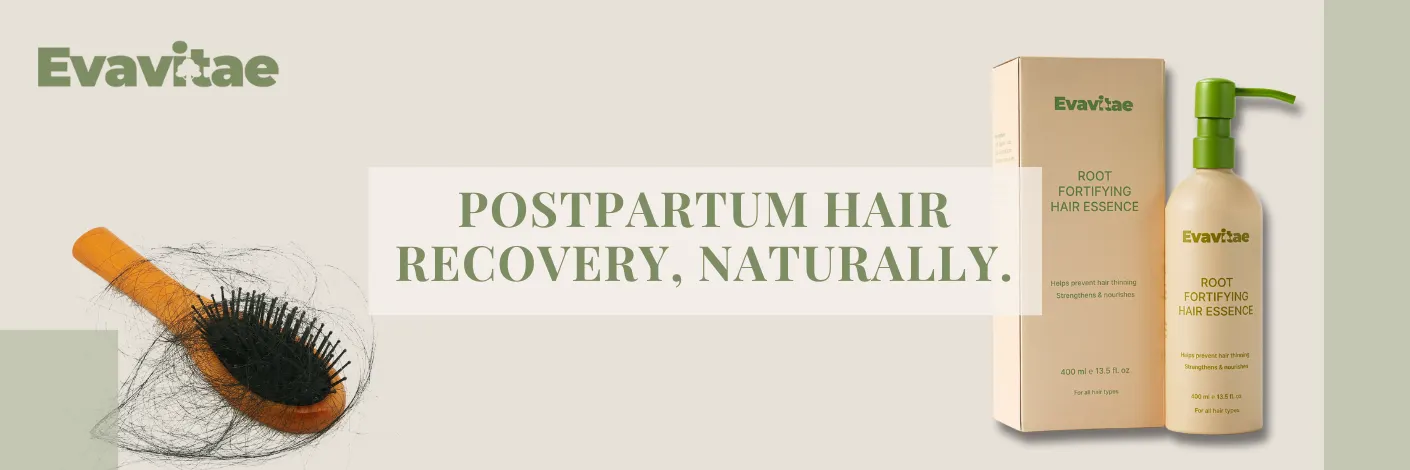
Incorporating a lightweight essence, like the Evavitae Root Fortifying Hair Essence, provides gentle reinforcement. Its peptide and biotin blend supports root strength and soothes postpartum irritation.
For daily guidance on small habits that protect scalp health, explore Daily Habits to Prevent Postpartum Hair Loss Before It Starts.
Gentle Washing Habits for Fragile Hair
Your washing routine can either protect or weaken new hair growth. The goal is to cleanse without stripping natural oils or stressing follicles.
1. Use mild, sulfate-free shampoo
Sulfates (SLS/SLES) can over-cleanse and irritate sensitive postpartum scalps. Choose fragrance-free or naturally scented options with moisturizing agents like glycerin or aloe vera.
2. Focus shampoo on the scalp only
Massaging shampoo directly onto the scalp—not the hair lengths—prevents tangling and reduces breakage. Let the suds naturally cleanse the ends as you rinse.
3. Avoid overwashing
Washing every 2–3 days helps maintain sebum balance. Overwashing can lead to dryness, while underwashing may cause buildup that blocks follicles.
4. Dry gently
Pat hair with a soft towel instead of rubbing. Avoid tight hairstyles, heat tools, or brushing wet hair, which is most vulnerable to snapping.
A Mount Sinai Health System (2023) review emphasizes that reducing mechanical stress (from brushing, tight ponytails, and friction) can cut breakage by over 40%.
To learn how to reinforce roots and soothe scalp sensitivity after washing, check Choosing the Best Shampoo for Postpartum Hair Loss: Ingredients That Matter.
Balancing Diet, Rest, and Care
True prevention happens both inside and out. Balanced nutrition, emotional rest, and gentle haircare work together to support long-term scalp health.
1. Prioritize protein and micronutrients
Hair is made mostly of keratin—a protein that relies on amino acids and vitamins to form. A Johns Hopkins Medicine (2024) report confirms that diets low in iron, zinc, and vitamin D correlate with delayed postpartum regrowth. Include lean meats, leafy greens, lentils, and eggs to maintain nutrient supply.
2. Manage stress and sleep
Stress elevates cortisol, which can prematurely push follicles into the resting (telogen) phase. Small mindfulness practices—such as deep breathing or short naps when possible—help regulate hormonal balance.
3. Hydrate and move
Drinking enough water supports cellular metabolism. Light exercise improves circulation, which is essential for scalp oxygenation and nutrient delivery.
4. Embrace simplicity
Don’t overload your scalp with too many oils or treatments at once. Consistency and moderation work better than constant experimentation.
If you’re already noticing mild shedding, try adapting these habits instead of overreacting. For additional easy adjustments, read Simple Changes That Can Reduce Postpartum Hair Loss.
Your Preventive Timeline
Stage | What to Focus On | Why It Matters |
Late pregnancy | Start scalp massage, eat nutrient-rich meals | Prepares follicles for hormonal changes |
Weeks 1–8 postpartum | Gentle washing routine, mild cleanser | Reduces scalp irritation and oil imbalance |
Months 3–6 postpartum | Add peptides/oil treatments | Supports recovery as shedding peaks |
Months 6–12 | Continue balanced care | Promotes regrowth and restores density |
Even if shedding begins, staying consistent with this timeline ensures smoother, faster recovery.
Your Takeaway
You can’t stop postpartum hair loss completely, but you can soften its impact through mindful, gentle routines.
Protect your scalp, nourish your body, and allow your hair to follow its natural rhythm of renewal.
See how small habits create lasting change → discover more in our Scalp Care Routine category.
For a full overview of causes, remedies, and safe products, visit our Comprehensive Postpartum Hair Loss Resource.
References (APA Style)
- WebMD. (2024). Scalp massage and circulation: Natural methods to improve hair growth. Retrieved from https://www.webmd.com
- Mount Sinai Health System. (2023). Mechanical stress and postpartum hair fragility. Retrieved from https://www.mountsinai.org
- Johns Hopkins Medicine. (2024). Postpartum nutrition and hair regrowth correlations. Retrieved from https://www.hopkinsmedicine.org
Evavitae products are now available exclusively at www.evavitae.com.

Add comment
You must be logged in to post a comment.