
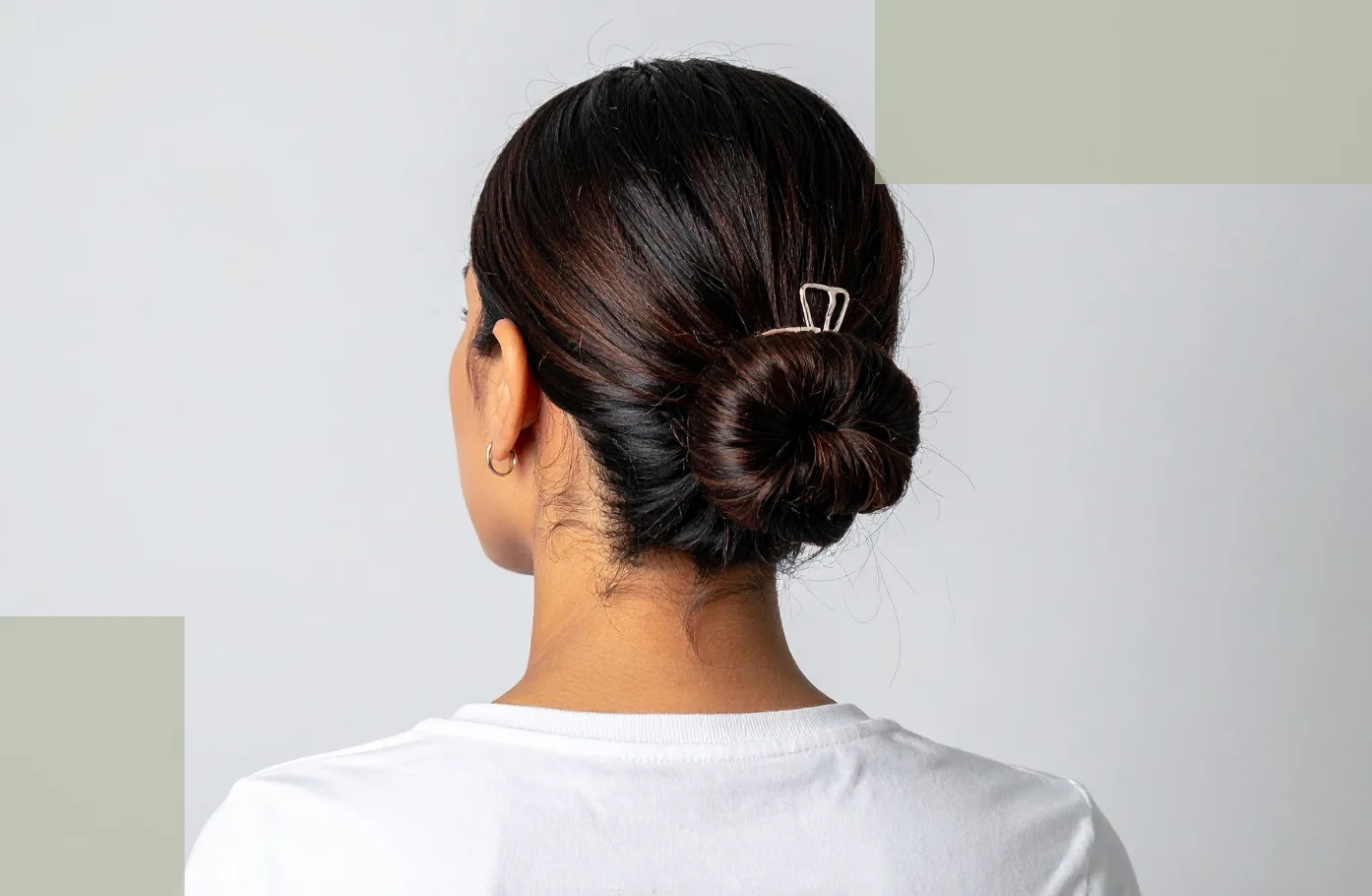
What “Stopping Hair Loss” Really Means
For many new mothers, noticing handfuls of hair in the shower can be deeply unsettling. But “stopping hair loss” doesn’t mean forcing your body to do something unnatural—it means supporting your scalp and follicles as they recover from hormonal changes.
Postpartum hair shedding, also called telogen effluvium, occurs when estrogen and progesterone levels drop after childbirth. This shift causes many hair follicles to enter a resting phase, leading to shedding several weeks later. Dermatologists emphasize that this process is temporary and self-correcting, typically lasting three to six months (American Academy of Dermatology, 2024).
Instead of searching for quick fixes or aggressive treatments, the goal is to reduce breakage, minimize scalp irritation, and accelerate healthy regrowth through gentle, science-informed care.
Avoiding Harsh Formulas
The first and most impactful step in reducing postpartum hair loss is eliminating irritants from your daily hair routine. Many commercial hair products contain compounds that can disrupt the scalp’s natural barrier and aggravate sensitivity—especially during hormonal recovery.
Sulfates, Silicones, and Synthetic Fragrances
Sulfates (like sodium lauryl sulfate) create foam but also strip away protective oils, leaving the scalp dry and reactive.
Silicones may temporarily smooth hair but can build up, blocking follicles and preventing nutrient absorption.
Synthetic fragrances and artificial dyes are frequent culprits of irritation, particularly when the scalp is already inflamed or sensitive.
A 2023 PubMed review found that switching to mild, sulfate-free shampoos improved scalp hydration and reduced inflammation in individuals experiencing telogen effluvium. This evidence reinforces a key principle: postpartum scalps need supportive, not stripping formulations.
By removing aggressive surfactants and artificial additives, you help your scalp restore its own balance—a foundation for long-term regrowth.
Natural Helpers Backed by Research
Nature provides many gentle yet effective solutions for supporting hair regrowth. Research shows that certain plant oils, vitamins, and antioxidants can improve follicle activity and scalp health without irritation.
Examples include:
- Rosemary oil – increases scalp circulation and may encourage hair density (NIH, 2023).
- Biotin – supports keratin production and reduces breakage in biotin-deficient individuals.
- Batana oil and argan oil – rich in oleic and linoleic acids that strengthen the scalp barrier and nourish follicles.
For an in-depth guide on plant-based ingredients and how to use them safely, explore Natural Remedies for Postpartum Hair Loss: What Really Works.
These natural approaches not only minimize exposure to harsh chemicals but also complement your body’s own recovery cycle.
Strengthening the Scalp Barrier
The scalp barrier is the skin’s protective layer that retains moisture and shields follicles from irritation. When compromised—often due to harsh shampoos, stress, or hormonal imbalance—it can lead to increased shedding and delayed regrowth.
To rebuild it, dermatologists recommend hydration-first care: using pH-balanced products and light scalp massages to stimulate circulation. Look for ingredients such as panthenol, vitamin E, and glycerin, which improve scalp elasticity and moisture retention.
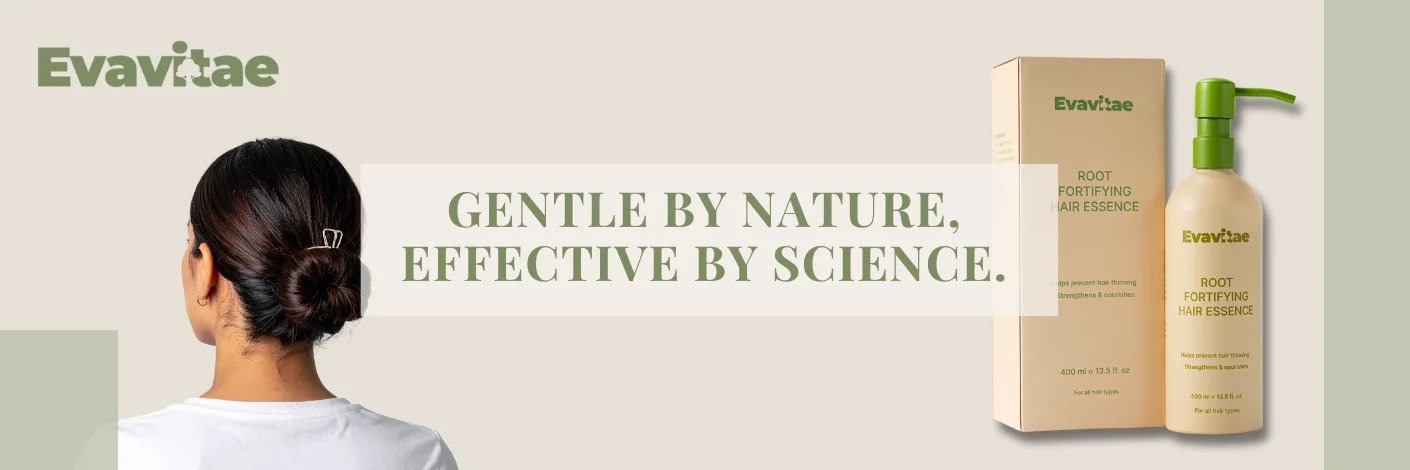
You can also incorporate gentle leave-in products, such as the Evavitae Root Fortifying Hair Essence, formulated for sensitive scalps. Its lightweight blend of natural oils and biotin helps strengthen hair at the root level without synthetic fragrances or silicones.
For lifestyle tips that support scalp resilience—like mindful washing habits, stress management, and balanced nutrition—read our companion article on Daily Habits to Prevent Postpartum Hair Loss Before It Starts.
Try clinically tested, gentle care → choose science-backed routines that heal your scalp instead of fighting it.
When to Combine Treatments
Gentle topical care and good nutrition form the foundation of recovery, but for some mothers, a combination approach may work best. If your shedding feels excessive or persists beyond a year, consult a dermatologist to rule out thyroid dysfunction or anemia.
Medical professionals may recommend temporary use of low-concentration minoxidil, vitamin supplementation, or professional scalp therapy. However, always confirm safety for postpartum or breastfeeding stages.
Blending science and self-care—rather than chasing instant “stop hair loss” solutions—is what ensures lasting improvement.
Long-Term Recovery: What to Expect
Even with the most diligent routine, postpartum regrowth takes time. Most women notice new baby hairs forming around their temples or hairline between four to six months postpartum. By 12 months, shedding usually normalizes and density returns.
Maintaining consistent gentle care is the key. Returning to harsh styling, over-washing, or skipping nutrition often triggers renewed fragility. Your goal isn’t simply to “stop” hair loss, but to create a balanced environment for new growth—safely, patiently, and naturally.
For more educational resources, visit our Hair Loss 101 category for science-backed guidance on postpartum hair care and recovery strategies.
Read more about restoring hair health naturally in the Postpartum Hair Shedding Recovery Hub.
References (APA Style)
- American Academy of Dermatology. (2024). Postpartum hair loss: What to expect and how to manage it. Retrieved from https://www.aad.org
- National Institutes of Health. (2023). Rosemary oil and hair growth: A comparative study with minoxidil. Retrieved from https://pubmed.ncbi.nlm.nih.gov
- PubMed Central. (2023). Sulfate-free formulations and scalp hydration improvement: A clinical review. Retrieved from https://pmc.ncbi.nlm.nih.gov
Evavitae products are now available exclusively at www.evavitae.com.

Add comment
You must be logged in to post a comment.