
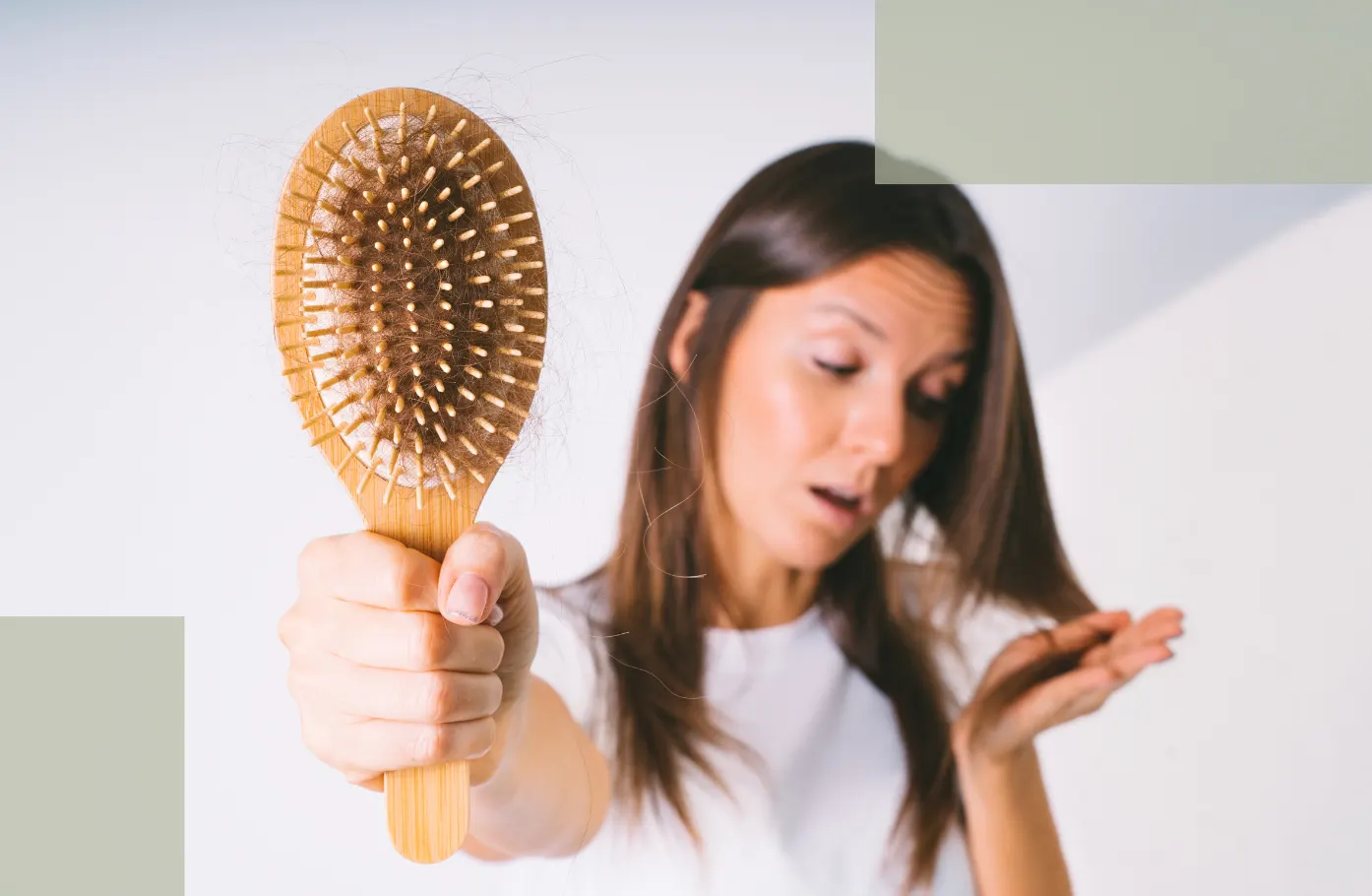
Postpartum hair loss can feel unpredictable—but in reality, it follows a fairly consistent biological rhythm. Knowing what to expect at each stage can ease anxiety and help you focus on gentle, supportive care rather than fear or frustration.
Below is a timeline that outlines the typical phases of postpartum hair shedding and recovery, from the first few weeks after childbirth to a full year later.
Month 1–3: Why Shedding Peaks
During pregnancy, high estrogen levels keep your hair in the anagen (growth) phase, resulting in fuller, thicker strands. After delivery, hormone levels drop sharply—especially estrogen and progesterone. This shift signals more follicles to enter the telogen (resting) phase.
By the second or third month postpartum, the hair that stayed attached during pregnancy begins to fall out all at once, often appearing as “clumps” in the shower drain or on your pillow.
Dermatologists call this temporary condition postpartum telogen effluvium. According to the American Academy of Dermatology (2024), this is a normal, non-scarring form of shedding that usually peaks between 8–12 weeks postpartum.
What you might notice:
- Increased shedding when brushing or washing
- Thinner ponytails or visible scalp around the temples
- Hairline recession (especially near the forehead)
While it can be emotionally distressing, it’s essential to remember that this shedding is the body’s way of resetting its hair cycle, not permanent damage.
Tip: During this stage, focus on maintaining scalp cleanliness and avoiding tight hairstyles or harsh shampoos. Choose mild, fragrance-free formulations and minimize heat styling to reduce breakage.
For a detailed overview of how gentle treatments can help during this phase, revisit our main guide: Postpartum Hair Loss Treatment: From Science to Natural Recovery.
Month 4–6: Signs of Stabilization
By the fourth month, most mothers notice that shedding gradually slows down. This is the period when the scalp begins recalibrating hormone activity, and new baby hairs—often short and fine—start to emerge.
A study published in the Cleveland Clinic Journal of Medicine (2023) found that hair shedding typically returns to baseline within six months postpartum, though mild thinning may persist in some individuals due to stress, nutritional gaps, or thyroid imbalances.
Common signs of stabilization include:
- Reduced daily hair fall
- Tiny new hairs visible around the hairline
- Scalp feels less irritated or oily
This stage is also when self-care begins to pay off. Gentle scalp massages, balanced nutrition, and adequate sleep all contribute to faster recovery.
If you’re wondering when this shedding will finally stop and your hair will feel “normal” again, explore our detailed article on When Does Postpartum Hair Loss Stop?. It shares real recovery stories that highlight just how diverse—but ultimately reassuring—this process can be.
Pro Tip: Incorporate soothing leave-in products like the Evavitae Root Fortifying Hair Essence during this period. Formulated without sulfates, silicones, or synthetic fragrances, it nourishes follicles while maintaining the scalp’s protective barrier—essential for mothers with sensitive skin.
Month 7–12: Visible Regrowth
By month seven, the shedding has usually subsided significantly. This is when real regrowth becomes noticeable, and your hair’s natural density starts returning. The baby hairs that appeared in earlier months begin to thicken and blend into your overall texture.
At this point, maintaining consistent care becomes more important than introducing new products. Many women are tempted to return to aggressive styling or frequent coloring once the worst has passed—but patience is key.
Dermatologists note that full restoration of volume can take 9–12 months postpartum, depending on genetics, stress levels, and lifestyle habits (Mayo Clinic, 2024).
Here’s what to focus on during this phase:
- Continue using gentle, sulfate-free cleansers
- Prioritize scalp hydration with oils rich in vitamin E and fatty acids
- Support your diet with iron, zinc, and protein-rich foods
- Protect your hair from UV exposure and harsh weather
Emotional recovery also plays a role. Many mothers find that as their hair begins to grow back, so does their confidence. For an inspiring look at emotional and physical recovery, visit Regrowing Confidence: Your Postpartum Hair Recovery Journey.
Looking Beyond the Timeline
It’s natural to compare your progress with others, but every postpartum journey is unique. Some women notice visible improvement by month six, while others take a full year for regrowth to feel complete.
The key is to focus on consistency and self-care—not speed. Regular scalp maintenance, balanced nutrition, and the right gentle formulations will always support your recovery process, regardless of your personal timeline.
If you’re uncertain whether your shedding pattern is typical, consult a dermatologist to rule out thyroid issues, iron deficiency, or postpartum stress-related alopecia.
Your Takeaway
Hair loss after childbirth is a temporary phase—not a permanent change. Understanding the timeline helps transform anxiety into patience and proactive care.
Gentle consistency is your greatest ally: mild cleansers, nourishing oils, and adequate rest all work in harmony with your body’s natural healing rhythm.
Read more about restoring hair health naturally in the Postpartum Hair Shedding Recovery Hub.
References (APA Style)
- American Academy of Dermatology. (2024). Postpartum hair loss: What to expect and how to manage it. Retrieved from https://www.aad.org
- Cleveland Clinic Journal of Medicine. (2023). Hormonal hair shedding after pregnancy: Course and management. Retrieved from https://www.ccjm.org
- Mayo Clinic. (2024). Hair loss (alopecia): Diagnosis and recovery timeline. Retrieved from https://www.mayoclinic.org
Evavitae products are now available exclusively at www.evavitae.com.


Add comment
You must be logged in to post a comment.