
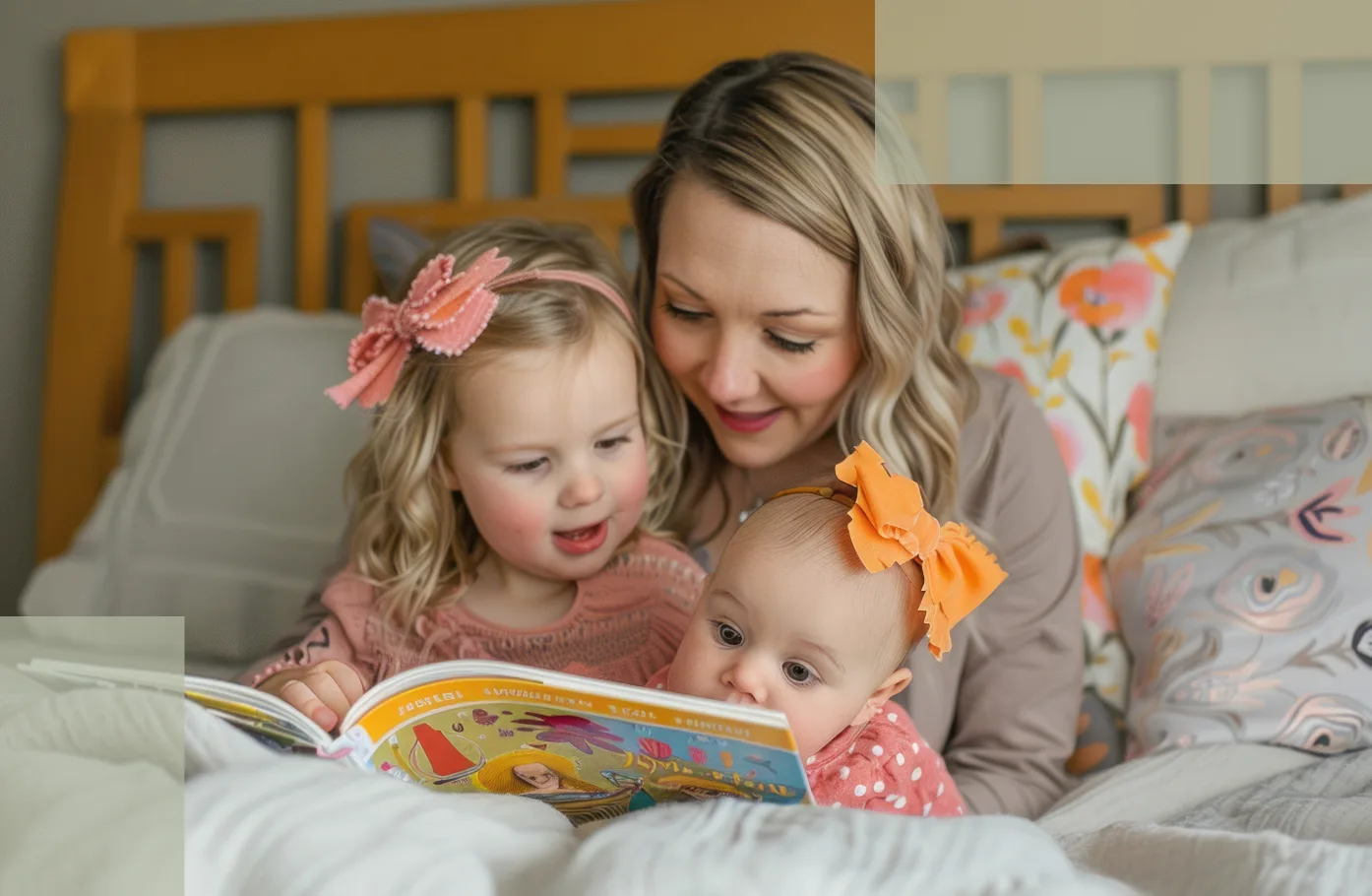
For many new mothers, postpartum hair loss can feel endless. You might wonder when the shedding will stop, if your hair will ever look the same again, or whether something’s wrong. The truth is, this journey is temporary—and recovery looks a little different for everyone.
Here’s what science and real stories reveal about when postpartum hair loss ends, and how you can support your scalp through the process.
Why Hair Loss Eventually Stops
The first thing to know: your hair will grow back. Postpartum hair loss, or telogen effluvium, is a natural and temporary response to hormonal change.
During pregnancy, your estrogen levels surge, keeping hair in its growth phase. After childbirth, those hormones drop quickly, prompting many hair follicles to shift into their resting phase simultaneously. As a result, shedding peaks around three to four months postpartum, then gradually stabilizes.
According to the American Academy of Dermatology (2024), most women see shedding normalize between six and twelve months after delivery. Once hormone levels and the growth cycle reset, your hair begins to regrow naturally.
If shedding lasts longer than a year, or if bald patches appear, a dermatologist can check for underlying causes like thyroid imbalance or anemia. But for most mothers, this process resolves without medical treatment—it simply takes patience and gentle care.
To better understand how this recovery unfolds, see When Does Postpartum Hair Loss Begin and What to Expect, which outlines the shedding timeline month by month.
Real Recovery Timelines from Mothers
Every recovery story is unique—but hearing from others who’ve been through it can make the process less isolating.
1. Emma, 32 – Shedding stopped at 6 months postpartum
“Around month two, I started losing so much hair I thought something was wrong. By month five, the shedding slowed noticeably, and by six months, it was back to normal. I focused on eating well and using mild shampoo. I didn’t rush it—just tried to stay consistent.”
2. Sophia, 28 – Gradual recovery over 10 months
“Mine lasted longer. I had twins, so my body was under a lot of stress. My hair kept shedding until around ten months postpartum. But I started seeing baby hairs grow at my temples by month seven. I learned to celebrate small signs of progress.”
3. Maria, 35 – Visible regrowth after a year
“At first, I was panicking. My hairline thinned, and I avoided mirrors. Then, slowly, I noticed fine regrowth. By the one-year mark, I had thick, shiny hair again—better than before pregnancy! Switching to gentle products and managing stress made a big difference.”
These stories reflect the range of normal experiences: for some, shedding resolves in a few months; for others, it’s closer to a year. What they all share is patience, self-kindness, and consistency.
For a stage-by-stage overview of these phases, you can revisit our Timeline of Postpartum Hair Loss: When Recovery Begins.
Habits That Help Speed Up Regrowth
While you can’t completely “stop” postpartum shedding, you can encourage faster recovery by building supportive daily habits.
1. Be gentle with your scalp
Avoid tight ponytails, frequent coloring, and aggressive brushing. Treat your scalp as gently as you would your skin.
2. Prioritize balanced nutrition
Protein, iron, zinc, and omega-3 fatty acids all contribute to stronger follicles. According to the Cleveland Clinic (2023), postpartum women with balanced diets experience quicker regrowth.
3. Choose soothing, fragrance-free hair products
Harsh sulfates and silicones can inflame sensitive scalps. Opt for gentle, dermatologically tested formulas. Products like the Evavitae Root Fortifying Hair Essence combine natural oils and biotin to nourish follicles while maintaining scalp balance.
4. Practice mindful care routines
Massage your scalp for 2–3 minutes daily to stimulate circulation. Keep stress levels low through breathing exercises, stretching, or short outdoor walks.
For a full guide on restoring strength safely, explore Gentle Ways to Help Your Hair Recover After Childbirth.
Discover routines that support lasting regrowth → adopt small, consistent habits that align with your body’s natural recovery pace.
What Full Recovery Looks Like
Most women see noticeable improvement by the 9–12 month mark. The fine “baby hairs” that appeared earlier begin to thicken and integrate with the rest of the hair. You may notice:
- Fuller volume at the crown and temples
- Less hair on your brush or drain
- Healthier texture and shine
This phase is often emotional, too—seeing regrowth can restore confidence after months of uncertainty.
For many mothers, the hair recovery journey mirrors emotional recovery: learning patience, resilience, and self-care. If you’re still in the middle of it, remember—you’re not alone, and this stage will pass.
Get the full roadmap to postpartum hair regrowth inside our Postpartum Hair Care and Recovery Guide.
References (APA Style)
- American Academy of Dermatology. (2024). Postpartum hair loss: What to expect and how to manage it. Retrieved from https://www.aad.org
- Cleveland Clinic. (2023). Postpartum hair loss: Causes and recovery timeline. Retrieved from https://my.clevelandclinic.org
- Mayo Clinic. (2024). Hair loss (alopecia): When to seek help. Retrieved from https://www.mayoclinic.org
Evavitae products are now available exclusively at www.evavitae.com.


Add comment
You must be logged in to post a comment.