

Hair shedding after childbirth is common—but that doesn’t make it any less stressful. Many mothers ask dermatologists the same question: What actually helps?
The truth is, postpartum hair loss isn’t something to “stop,” but rather something to support through recovery. With expert-backed guidance, you can reduce shedding, strengthen regrowth, and feel confident again—safely and gently.
Why Postpartum Hair Loss Happens
Before exploring solutions, it’s important to understand why it occurs. During pregnancy, elevated estrogen levels keep hair in its growth phase (anagen). After birth, estrogen and progesterone levels drop dramatically, pushing many follicles into the resting phase (telogen).
This process, called postpartum telogen effluvium, leads to increased shedding that typically peaks around three to four months after childbirth. According to WebMD (2024), this shedding is temporary and self-resolving—but certain habits can accelerate recovery and strengthen regrowth.
Dermatologist-Approved Ways to Support Recovery
1. Nourish the Scalp, Don’t Fight It
Dermatologists emphasize the importance of respecting your scalp’s natural balance. Over-cleansing, harsh foaming agents, or fragranced products can disrupt its protective barrier. Instead, use sulfate-free, fragrance-free cleansers to keep the scalp hydrated and calm.
Scalp massages can also help. Gentle, circular movements for two to three minutes daily stimulate blood circulation, improving nutrient flow to hair follicles.
For long-term results, dermatologists recommend patience—because scalp health recovery often precedes visible regrowth.
2. Strengthen Hair from Within
Nutrition plays a major role in postpartum recovery. Deficiencies in iron, vitamin D, or zinc can prolong shedding. The Harvard Health Publishing (2023) review on postpartum nutrition confirms that a well-balanced diet supports not only hormonal equilibrium but also follicle strength.
Key nutrients to focus on include:
- Iron – combats fatigue and supports oxygen flow to follicles.
- Protein – essential for keratin structure.
- Zinc & biotin – support tissue repair and root integrity.
- Omega-3 fatty acids – reduce inflammation and nourish scalp skin.
When in doubt, seek medical advice before starting supplements—especially during breastfeeding.
For a detailed breakdown of vitamins that matter, visit Best Postpartum Vitamins to Reduce Hair Shedding.
3. Choose Gentle, Science-Backed Products
Postpartum hair is fragile. Choosing the right shampoo and leave-in care can make a real difference in reducing breakage and supporting healthy regrowth.
Look for:
- Sulfate-free formulas that cleanse without stripping natural oils
- Biotin and peptide complexes for follicle support
- Natural oils (like argan, batana, or avocado) to protect moisture balance
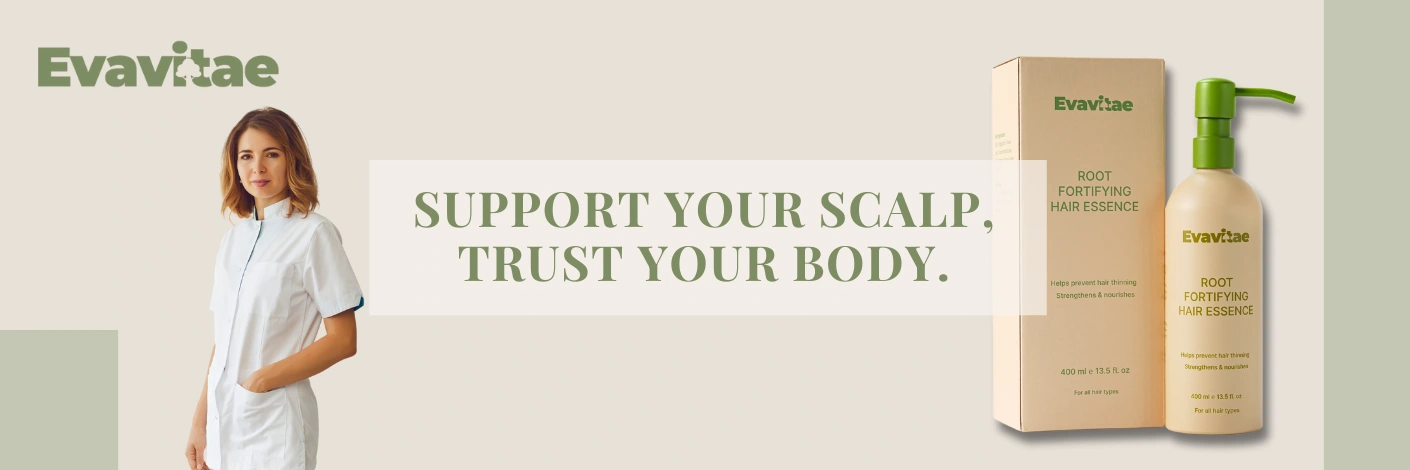
The Evavitae Root Fortifying Hair Essence is a gentle, dermatologically tested product designed for postpartum-sensitive scalps. Its biotin- and plant-oil-rich formula helps restore strength without harsh chemicals or fragrances.
To understand how to evaluate product safety, see Choosing the Best Shampoo for Postpartum Hair Loss: Ingredients That Matter.
4. Create a Consistent Care Routine
Dermatologists agree that consistency—not intensity—is key. Hair growth follows slow biological cycles, so visible results take time.
Simple routines like weekly scalp massages, balanced meals, and gentle cleansing every two to three days can yield steady improvement.
For lifestyle habits that make a real difference, read Daily Habits to Prevent Postpartum Hair Loss Before It Starts.
If you’d like to make small, easy adjustments, our practical guide Simple Changes That Can Reduce Postpartum Hair Loss offers simple, sustainable steps.
When to Consult a Dermatologist
While mild shedding is normal, persistent or patchy hair loss may require professional evaluation. Dermatologists can perform a scalp exam or order blood tests to check for iron deficiency, thyroid imbalance, or autoimmune causes.
According to Mount Sinai Health System (2024), dermatologists often reassure patients that postpartum hair loss doesn’t cause permanent follicle damage—but underlying health conditions can worsen it if left untreated.
Seek professional help if you notice:
- Hair loss lasting longer than a year
- Bald spots or inflamed patches
- Excessive fatigue or hormonal symptoms
Early evaluation ensures the right treatment path—whether medical or supportive.
Realistic Expectations: Patience Over Perfection
Dermatologists often tell patients: “You can’t rush regrowth, but you can protect what’s already there.”
Shedding typically peaks around month four and stabilizes by month nine. By the one-year mark, most women regain their pre-pregnancy fullness. Focus on self-care rather than chasing quick results—because hair recovery mirrors the body’s gradual healing process.
If you need encouragement, explore When Will Postpartum Hair Loss Stop? Real Recovery Stories, which shares authentic journeys of mothers who regained confidence through gentle consistency.
Your Takeaway
What helps postpartum hair loss most isn’t a miracle treatment—it’s compassionate, consistent care.
Combine a balanced diet, a mild cleansing routine, and emotionally supportive habits. Choose products designed for sensitivity, and trust that your body knows how to restore itself.
For more evidence-based guidance, visit our Hair Loss 101 category, your resource for understanding, preventing, and gently reversing postpartum shedding.
Visit our Postpartum Hair Regrowth Center to explore safe, gentle ways to support new hair growth.
References (APA Style)
- WebMD. (2024). Postpartum hair loss: Causes, symptoms, and treatment options. Retrieved from https://www.webmd.com
- Harvard Health Publishing. (2023). Postpartum nutrition and hair health recovery. Retrieved from https://www.health.harvard.edu
- Mount Sinai Health System. (2024). Hair loss in women: Diagnosis and recovery advice. Retrieved from https://www.mountsinai.org
Evavitae products are now available exclusively at www.evavitae.com.


Add comment
You must be logged in to post a comment.