
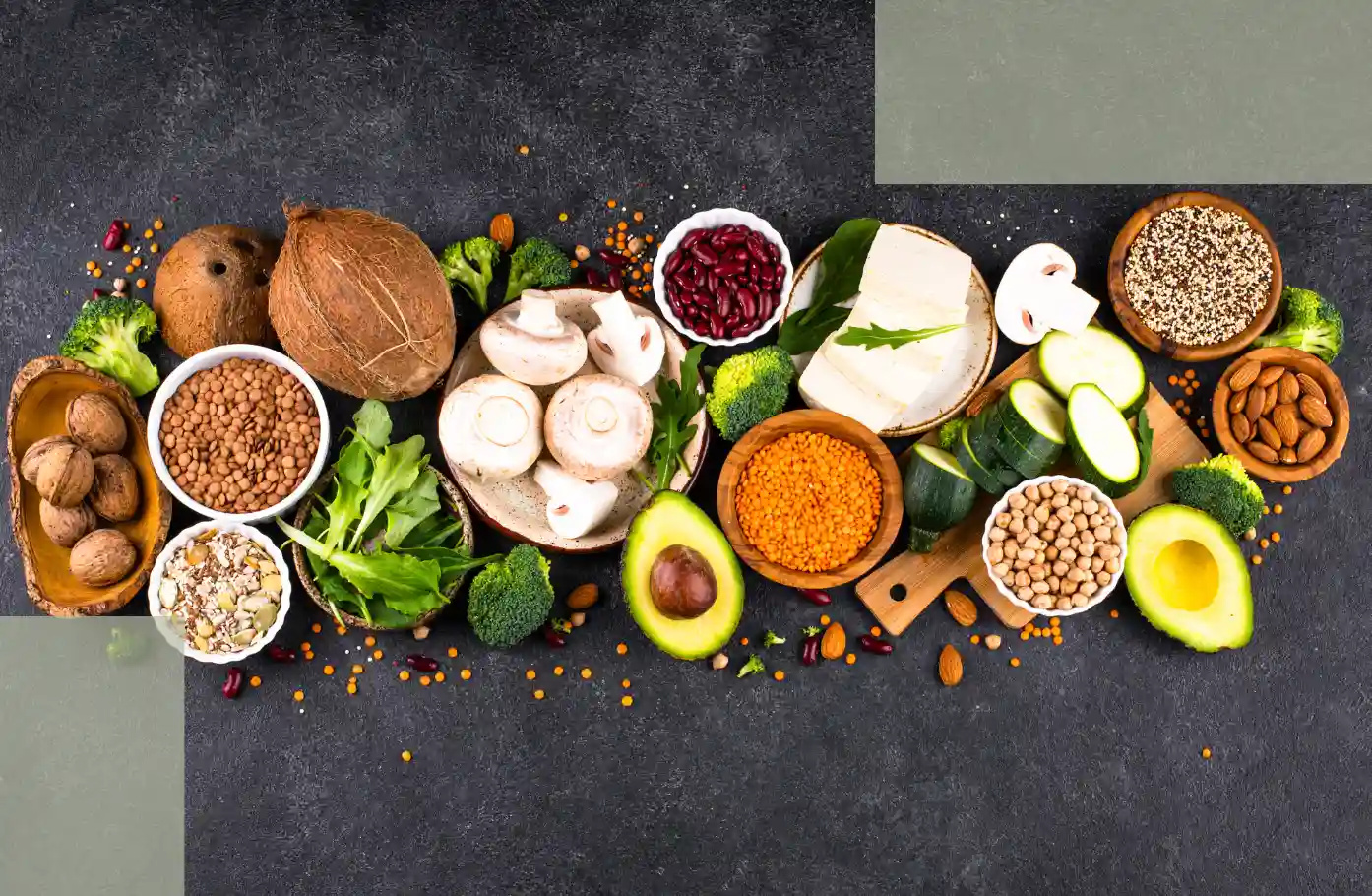
Postpartum hair shedding often leads mothers to reach for vitamin bottles promising thicker, faster growth. But do these supplements actually work—or are they simply well-marketed myths?
Let’s look at what current medical literature says about vitamins and postpartum hair recovery.
Clinical Studies on Vitamin E, D, and Biotin
Vitamin E — the antioxidant protector
Vitamin E combats oxidative stress that can weaken follicles after childbirth.
According to John Hopkins Medicine (2024), topical and dietary vitamin E improved micro-circulation and reduced follicle inflammation in women experiencing temporary telogen effluvium. However, excessive supplementation can be counter-productive; balance matters more than dosage.
Vitamin D — the hormonal stabilizer
Vitamin D regulates the hair-cycle transition between growth (anagen) and rest (telogen). A DermNet NZ (2024) review found that postpartum women deficient in vitamin D showed slower regrowth and higher shedding. Correcting this deficiency—often through moderate supplementation or sunlight exposure—helps follicles re-enter the growth phase naturally.
Biotin — the structural builder
Biotin (vitamin B7) supports keratin synthesis. In a Cleveland Clinic Journal of Medicine (2023) meta-analysis, researchers noted that biotin supplementation produced measurable improvement only in individuals with proven deficiency or malabsorption. In healthy women, additional biotin offered minimal extra benefit.
In short: these vitamins matter—but context determines effectiveness. Testing and professional guidance prevent unnecessary or unsafe megadoses.
When Supplements Help—and When They Don’t
Postpartum vitamins are most useful when deficiencies exist or diet quality drops during recovery.
They are not instant growth stimulants; rather, they create favorable internal conditions for regrowth.
They help when:
- Blood tests confirm low ferritin, vitamin D, or B-complex levels
- Dietary intake is limited by appetite, fatigue, or food restrictions
- Breastfeeding increases nutritional demands
They don’t help when:
- Dosages exceed safe limits (vitamin A toxicity or iron overload)
- Hair loss is caused by hormonal imbalance, thyroid issues, or stress
- Expectation is immediate visible regrowth—biology simply needs time
Dermatologists recommend combining supplements with lifestyle adjustments—adequate sleep, hydration, and stress regulation—to address both internal and external triggers of postpartum shedding.
For guidance on choosing balanced formulations, read Best Postpartum Vitamins to Reduce Hair Shedding.
How to Combine Oral and Topical Nutrition
Internal vitamins feed the follicle from within; topical nutrition supports the scalp environment directly.
Used together, they reinforce each other’s effects.
1. Internal Support (first 4–6 months postpartum)
Focus on:
- A prenatal or postnatal multivitamin that includes vitamin D (600 IU daily), iron (18 mg), and biotin (30 µg).
- Protein-rich meals—eggs, salmon, lentils—to sustain keratin production.
- Hydration of at least 2 liters of water per day.
2. Topical Support (for scalp barrier and circulation)
Choose lightweight, fragrance-free formulas containing biotin, peptides, or natural oils to enhance follicle activity without irritation.
The Evavitae Root Fortifying Hair Essence pairs botanical nourishment with clinically tested peptides, making it an ideal companion to oral nutrition.
3. Synergy through routine
- Massage the scalp for 2–3 minutes daily to boost nutrient delivery.
- Avoid tight hairstyles that stress follicles.
- Track progress monthly; patience = progress.
To better understand the science of nutrient-driven regrowth, visit The Science Behind Postpartum Hair Loss: Hormones, Stress, and More.
Practical Tips for Safe Supplement Use
- Check your labs first. Ask your doctor to measure ferritin, vitamin D, and thyroid levels before supplementing.
- Stay within Recommended Dietary Allowances (RDA). More isn’t better.
- Combine nutrients smartly. Vitamin C enhances iron absorption, while caffeine can hinder it.
- Allow time. Most women notice visible regrowth between 6–12 months postpartum.
If you experience persistent thinning or patchy loss beyond a year, consult a dermatologist to rule out thyroid imbalance or autoimmune causes.
What to Expect
Vitamins support regrowth indirectly—they stabilize the environment that allows hair to return to normal density. Consistency for at least 8–12 weeks is required to see results.
When combined with mild topical care and balanced lifestyle habits, most mothers notice fewer strands falling and baby-hair sprouting by month six.
To see how holistic care reinforces natural recovery, revisit Postpartum Hair Loss Treatment: From Science to Natural Recovery or our Ingredients Science category.
Your Takeaway
Do postpartum hair vitamins work? Yes—when used correctly.
They’re not miracle pills, but evidence shows that balanced supplementation, paired with gentle scalp nutrition, significantly supports regrowth.
See how internal + external care build lasting strength → integrate mindful nutrition, gentle products, and patience for visible, lasting recovery.
Learn how to restore healthy hair after pregnancy through the Postpartum Hair Care Hub.
References (APA Style)
- Johns Hopkins Medicine. (2024). Vitamin E and micro-circulation in female hair regrowth. Retrieved from https://www.hopkinsmedicine.org
- DermNet NZ. (2024). Vitamin D deficiency and postpartum telogen effluvium. Retrieved from https://dermnetnz.org
- Cleveland Clinic Journal of Medicine. (2023). Biotin supplementation efficacy in temporary hair loss: A meta-analysis. Retrieved from https://www.ccjm.org
Evavitae products are now available exclusively at www.evavitae.com.

Add comment
You must be logged in to post a comment.