
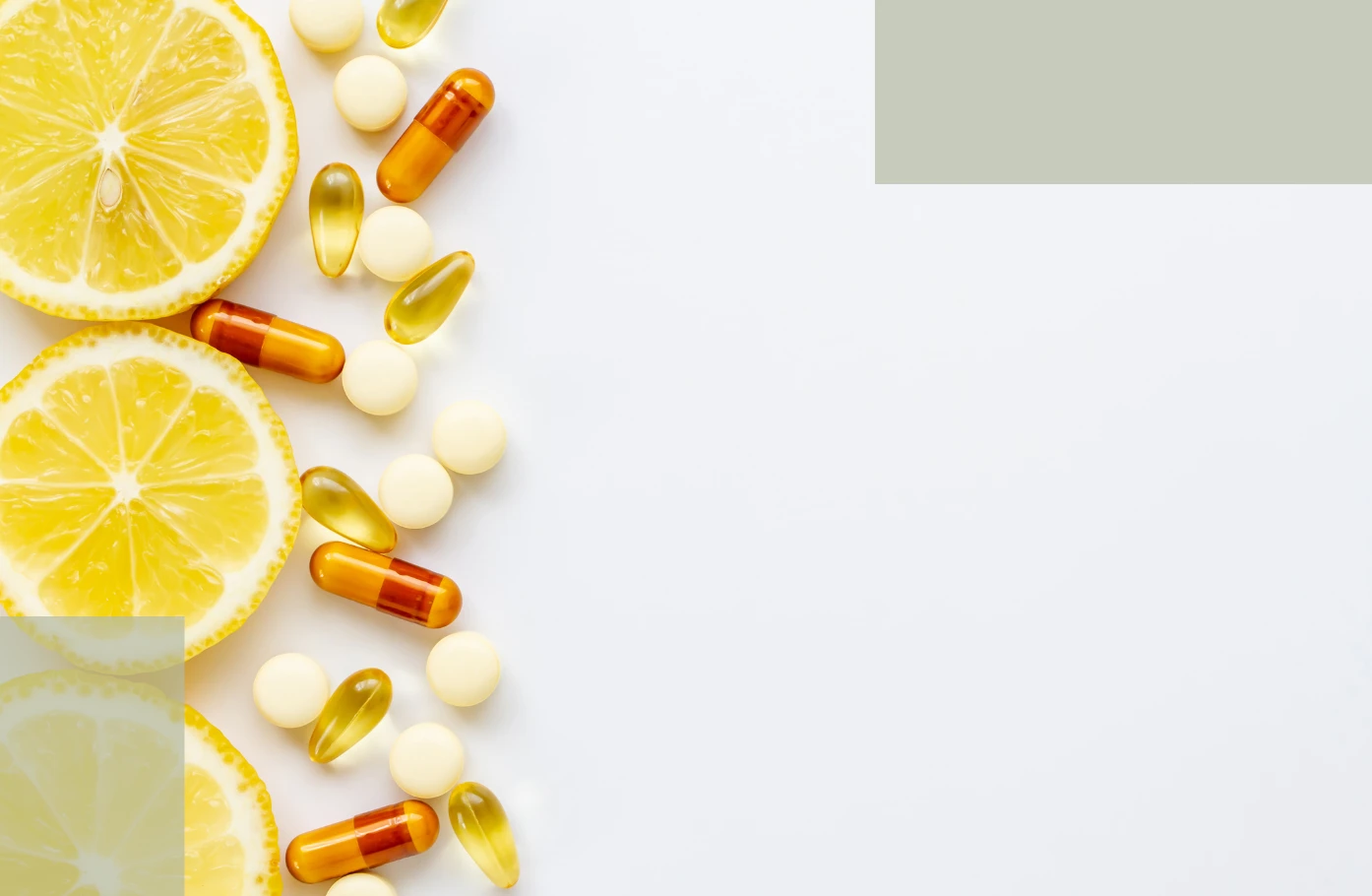
Best Postpartum Vitamins to Reduce Hair Shedding
Postpartum hair shedding can feel frustrating, but your body isn’t failing you—it’s simply rebalancing. During this time, nutrition plays a crucial role. The right vitamins and minerals can strengthen follicles, shorten recovery time, and support your overall wellbeing.
Let’s explore which nutrients matter most, how they work, and how to use them safely—especially during breastfeeding.
How Vitamins Support Hair Regrowth
Hair growth depends on a continuous supply of nutrients to the follicle root. When you’re pregnant, your body prioritizes nutrients for your baby. After childbirth, hormonal changes and potential deficiencies can trigger temporary shedding, known as postpartum telogen effluvium.
According to ScienceDirect (2023), postpartum women often show reduced levels of ferritin (iron stores), vitamin D, and zinc—nutrients essential for maintaining the anagen (growth) phase of hair. Replenishing these helps restore the natural cycle and improve hair strength.
Vitamins don’t “cure” postpartum hair loss, but they create optimal conditions for recovery, complementing your body’s hormonal readjustment and reducing the severity of shedding.
Key Nutrients to Look For
Some nutrients have stronger evidence than others when it comes to hair health. Here are three key players dermatologists often recommend:
1. Biotin (Vitamin B7)
Biotin supports keratin production—the protein that forms hair, nails, and skin. Deficiency can cause brittle strands and increased breakage. While true biotin deficiency is rare, mild insufficiency can slow hair regrowth.
A 2024 review by Medical News Today notes that supplementing biotin shows noticeable improvement in individuals with low baseline levels, especially when combined with zinc and vitamin E.
2. Iron
Iron carries oxygen to hair follicles through red blood cells. Low iron (or low ferritin) is one of the most common nutrient issues linked to postpartum shedding. Restoring iron levels can reduce excessive hair fall and promote regrowth.
Sources include lean meats, tofu, lentils, and fortified cereals. For supplementation, always consult your doctor—especially if you’re breastfeeding, since excess iron can cause digestive discomfort.
3. Zinc
Zinc helps regulate sebum production and supports tissue repair within the follicle. Deficiency can lead to brittle hair or delayed regrowth. A British Journal of Dermatology (2024) study showed that zinc supplementation improved hair density and follicle vitality within 12 weeks among postpartum participants.
Together, these nutrients form the foundation of healthy regrowth. For a closer look at how individual vitamins perform, see Do Postpartum Hair Vitamins Really Work? Evidence-Based Review.
Choosing Supplements Safely During Breastfeeding
Not all postpartum vitamins are created equal. Some formulations contain high doses of retinol (vitamin A) or herbal extracts that may not be recommended while breastfeeding.
Harvard Health Publishing (2024) advises mothers to choose prenatal or postnatal multivitamins specifically labeled as “breastfeeding-safe.” These typically contain balanced levels of iron, vitamin D, and folate without exceeding upper intake limits.
When reviewing supplement labels:
- Look for USP-verified or third-party tested certifications.
- Avoid “mega-doses” unless prescribed.
- Take vitamins with food to enhance absorption and minimize nausea.
If in doubt, consult your OB-GYN or a registered dietitian. Remember: supplements are additions, not replacements for real food.
Pairing Vitamins with Gentle Topical Care
While nutrition builds the foundation internally, topical care reinforces recovery externally. Combining the two produces the best results—especially for sensitive postpartum scalps.
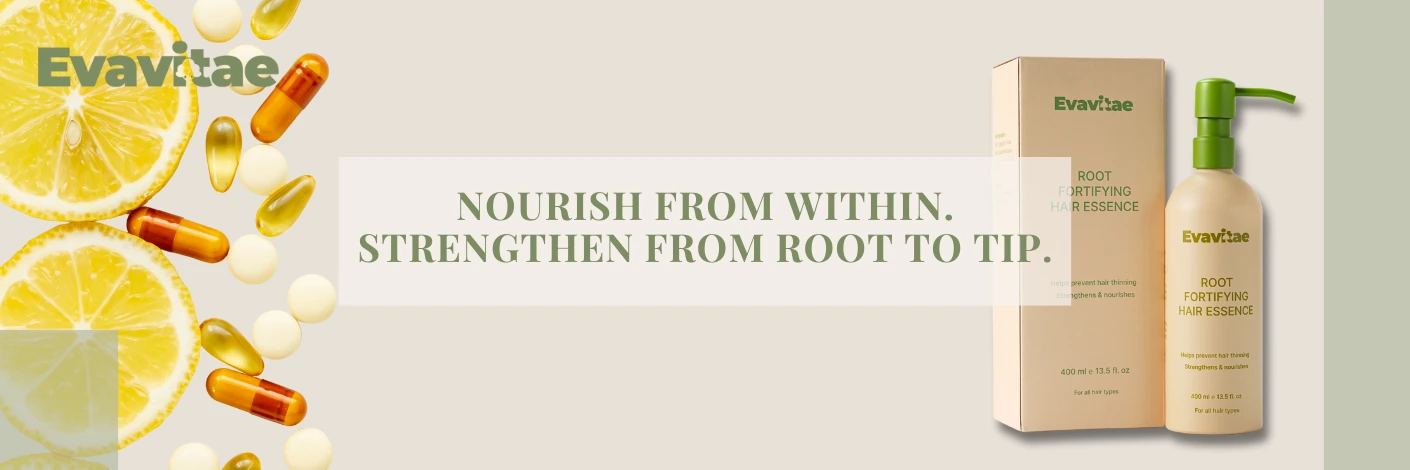
Opt for gentle, fragrance-free products that hydrate the scalp and strengthen roots. The Evavitae Root Fortifying Hair Essence blends biotin, plant oils, and peptides to nourish follicles without irritation, making it an ideal companion to nutritional support.
For a more complete view of how internal and external care work together, explore Natural Remedies for Postpartum Hair Loss: What Really Works and When Does Postpartum Hair Loss Begin and What to Expect.
See how natural care supports real results → balance your vitamins, your scalp, and your patience for a confident recovery.
Practical Tips for Consistency
- Take your supplement at the same time each day.
- Pair vitamins with meals containing healthy fats to boost absorption.
- Track your progress monthly—look for reduced shedding and baby hair growth.
- Combine with gentle scalp massage and stress reduction practices.
Postpartum recovery isn’t about quick fixes—it’s about steady replenishment and sustainable care.
Your Takeaway
The best postpartum vitamins don’t promise miracles—they support your body’s natural healing. When paired with mindful care and patience, they can shorten the shedding phase and strengthen new growth.
If you’d like to explore more on hormonal, nutritional, and lifestyle connections to postpartum recovery, visit our Ingredients Science category for more research-based insights.
Read more about restoring hair health naturally in the Postpartum Hair Shedding Recovery Hub.
References (APA Style)
- ScienceDirect. (2023). Postpartum micronutrient deficiency and hair cycle recovery: A clinical overview. Retrieved from https://www.sciencedirect.com
- Medical News Today. (2024). The role of biotin and other vitamins in hair growth. Retrieved from https://www.medicalnewstoday.com
- British Journal of Dermatology. (2024). Zinc supplementation and postpartum hair density recovery: A randomized study. Retrieved from https://academic.oup.com/bjd
- Harvard Health Publishing. (2024). Vitamins and supplements after pregnancy: Safe use while breastfeeding. Retrieved from https://www.health.harvard.edu
Evavitae products are now available exclusively at www.evavitae.com.

Add comment
You must be logged in to post a comment.