
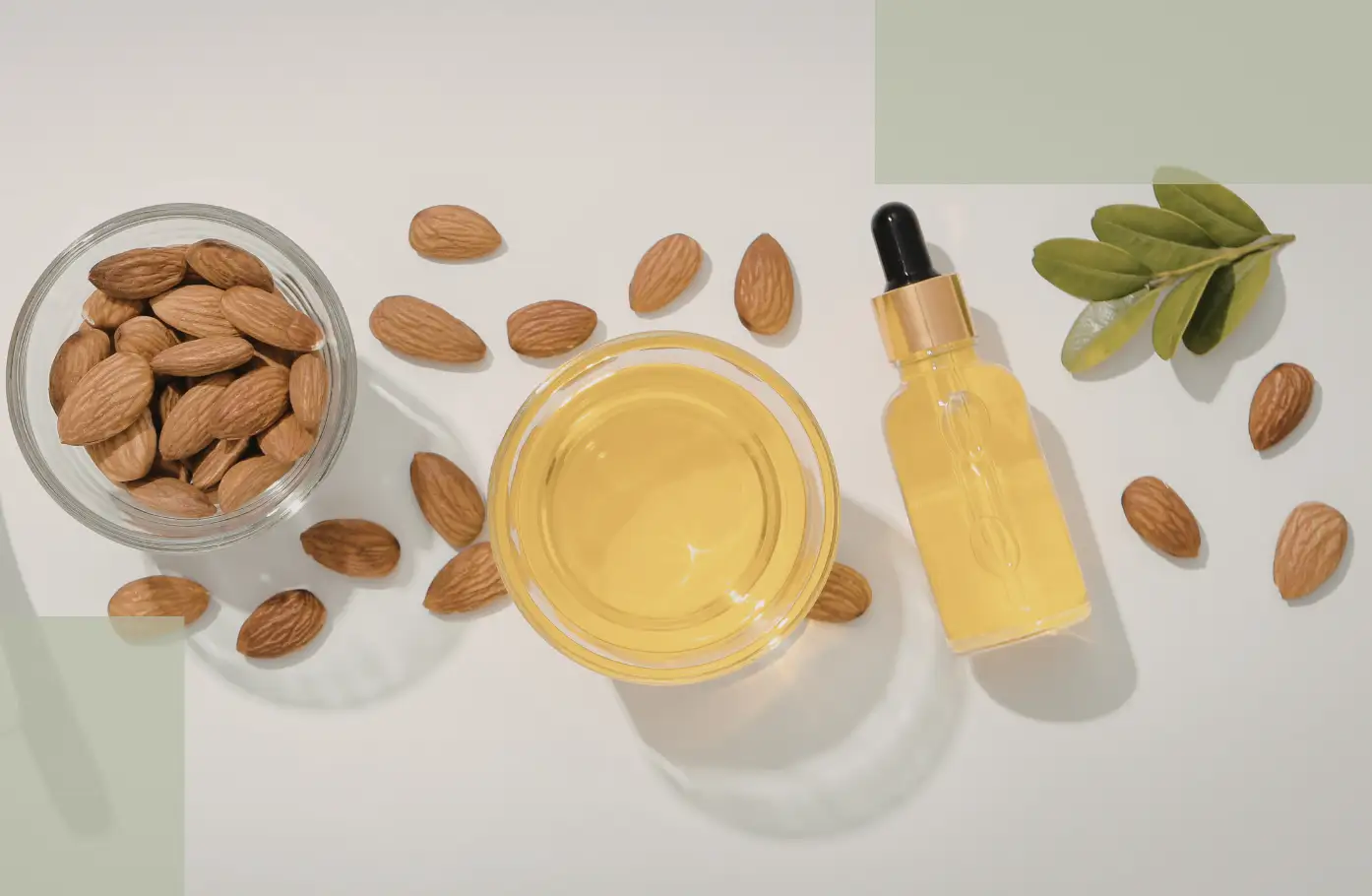
Finding the right shampoo after childbirth can be confusing. Labels promise “strength,” “volume,” and “natural repair,” yet many contain irritants that worsen shedding or sensitivity. The key to postpartum recovery isn’t expensive marketing—it’s ingredient awareness.
This guide explains which ingredients to avoid, which ones genuinely support regrowth, and how to choose gentle formulations that respect your scalp’s healing process.
Common Ingredients to Avoid (SLS, Fragrance)
Postpartum scalps are more reactive due to hormonal shifts, stress, and sometimes dehydration. Harsh detergents or artificial scents can easily disrupt the protective barrier.
1. Sulfates (SLS/SLES)
Sodium lauryl sulfate and sodium laureth sulfate are foaming agents that strip away natural oils. According to Verywell Health (2024), sulfates can over-cleanse sensitive scalps, leading to dryness, flaking, and inflammation—all of which exacerbate shedding. Choose shampoos labeled sulfate-free to maintain the scalp’s moisture film.
2. Synthetic Fragrances and Dyes
Fragrance is among the top five allergens in cosmetic products. Postpartum hormonal changes make skin even more reactive. Artificial scents, dyes, or “perfume blends” can trigger itching or redness. Unscented or naturally derived fragrances (like low-allergen chamomile or oat extract) are safer alternatives.
3. Heavy Silicones
While dimethicone makes hair feel smoother temporarily, it can accumulate around follicles and block oxygen exchange. This buildup weighs hair down and can lead to dullness.
To understand the science of how ingredient imbalance affects shedding, revisit The Science Behind Postpartum Hair Loss: Hormones, Stress, and More.
Ingredients That Strengthen Roots (Biotin, Peptides, Babassu)
Gentle doesn’t mean ineffective. Some ingredients offer real, measurable benefits for postpartum hair recovery.
Biotin (Vitamin B7)
Supports keratin production—the structural protein of hair and nails. A British Journal of Dermatology (2024) study found that topical biotin combined with peptides improved strand thickness and tensile strength within eight weeks.
Peptides
Short amino-acid chains that signal follicles to repair and produce keratin more efficiently. They’re lightweight, non-irritating, and ideal for daily use.
Babassu Oil
Extracted from the Amazonian babassu palm, this oil is rich in lauric acid—known for penetrating the hair shaft and restoring elasticity. Harvard Health Publishing (2023) highlights lauric acid’s antimicrobial and lipid-replenishing benefits for dry, postpartum skin and scalp.
Together, these ingredients form a nutrient-dense foundation that strengthens from the root up. They don’t force follicles to grow faster; they help them recover naturally.
Products like the Evavitae Root Fortifying Hair Essence combine biotin, peptides, and plant oils (including babassu) to reinforce the scalp barrier without synthetic fragrance or sulfates—making them ideal companions to postpartum-safe shampoos.
For complementary natural actives, explore Top 10 Essential Oils and Natural Extracts for Postpartum Hair Regrowth.
Understanding Sensitive Scalp Formulations
A truly gentle postpartum shampoo goes beyond “free-from” labels—it’s about pH balance, hydration, and microbiome protection.
pH Balance:
Healthy scalp skin stays slightly acidic (pH 4.5–5.5). Alkaline shampoos raise this level, weakening the barrier and allowing irritation. Choose products that list “pH-balanced” or “dermatologist-tested.”
Hydration and Lipid Support:
Ingredients such as glycerin, panthenol, and aloe vera attract moisture, helping soothe tightness or itchiness.
Microbiome-Friendly Preservatives:
Mild preservatives (like sodium benzoate) protect product safety without harming beneficial scalp bacteria—important for postpartum balance, as over-cleansing can disrupt this ecosystem.
If your scalp feels overly dry or sensitive, reduce washing frequency to every two or three days, focusing shampoo only on the roots while conditioning the ends.
For additional tips on restoring sensitivity and moisture, read Gentle Ways to Help Your Hair Recover After Childbirth.
How to Build Your Postpartum Wash Routine
- Pre-wash: Massage a few drops of natural oil (rosemary or jojoba) into the scalp to loosen buildup.
- Cleanse: Use a small amount of sulfate-free shampoo, focusing on the scalp only.
- Rinse thoroughly: Residue causes itchiness and weight.
- Condition and protect: Apply a lightweight conditioner or essence through mid-lengths and ends.
- Air-dry when possible: Heat styling weakens new growth.
With consistent care, most mothers notice stronger, softer hair within two to three months.
Your Takeaway
The “best” shampoo for postpartum hair loss isn’t the most expensive—it’s the most respectful to your scalp.
Avoid sulfates and artificial fragrances; embrace formulas with biotin, peptides, and nourishing oils like babassu.
Consistency and gentleness always outperform quick fixes.
For more science-based ingredient education, visit our Ingredients Science category.
For expert-backed postpartum hair care routines, see the Complete Recovery Hub.
References (APA Style)
- Verywell Health. (2024). Sulfates in shampoo: Effects on sensitive scalp. Retrieved from https://www.verywellhealth.com
- British Journal of Dermatology. (2024). Topical biotin-peptide synergy in temporary hair loss recovery. Retrieved from https://academic.oup.com/bjd
- Harvard Health Publishing. (2023). Lauric acid and skin-barrier repair in postpartum care. Retrieved from https://www.health.harvard.edu
Evavitae products are now available exclusively at www.evavitae.com.


Add comment
You must be logged in to post a comment.