
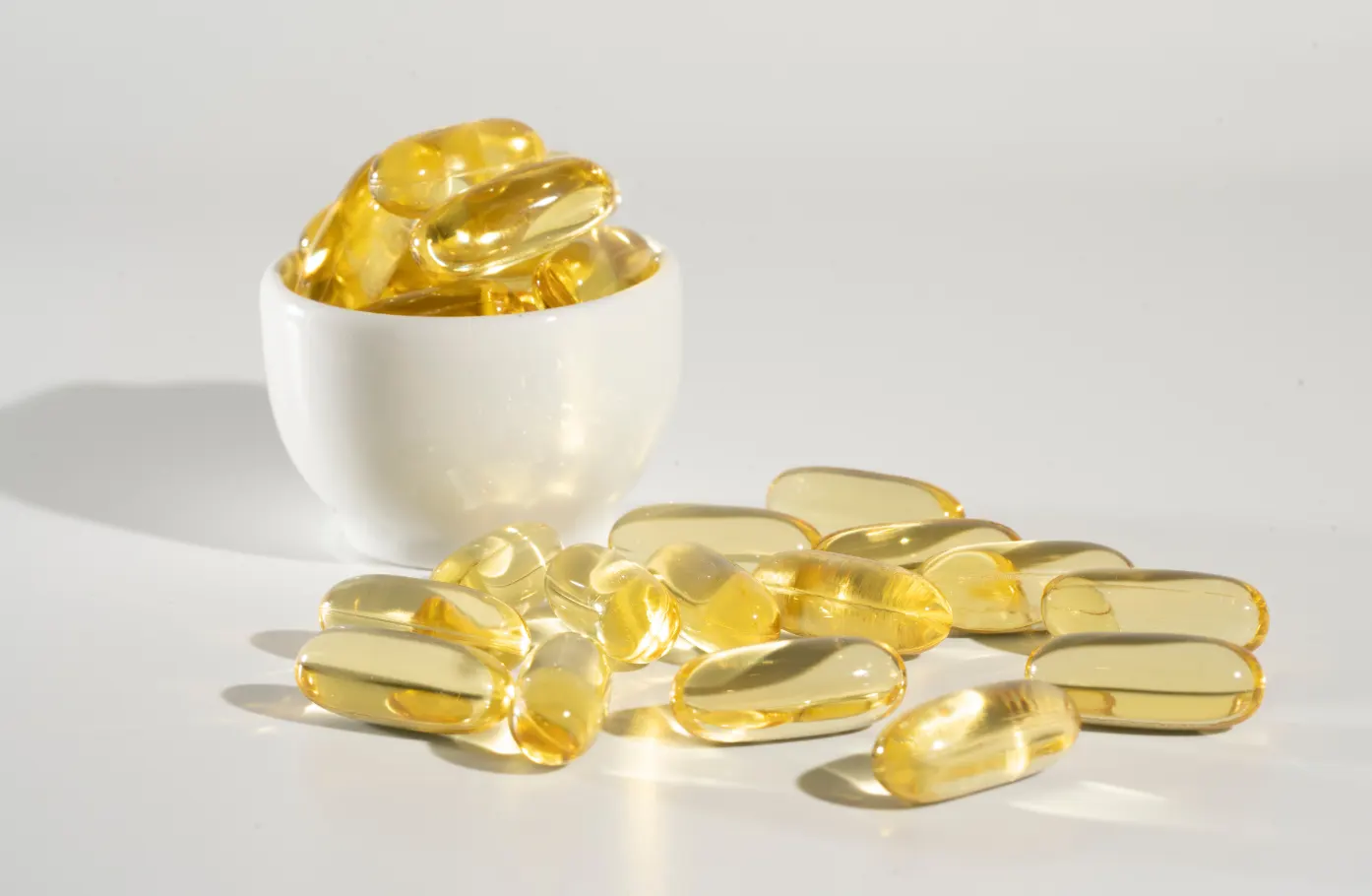
Postpartum Hair Loss (PTHL), while most commonly attributed to the sudden drop in hormones, is also highly influenced by another often overlooked factor: nutritional deficiencies. During pregnancy, childbirth, and breastfeeding, the body’s demand for nutrients increases dramatically. When key nutrients are insufficient, the first tissues to be affected are often the hair follicles, which have extremely high metabolic needs.
This article will explore why iron, zinc, vitamin D, and B vitamins affect postpartum hair loss, which deficiencies are most common, how to detect them, and how to improve them. It will help you fully understand the critical link between nutrition and hair follicle health.
👉 For a full overview of all biological and lifestyle triggers behind shedding, you can also visit:
Postpartum Hair Loss Causes & Risks.
1. Why Nutritional Deficiency Causes Postpartum Hair Loss
Hair follicles are among the fastest-growing tissues in the human body, requiring daily supplies of oxygen, protein, trace elements, and vitamins to maintain their normal growth cycle.
When the body is in the following states:
- Blood loss during childbirth
- High nutrient demands during breastfeeding
- Irregular diet
- Lack of sleep and increased stress
…the body prioritizes nutrients for “life-sustaining organs” (heart, lungs, brain) and considers hair follicles a lower priority.
The result is:
- Hair follicles do not receive sufficient nutrients → enter the telogen (resting) phase early → postpartum hair loss worsens.
Thus, nutritional deficiencies not only increase the amount of hair shedding but also prolong the shedding period and delay hair regrowth.
👉 If you want to understand how hormonal changes interact with nutrient deficiencies, this guide explains the full hormonal mechanism:
Hormonal Fluctuations & Postpartum Hair Loss.
2. The Four Key Nutrients: Iron, Zinc, Vitamin D, B Vitamins
Below is a detailed explanation of their mechanisms, effects on hair, and why postpartum women are prone to deficiencies.
①Iron — The Most Common Nutritional Factor in Postpartum Hair Loss
Why does iron deficiency cause hair loss?
Iron is essential for:
- Red blood cell synthesis
- Oxygen delivery to hair follicles
- Keratin production
When iron is insufficient:
- Hair follicles receive less oxygen
- Keratin synthesis is impaired
- Anagen (growth phase) shortens
- Telogen (resting phase) proportion increases
This leads to diffuse shedding, which is often confused with typical postpartum hair loss.
Why are postpartum women prone to iron deficiency?
- Significant blood loss during delivery
- Increased iron demand during breastfeeding
- Pregnancy already depletes iron stores
- Irregular or insufficient diet
Studies show up to 50% of postpartum women have ferritin levels below 30 ng/mL, which is within the range affecting hair growth.
How to check?
- Ferritin
- Hemoglobin
Note: Even if hemoglobin is normal, ferritin may be low (latent iron deficiency).
👉 Many postpartum mothers with prolonged shedding also experience thyroid-related changes. If shedding lasts > 12 months, this guide can help identify patterns:
Postpartum Thyroid Dysfunction & Hair Loss.
② Zinc — Key for Follicle Repair and Immune Regulation
How does zinc deficiency cause hair loss?
Zinc is involved in:
- Cell proliferation
- Hair follicle protein synthesis
- Skin and scalp barrier repair
- Immune modulation (reduces inflammation)
Deficiency leads to:
- Weakened follicle growth signals
- Impaired keratinization
- Fluctuating scalp oil and increased inflammation
- Thinner, more fragile hair
Symptoms include: dry, fine hair, increased shedding, and possibly more dandruff.
Why postpartum women are prone to zinc deficiency:
- Breastfeeding consumes large amounts of zinc
- Sleep deprivation and stress accelerate zinc metabolism
- Unbalanced diet
- Recovery from C-section increases micronutrient depletion
③ Vitamin D — The “Switch” for Hair Growth Cycles
Vitamin D is not just a “bone vitamin”; it plays a crucial role in hair follicles:
- Regulates follicle stem cell activity
- Initiates transition from telogen → anagen
- Maintains scalp immune balance
- Controls inflammation
Low vitamin D causes:
- Difficulty initiating anagen
- Prolonged telogen
- Worsened scalp sensitivity
Why postpartum women are often deficient:
- Pregnancy doubles vitamin D consumption
- Breastfeeding increases needs
- Staying indoors postpartum limits sun exposure
- Hormonal fluctuations affect vitamin D metabolism
④B Vitamins — Core for Energy Metabolism and Follicle Fuel
Especially:
- B7 (Biotin)
- B12
- B6
- Folate
How B vitamins affect hair growth:
- Keratin synthesis
- Oxygen transport
- Cellular energy metabolism
- Red blood cell production
- Reduce inflammation and oxidative stress
Deficiency leads to:
- Thinner hair
- Increased shedding
- Dry scalp
- Slower hair regrowth
Why postpartum deficiency occurs:
- Insufficient supplementation during pregnancy
- High breastfeeding demands
- Irregular diet
- Postpartum anemia or digestive/absorption issues
3. Characteristics of Nutritional Deficiency–Related Hair Loss
Feature | Hormonal Postpartum Hair Loss | Nutritional Deficiency Hair Loss |
Onset | 2–6 months postpartum | Any time |
Shedding Type | Sudden, concentrated | Stable but prolonged |
Location | Forehead, temples | Overall thinning, especially crown |
Recovery | 6–12 months | 1–2 years if untreated |
Associated Symptoms | None | Fatigue, brittle nails, cold hands/feet, dry/oily scalp, dandruff |
If hair loss persists beyond one year, nutritional deficiencies are likely contributing factors.
👉 Stress and sleep deprivation often occur alongside nutritional deficiency and intensify shedding. Learn more here:
Stress, Cortisol & Postpartum Hair Loss.
4. How to Identify Nutritional Deficiency–Related Hair Loss
Look for:
- Brittle nails or vertical ridges
- Dry or excessively oily scalp
- Fatigue or dizziness
- Palpitations, chest discomfort (low iron)
- Slow wound healing (low zinc)
- Mood swings (low B vitamins)
- Joint aches (low vitamin D due to limited sunlight)
- Frequent colds (low immunity)
Recommended tests:
- Ferritin
- CBC (complete blood count)
- Vitamin D
- Vitamin B12
- Zinc (optional)
👉 If your scalp feels inflamed, oily, or unusually sensitive postpartum, this may also contribute:
Scalp Health & Postpartum Hair Loss.
5. How to Improve Nutritional Deficiency–Related Postpartum Hair Loss
Safe, scientific approaches suitable for postpartum women:
①Dietary Supplementation
Iron-rich foods:
- Red meat, beef, lamb
- Spinach, kale
- Legumes
- Pumpkin seeds, black sesame
Tip: Vitamin C enhances iron absorption
Zinc-rich foods:
- Oysters (highest zinc content)
- Eggs
- Nuts
- Whole grains
- Legumes
Vitamin D-rich foods:
- Salmon, sardines
- Eggs
- Fortified dairy
- Moderate sun exposure
B vitamin-rich foods:
- Eggs, whole grains
- Lean meats
- Spinach
- Yeast, legumes
② Supplements (based on test results)
- Iron: under doctor guidance
- Vitamin D: generally safe, monitor dosage
- Zinc: avoid long-term high doses
- B vitamins: short-term support
Principle: Test first, then supplement.
③ External Care Supporting Follicles (Gentle, Non-Irritating)
Follicles affected by nutritional deficiency recover slowly and benefit from:
- Mild, barrier-friendly shampoos
- Free of heavy silicones, synthetic fragrances, harsh cleansers
- Products that control inflammation, hydrate, and stabilize the scalp
④Stress Management and Sleep Improvement
High cortisol often accompanies nutritional deficiency; managing stress can:
- Accelerate anagen restart
- Reduce scalp inflammation
- Shorten telogen duration
You can also review how genetics influence recovery tendencies here:
Genetic Predisposition & Postpartum Hair Loss.
Additionally, certain postpartum conditions amplify nutrient depletion, such as:
Cesarean delivery or slow metabolic recovery:
Delivery Method & Metabolic RecoveryBreastfeeding increasing nutrient demand:
Breastfeeding as an Amplifier (Not the Cause)Immune fluctuations affecting scalp sensitivity:
Immune Reset & Postpartum Hair Loss
6. Summary: Nutritional Deficiency as a Key Amplifier of Postpartum Hair Loss
Postpartum hair loss is multifactorial, but deficiencies in iron, zinc, vitamin D, and B vitamins are major contributors to more severe and prolonged shedding.
Compared to purely hormonal hair loss, nutritional deficiency–related hair loss is:
- More persistent
- Diffuse
- Slower to recover
- Requires systematic nutritional support
With proper supplementation, a healthy scalp environment, and reduced stress, most women can significantly improve hair density and restore follicle health within several months.
You can explore more expert-backed insights inside our dedicated Postpartum Hair Loss section.
A gentle wash like the Evavitae Root Fortifying Hair Essence may feel more comfortable on inflamed or flaky postpartum scalps.


Add comment
You must be logged in to post a comment.