

Nutritional Deficiency Hair Loss: Which Nutrients Matter for Hair Growth, Why Deficiency Causes Shedding, and How Recovery Works
Nutritional deficiency hair loss is more common than most people realize.

Nutritional deficiency hair loss is more common than most people realize.

Nutritional deficiency hair loss is rarely caused by a single nutrient being “too low” on a lab report.
What actually drives shedding and thinning is how nutrient availability affects the hair growth cycle, how efficiently hair follicles can access and use those nutrients, and whether the body’s internal environment is stable enough to support regrowth.
This page explains the core biological mechanisms behind nutritional deficiency hair loss, helping you understand:
Why hair loss can occur even when basic blood markers appear “normal”
Why shedding may continue after diet changes or supplementation begin
Why aggressive supplementation often backfires
And why recovery depends on consistent nutrient signaling—not overload
Nutritional deficiency hair loss develops through multiple overlapping biological pathways, not a single missing nutrient.
Across clinical patterns, most cases involve one or more of the following mechanisms:
Iron-related oxygen delivery constraints within the follicle
Micronutrient shortages affecting keratin production and cell division
Impaired nutrient absorption, transport, or utilization
Scalp inflammation and stress-related metabolic interference
Follicle “low-power mode” and delayed re-entry into the growth phase
Each mechanism influences when hair follicles shift into rest, how long they remain inactive, and whether conditions are stable enough to allow growth to restart.
Insufficient intake, absorption, or utilization of key nutrients can disrupt the hair growth cycle, pushing hair follicles out of their optimal growth rhythm and leading to prolonged shedding or delayed regrowth.
To understand how nutrient-related signals influence the hair cycle at different stages, see our full explanation of
👉 Mechanisms of Nutritional Deficiency Hair Loss
Instead, it most often emerges when inadequate nutrient availability interacts with amplifying factors—such as poor absorption, metabolic stress, restrictive dieting, chronic inflammation, or prolonged physiological strain.
These factors don’t cause hair loss on their own, but they can significantly intensify shedding or delay recovery once the hair growth system becomes undernourished or unstable.
To understand what commonly triggers or worsens nutritional deficiency hair loss, see our full explanation of the
👉 Causes and Risk Factors of Nutritional Deficiency Hair Loss
Because nutrient-related shedding is driven by insufficient and unstable supply, recovery usually begins with restoration and stabilization—ensuring hair follicles receive consistent nutritional support—before visible regrowth can safely resume.
Understanding this sequence helps explain why improvement often feels slow at first, and why aggressive intervention too early can actually delay recovery.
To see how nutritional deficiency hair loss recovery unfolds over time, read our full guide to
👉 Nutritional Deficiency Hair Loss Recovery
When the body is undernourished or metabolically stressed, the scalp often becomes more reactive, with a reduced tolerance for irritation, inflammation, or excessive cleansing.
Overly aggressive daily routines can quietly worsen shedding or delay stabilization, even when nutrient intake is being corrected.
Learning how to care for the scalp without overstimulation is essential for long-term recovery.
To learn what truly supports the scalp during nutritional deficiency hair loss, see our full guide to
👉 Scalp Care & Routine for Nutritional Deficiency Hair Loss
Many common beliefs—such as equating increased shedding with worsening damage, or assuming recovery must be rapid to be real—quietly heighten anxiety and lead to misguided decisions.
These mental traps don’t cause hair loss, but they can prolong recovery by steering care and expectations in the wrong direction.
To clarify what’s real and what’s misleading, explore our full guide to
👉 Mind & Myths of Nutritional Deficiency Hair Loss
Nutritional deficiency hair loss is rarely caused by a single nutrient being “too low.”
Instead, it is a multidimensional process shaped by nutrient availability and signaling, follicle energy demand, metabolic context, scalp stability, and long-term physiological and psychological load.
This overview page is designed to give you the full picture.
If you’d like to explore any one of these angles in more depth, each topic below leads to its own dedicated hub—featuring in-depth articles, biological explanations, and realistic recovery frameworks.
What happens inside the follicle during nutritional deficiency—energy restriction, nutrient signal withdrawal, altered growth prioritization, and why regrowth often lags behind stabilization.
Read MoreWhy nutritional deficiency hair loss is often amplified—poor absorption, restrictive diets, metabolic stress, chronic inflammation, and overlapping physiological or psychological stressors.
Learn MoreHow daily scalp care supports recovery from nutritional deficiency hair loss—protecting the scalp barrier, avoiding overstimulation, and maintaining a stable environment for follicles to re-enter growth.
Explore ScienceWhy nutritional deficiency hair loss recovery follows stages—stabilization first, regrowth later—and how to recognize progress even when visible change is slow.
Explore ScienceHow misconceptions about nutrients, shedding, and recovery timelines quietly increase anxiety—and why mental interpretation can influence recovery decisions more than you realize.
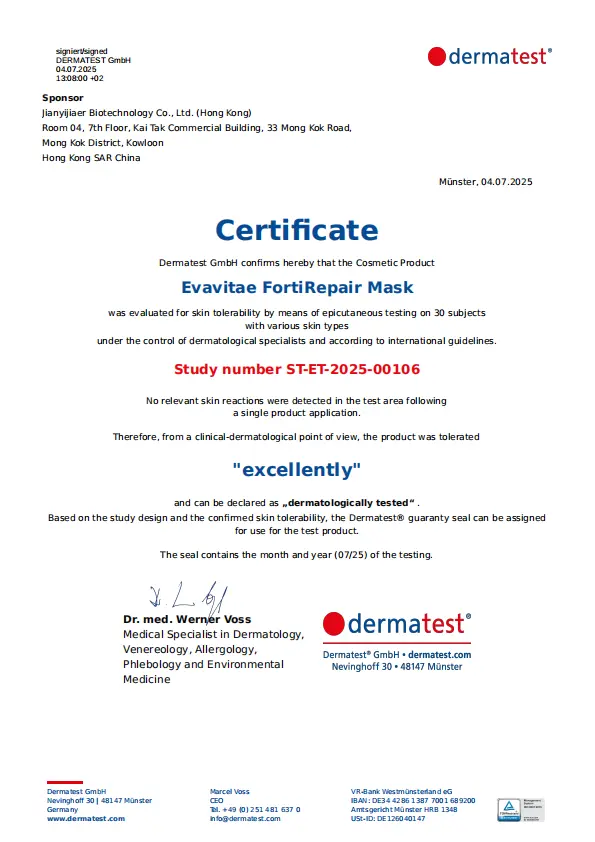
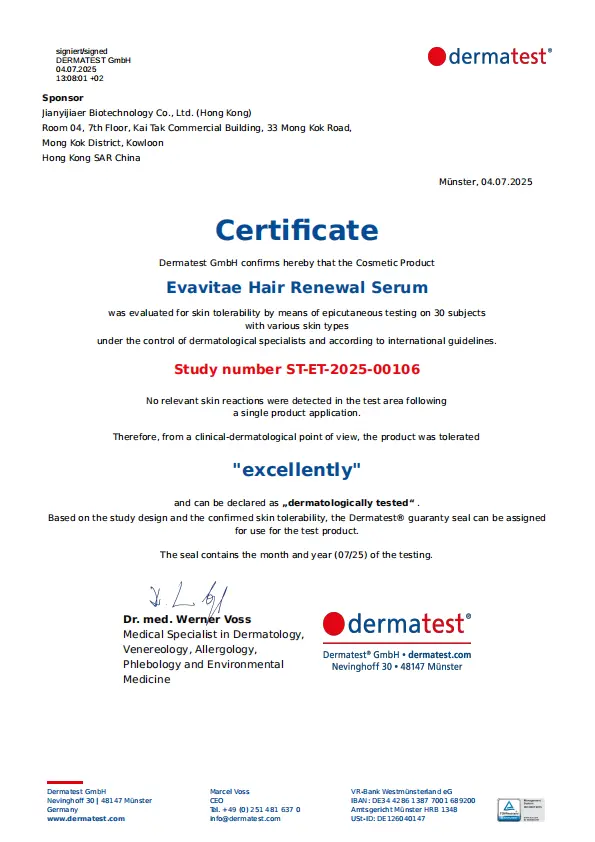
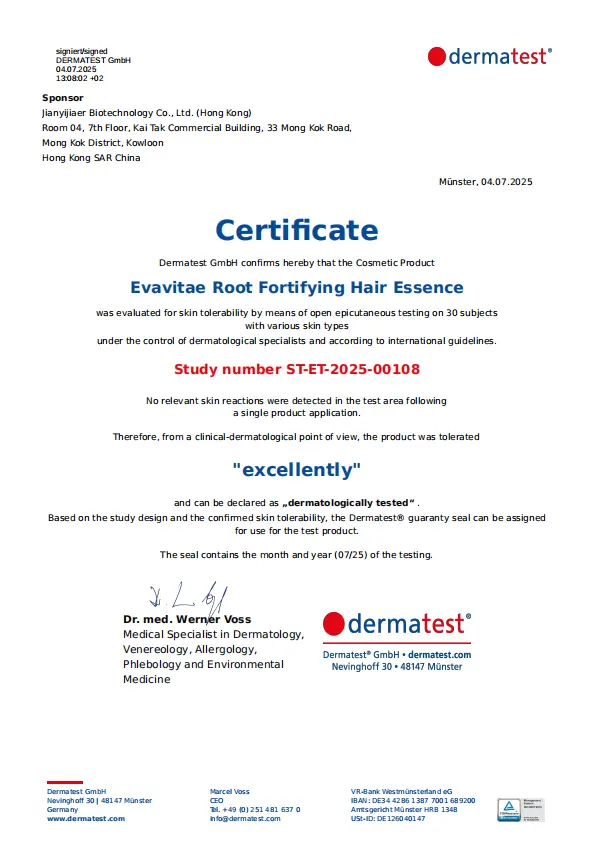
See MoreEvavitae’s formulas are dermatologically tested and certified by
Dermatest Germany.
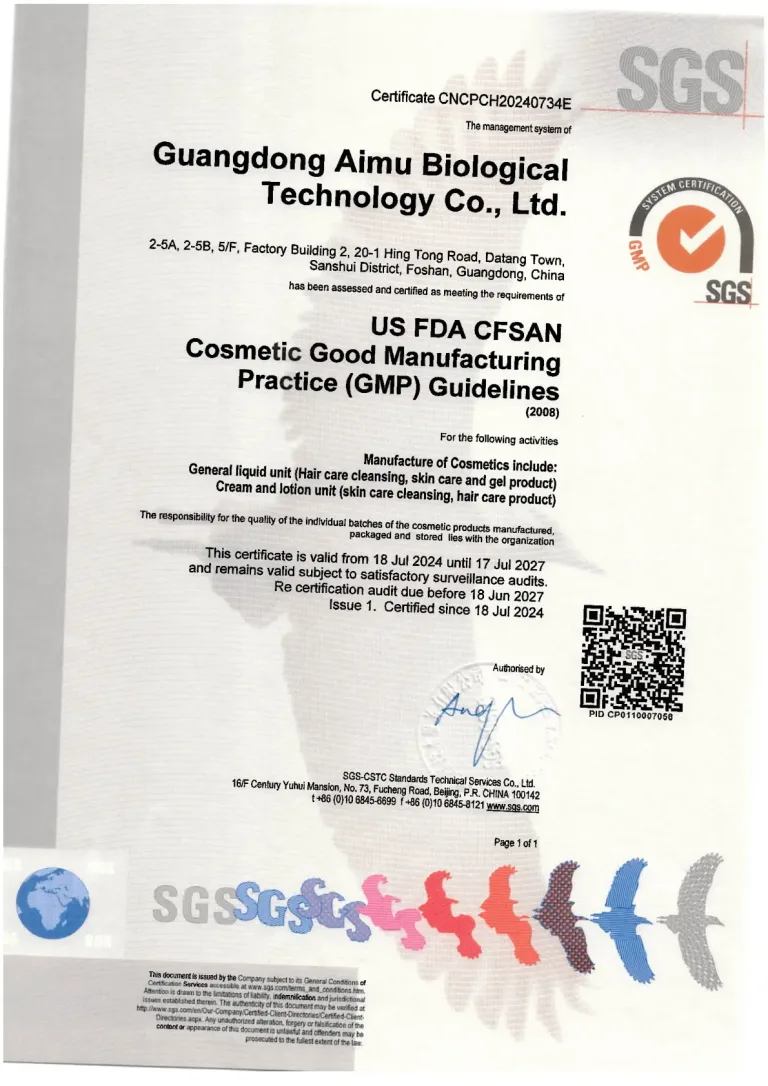
Every batch is produced in facilities compliant with GMP, ISO 22716, and BSCI standards — ensuring purity, safety, and ethical manufacturing.
Our ingredients — from biotin and batana oil to
peptides — are all clinically backed and ethically sourced to support healthy hair growth and nutrient-related recovery.


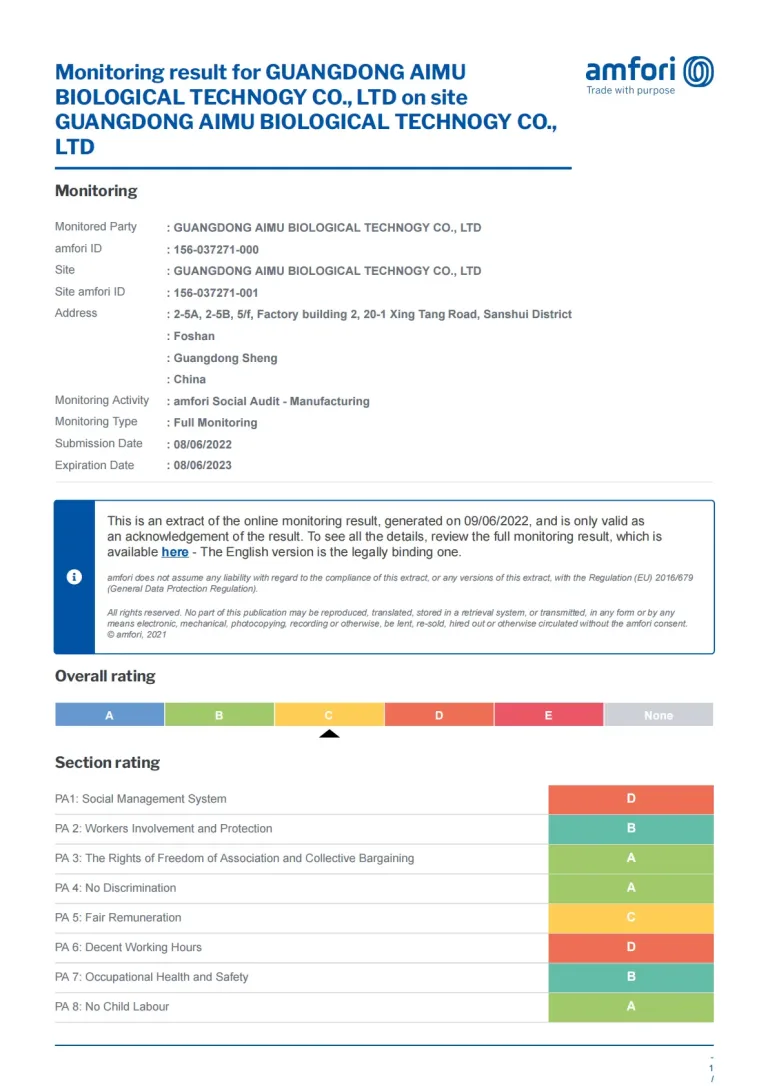
certificate20240812_02-768x1086.webp)


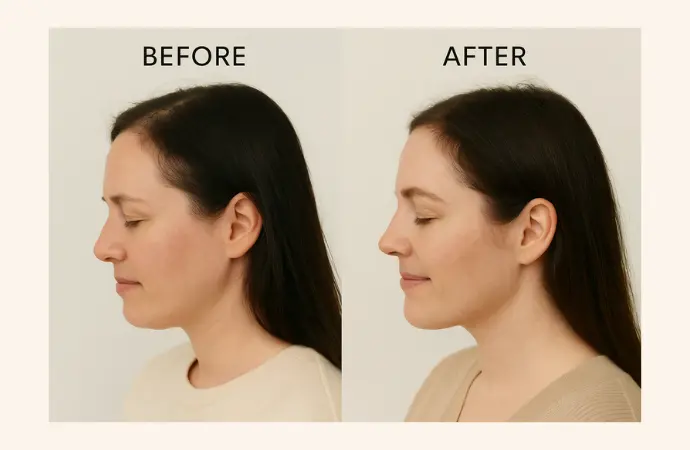
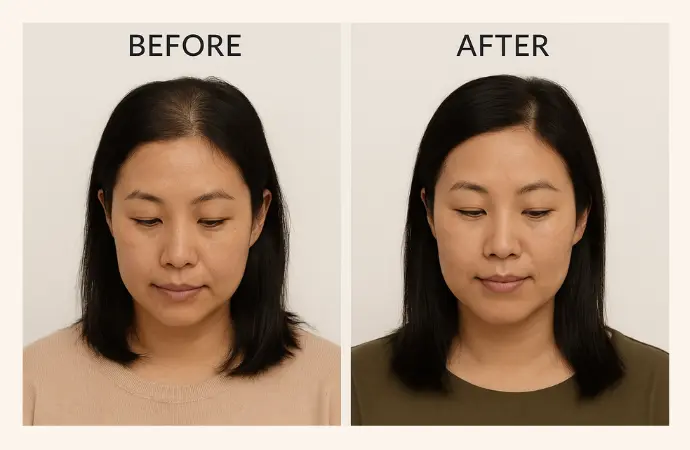
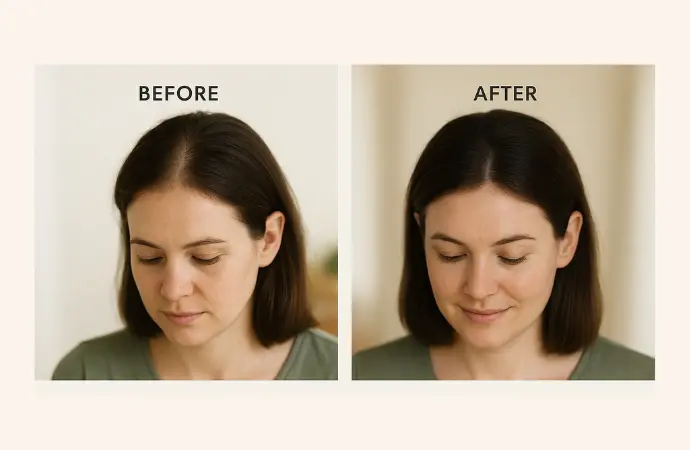
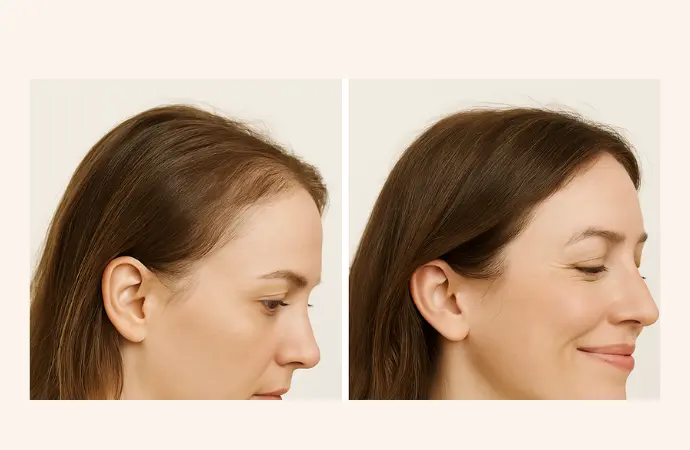
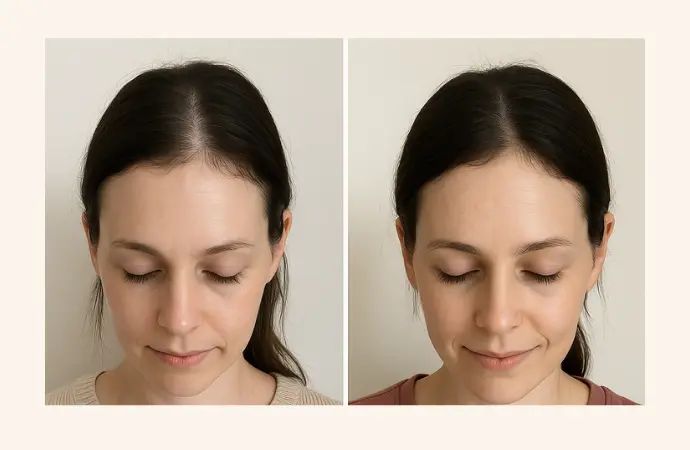
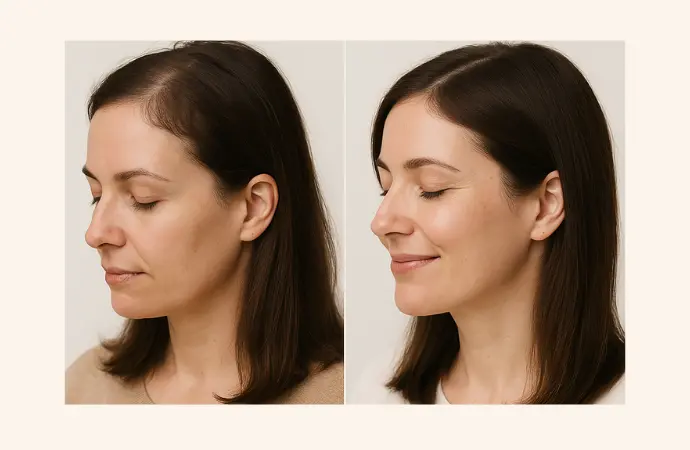
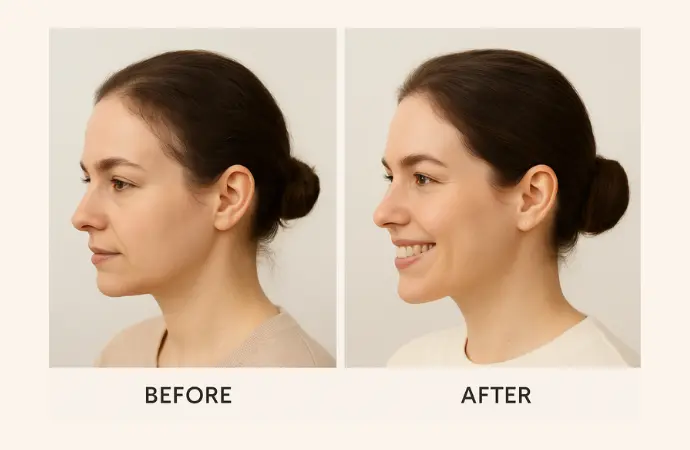
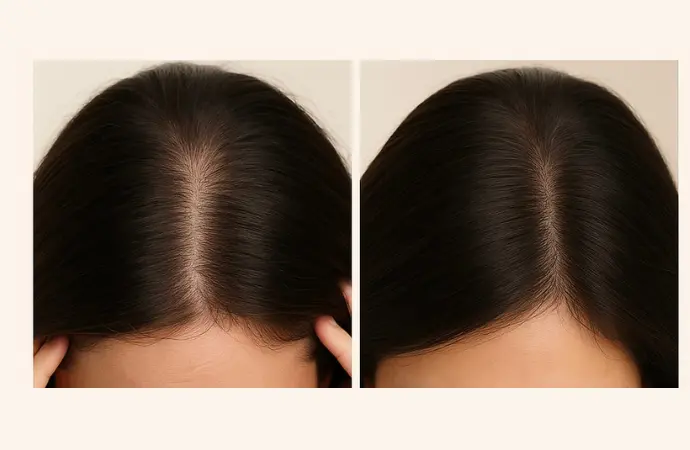
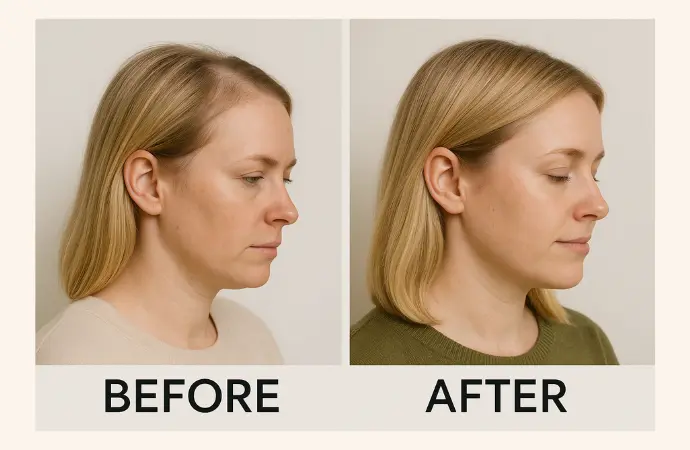
Within 8 weeks of consistent care, women experienced visible improvement in density and volume.
Evavitae supports not only hair growth but also confidence renewal.
Evavitae’s recovery system targets the root causes of nutritional deficiency hair loss through three synergistic actions—replenish, fortify, and renew.
Each step is formulated with clinically supported ingredients gentle enough for sensitive scalps, yet powerful enough to support nutrient-related hair recovery and deliver visible results.
Core ingredients: Niacinamide, Ginseng Extract, Aloe Vera, Amino Acids
Support scalp stability during nutrient-related hair loss by calming irritation, improving microcirculation, and reinforcing the scalp barrier often weakened by nutrient deficiency or metabolic stress. These actives help maintain a balanced environment where follicles can safely resume growth.
💡 Effect: Reduced scalp reactivity, improved nutrient delivery, and a more stable foundation for long-term regrowth.
Core ingredients: Biotin, Panthenol (Pro-Vitamin B5), Tripeptide-1, Hydrolyzed Keratin, Hydrolyzed Barley Protein
Support hair fiber integrity during nutrient-related hair shedding by strengthening the shaft and improving follicle anchoring. Peptides and proteins help reinforce internal structure, while biotin and panthenol provide metabolic and nutrient support without overstimulating sensitive follicles.
💡 Effect: Reduced breakage, improved hair resilience, and a more consistent appearance of density.
Core ingredients: Batana Oil, Argan Oil, Avocado Oil, Coconut Oil, Grape Seed Oil, Vitamin E
A lipid-rich blend of fatty acids and antioxidants that nourishes the scalp and supports barrier recovery during nutrient-related hair shedding. These restorative oils help reduce dryness, improve flexibility, and buffer oxidative stress in a scalp environment often more reactive under nutrient deficiency or metabolic stress.
💡 Effect: Improved softness and manageability, a calmer scalp feel, and a more balanced shedding pattern over time.
Answer a few quick questions to discover your personalized nutritional deficiency hair loss care set. From gentle cleansing to targeted nutrient support, we’ll match your routine to what your hair recovery stage truly needs.
Start with stabilization-first care. Our Recovery Set supports a calmer scalp barrier and reduces reactivity during hormonal fluctuations, helping create a steady foundation where regrowth can safely resume over time.
View Product → Add to Cart →A concentrated peptide and biotin formula that supports hair fiber strength and follicle resilience during hormonally sensitive phases, helping strands look fuller as shedding gradually stabilizes.
Learn More → Add to Cart →A complete support program combining repair, nourishment, and scalp-barrier care — ideal for long-term hormonal hair loss recovery when stability and consistency matter most.
View Product → Add to Cart →Gentle cleansing that supports a calmer scalp during hormonal fluctuations. Helps remove buildup without over-stripping, and protects a stable environment for recovery.
View Product → Add to Cart →Deep repair and nourishment to restore softness and resilience, especially when hair feels dry, fragile, or easily stressed during hormonally sensitive periods.
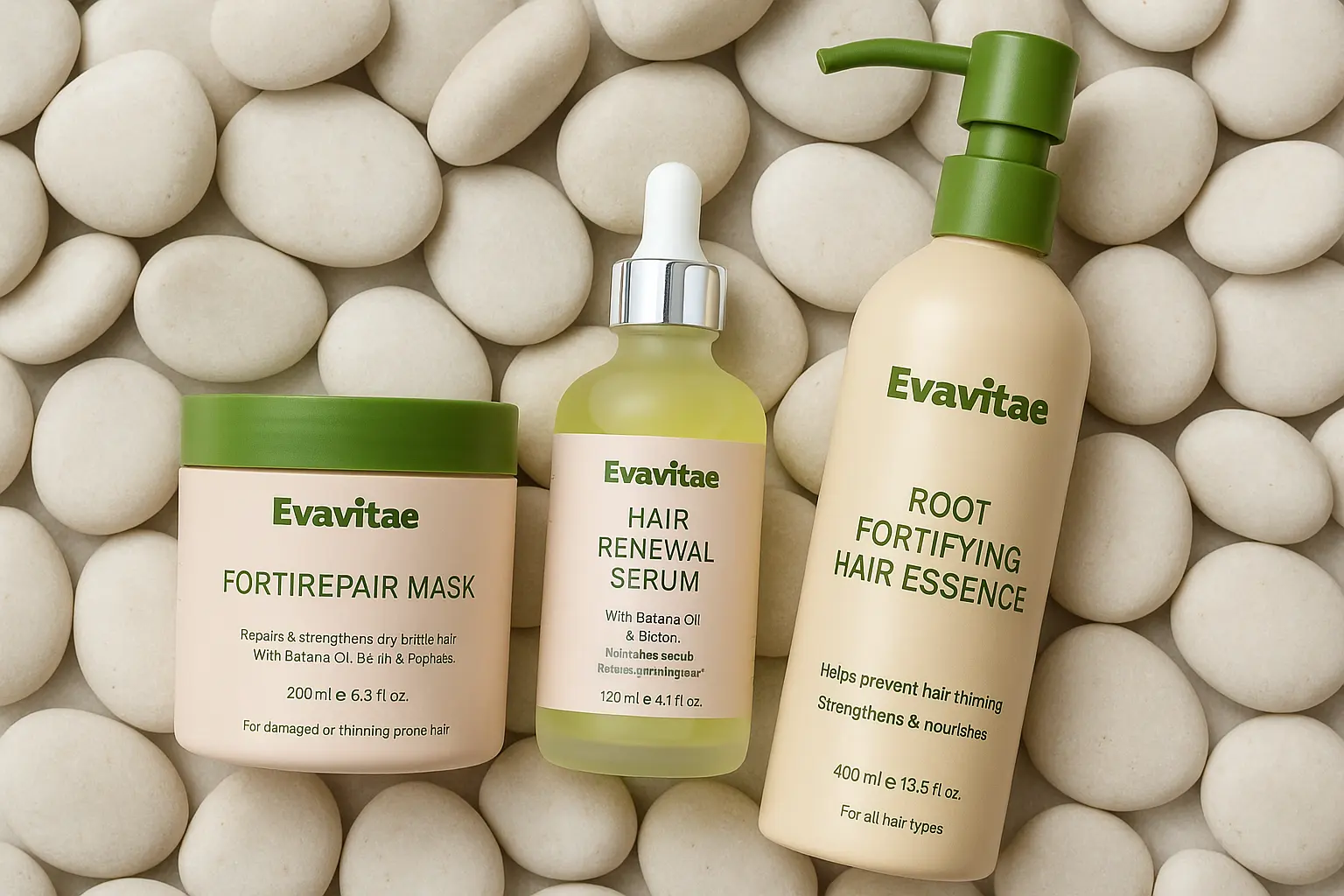
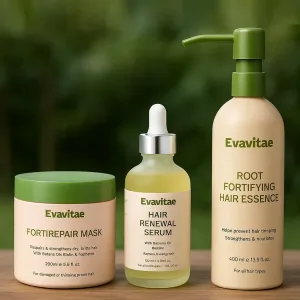
Learn More → Add to Cart →If you’re looking for the best shampoo for nutritional deficiency–related hair loss, the focus should be on supporting the scalp without irritation while replenishing essential nutrients. Evavitae’s system combines gentle cleansing, targeted nourishment, and structural support to help follicles regain balance and resume healthy growth naturally:
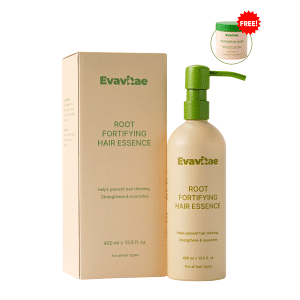
Cleanse with Evavitae Root Fortifying Hair Essence three to four times per week.
Nourish daily with Evavitae Hair Renewal Serum to energize follicles.
Repair weekly with Evavitae FortiRepair Mask for deep hydration and strength.
🔥 8 items sold in last 24 hours
🔥 6 items sold in last 24 hours
🔥 7 items sold in last 24 hours
🔥 5 items sold in last 24 hours
There isn’t one single “hair loss nutrient.”
In many women, shedding or thinning is linked to combined deficiencies or suboptimal intake of key nutrients such as iron, protein, zinc, biotin, vitamin D, B vitamins, or essential fatty acids. Often, it’s the overall supply and utilization of nutrients at the follicle level — not one isolated lab number — that determines how hair behaves.
Yes — but it’s rarely about severe deficiency alone.
Hair follicles are highly sensitive to nutrient availability and metabolic prioritization. When the body experiences prolonged under-supply, poor absorption, or increased demand (such as postpartum recovery, chronic stress, or illness), follicles may shift out of the growth phase earlier. This can lead to increased shedding and delayed regrowth, even if blood tests appear “borderline normal.”
It can, especially when nutritional intake drops faster than the body can adapt.
The most common pattern is delayed shedding caused by a temporary nutrient shortfall, often appearing 2–3 months after restrictive dieting, rapid weight loss, or appetite suppression. A common myth is assuming the hair is “damaged.” For many people, this is a supply-and-recovery issue that improves once nutrition stabilizes and the follicle environment is supported.
Sometimes — but not always on their own.
Supplementation can help when a true deficiency exists, but outcomes depend on absorption, balance, dosage, and consistency. Over-supplementing or stacking products can actually disrupt metabolic balance or irritate the scalp. The myth is expecting faster results by taking more. In most cases, steady nutritional support combined with gentle scalp care produces better long-term recovery than aggressive supplementation alone.
Yes, and this is very common.
Standard lab ranges reflect population averages, not optimal follicle support. Hair growth often slows or sheds when nutrient availability is low relative to demand, even if results fall within the “normal” range. The myth is expecting rapid regrowth once numbers improve. Nutritional deficiency patterns typically respond best to consistent replenishment, metabolic support, and scalp stability over time, rather than short-term fixes.
Every Evavitae product contributes to women’s wellness programs.
Our bottles are 100% recyclable, and our formulas are vegan and cruelty-free.
Because your recovery deserves care that goes beyond beauty.
Join thousands of women restoring confidence with the best shampoo for nutritional deficiency hair loss — clinically tested, gentle, and made for stressful times.