
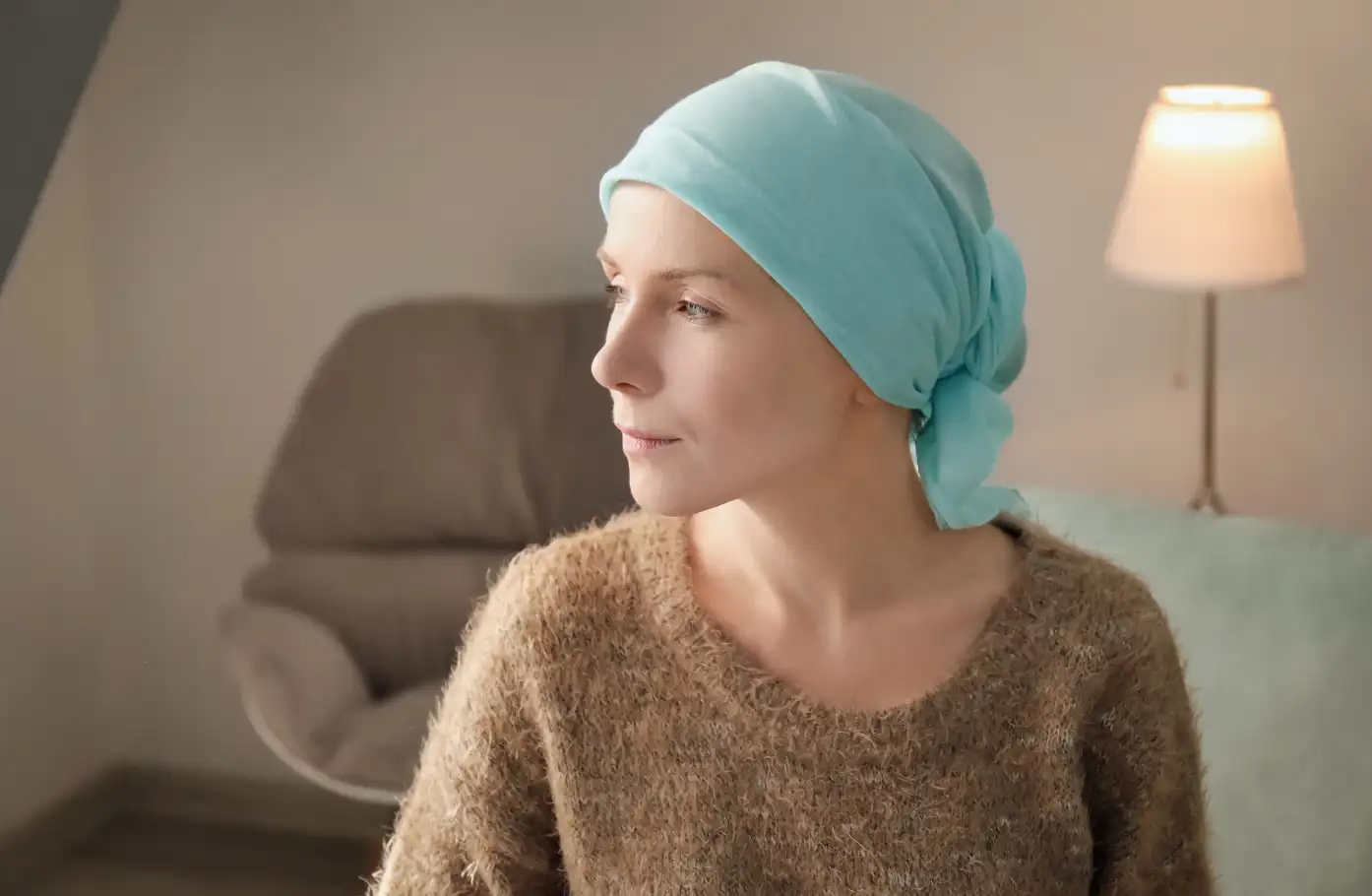
Many new mothers experience noticeable hair shedding 2–6 months after giving birth and often worry:
“Is something wrong with my body? Am I sick? Am I going bald?”
These concerns are very common. But from a medical perspective:
Postpartum hair loss is not a disease.
It is not pathological damage.
It is not permanent hair loss.
Instead, it is a completely normal physiological adjustment.
In medical terms, postpartum hair loss is officially called:
Postpartum Telogen Effluvium (PTE)
and is categorized as:
Non-scarring Alopecia
This means:
- Hair follicles are not destroyed.
- There is no scarring.
- There is no permanent damage.
- The follicles simply enter a temporary “resting phase” and will resume growth later.
This article will help you fully understand:
- Why postpartum hair loss is not a disease
- What “non-scarring alopecia” means
- What happens to hair follicles after giving birth
- When hair will recover
- How to support hair during the recovery period
1. Why postpartum hair loss is not a disease — the body is “resetting normally”
During pregnancy, women experience a significant increase in estrogen and progesterone, which keeps hair follicles in the growth phase longer and reduces shedding. This is why hair often appears thicker and shinier during pregnancy.
After childbirth, these hormones drop sharply within 24–48 hours. This sudden hormonal decline causes:
- Many hair follicles to move from the growth phase → into the resting phase simultaneously
- Concentrated shedding 2–3 months later
This is typical postpartum telogen effluvium (PTE).
It is not a disease, but a physiological reset—your body returning from “pregnancy mode” to “normal mode.”
To understand the underlying biological process, see: 👉 Postpartum Mechanism Hub
2. Postpartum hair loss is “non-scarring alopecia”: follicles remain intact and fully recover
Medically, hair loss is divided into two main types:
- Non-scarring Alopecia
- Hair follicles are intact, with no permanent damage, and recovery is possible.
- Scarring Alopecia
- Hair follicles are destroyed, recovery is impossible, and medical intervention is needed.
Postpartum hair loss falls into the first category—non-scarring alopecia.
This means:
✔ Follicle structure is intact
- Not damaged by hormones or inflammation
✔ Follicle stem cells are healthy
- The “driving force” for hair growth remains strong
✔ Resting phase, not follicle death
- Hair will naturally re-enter the growth phase after telogen
✔ Hair will grow back naturally
- Recovery relies on the body itself, not medication
In other words, postpartum hair loss is a matter of time, not treatment. Hair follicles can self-repair without drugs.
If you’re unsure whether your shedding resembles typical postpartum patterns, check this guide: 👉 Typical Signs of Postpartum Hair Loss
3. Why hair shedding looks “terrifying” — follicles are adjusting together
High estrogen during pregnancy keeps follicles in the growth phase, reducing shedding. After birth, the sudden hormonal drop causes these follicles to enter the resting phase (telogen) together.
As a result:
- Hair is not gone permanently
- It appears as concentrated shedding
- It may look like a lot of hair is falling out
- Average shedding can be 3–4 times higher than during pregnancy
But this does not mean:
- Follicles are damaged
- Hair will never grow back
- You are going bald
It simply means follicles are restoring their normal cycle.
This type of synchronous shedding can look similar to other conditions, so some moms worry about hereditary hair loss. If you want to quickly distinguish PTE from genetic AGA, read: 👉 Postpartum Hair Loss vs Genetic Hair Loss
4. How long does postpartum hair loss last? The normal recovery curve
Research data shows:
- 2–4 months: shedding peak (Delayed Shedding)
- 4–6 months: shedding decreases, new hair starts to grow
- 6–9 months: hair density gradually recovers
- 9–12 months: most women return to pre-pregnancy levels
A small percentage (around 5–7%), especially those with nutritional deficiencies or thyroid issues, may experience shedding up to 12–18 months.
For a full month-by-month timeline, see: 👉 How Long Postpartum Hair Loss Lasts
As long as follicles are intact, recovery is inevitable.
For moms who shed more severely or recover more slowly, the causes are often identifiable. Learn more here: 👉 Why Some Women Experience More Severe Shedding
5. Postpartum hair loss does not need “treatment” but requires “supportive care”
Since it is not a disease, medications like minoxidil or anti-androgens are not necessary.
The key to PTE recovery is:
- Allowing follicles to transition smoothly from telogen to growth phase
- Maintaining a healthy scalp barrier
- Reducing irritation and inflammation
- Providing enough nutrients for follicles to “regain strength”
Clinically validated supportive methods (non-drug, non-irritating) include:
① Gentle cleansing and avoiding harsh ingredients
Sensitive postpartum scalps benefit from:
- Sulfate-free
- Fragrance-free
- Non-clogging formulations
- pH-balanced, mild products
This helps stabilize the scalp barrier and reduce inflammation.
② Supplementing key nutrients to end the resting phase faster
Especially:
- Iron (Ferritin ≥ 40–60 ng/mL) – optimal for follicles
- Vitamin D
- Zinc
- B vitamins
These provide the essential foundation for follicles to enter the growth phase.
③ Ensure sleep and reduce stress
High cortisol prolongs telogen and delays recovery. Stress management can significantly speed up regrowth.
④ Avoid pulling on the scalp (tight ponytails, etc.)
Fragile new hair can easily break.
6. When further examination is needed
If postpartum hair loss lasts beyond 12–18 months, especially with:
- Severe shedding
- Noticeably thinning crown
- Widening part line
- Fatigue, palpitations, cold extremities
Possible underlying issues:
- Iron deficiency
- Thyroid dysfunction
- Nutritional absorption problems
- Overlapping genetic hair loss
Tests to consider:
- Ferritin
- TSH / T3 / T4
- Vitamin D
- CBC
7. Summary: Postpartum hair loss is a natural process, not a disease
Remember the most important point:
- Your hair follicles are not damaged.
- Your hair will grow back.
- Your body is recovering, not malfunctioning.
Postpartum shedding is the natural response as the body transitions from “pregnancy hormone mode” to “normal hormone mode.”
The reason hair appears to fall out dramatically is that the resting phase happens synchronously—not because follicles are damaged.
Follicle stem cells remain healthy, and new hair growth potential is strong. With gentle care, good nutrition, and stable mental health, hair will regain its original growth rhythm.
No matter how severe shedding seems now, it is temporary.
To compare timelines, symptoms, and recovery patterns, visit: 👉 Postpartum Hair Loss Timeline
If you’re unsure whether your shedding pattern is normal, this Postpartum Hair Loss hub can help you compare symptoms and timelines.
If your scalp feels easily irritated postpartum, the Evavitae Root Fortifying Hair Essence offers a mild, soothing alternative.


Add comment
You must be logged in to post a comment.