
Why Postpartum Hair Loss Happens
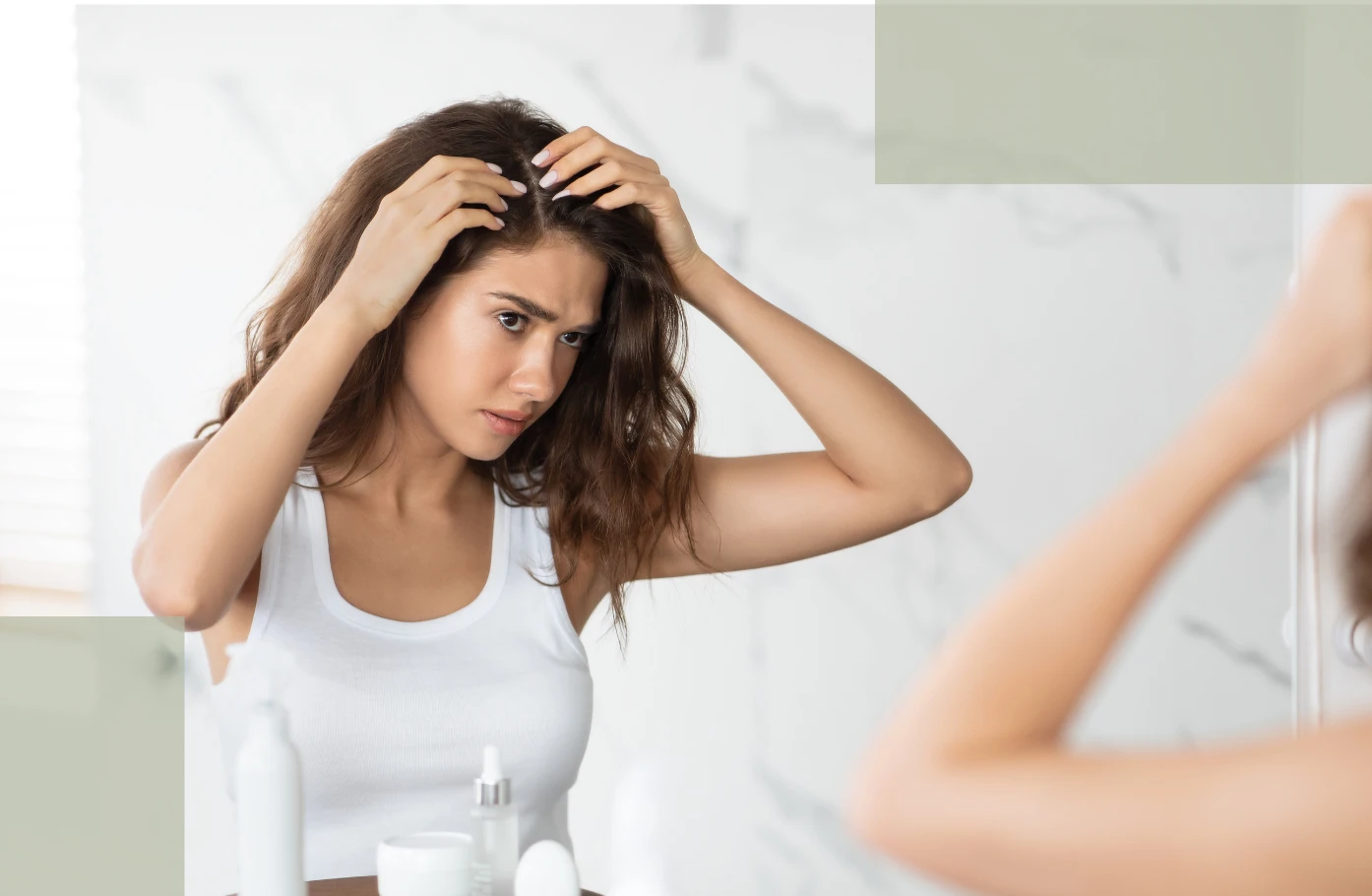
Every new mother experiences dramatic physical shifts after childbirth, and hair shedding can be one of the most emotionally visible. Known medically as postpartum telogen effluvium, this condition occurs when hormonal changes push more hair follicles into the resting phase of the growth cycle.
The Role of Hormones and Telogen Effluvium
During pregnancy, elevated estrogen levels keep hair in its growing (anagen) phase, making it appear thicker and fuller. After delivery, these hormone levels drop rapidly, triggering a synchronized shedding of hair—often noticeable around three months postpartum. According to the American Academy of Dermatology (2024), this shedding typically peaks between three to six months and can last up to a year in some cases.
While this process is temporary, factors such as stress, lack of sleep, and nutritional deficiencies can worsen it. Understanding this natural cycle helps mothers manage expectations and focus on recovery instead of panic.
Medical vs. Natural Treatments: What’s the Difference
There’s no single “cure” for postpartum hair loss because it’s not a disease—it’s a temporary physiological response. However, treatments can support faster recovery and stronger regrowth.
Medical options (like topical minoxidil or prescription supplements) may stimulate follicles but are not always suitable for breastfeeding women. Dermatologists often advise caution and emphasize supportive care instead.
Natural approaches, on the other hand, focus on restoring balance: improving scalp circulation, optimizing nutrition, and avoiding harsh chemicals. Gentle scalp massage, nutrient-rich diets, and mild shampoos can significantly improve overall scalp health without risk to mother or baby.
In other words, effective postpartum hair loss treatment is not about quick fixes—it’s about nurturing your body through recovery.
Natural Repair Through Scalp and Nutrition
Healthy hair starts with a balanced scalp and strong internal nutrition. Gentle scalp stimulation—through massage or mild exfoliation—can help improve blood flow and nutrient delivery to hair follicles.
Dietary support is equally vital. Deficiencies in iron, vitamin D, zinc, or biotin can slow regrowth, according to Cleveland Clinic (2023). Incorporating foods like eggs, salmon, leafy greens, and nuts provides essential micronutrients that promote follicle health.
For those seeking plant-based solutions, natural oils and botanical extracts can provide additional nourishment. You can read more about these in our detailed guide on natural remedies for postpartum hair loss.
Gentle Products for Sensitive Scalps
Postpartum scalps can be sensitive due to hormonal fluctuations and stress. Choosing the right hair care products during this phase is critical. Dermatologists recommend avoiding sulfates, silicones, artificial fragrances, and parabens—common irritants that may compromise the scalp barrier.
Instead, opt for dermatologically tested and fragrance-free formulas that focus on hydration and gentle cleansing. Products like the Evavitae Root Fortifying Hair Essence are specifically formulated for sensitive scalps, combining plant oils and biotin to strengthen roots without harsh chemicals.
To better understand how ingredient choice impacts recovery, explore our breakdown of the best shampoo ingredients for postpartum hair loss.
When to Seek Professional Advice
Although postpartum hair shedding is typically temporary, certain symptoms may require a dermatologist’s evaluation. You should seek medical advice if:
- Hair loss continues beyond 12 months postpartum
- Patches of baldness appear (possible alopecia areata)
- The scalp feels inflamed, itchy, or painful
- Shedding accompanies other symptoms like fatigue or irregular periods
In such cases, doctors may check for underlying conditions like thyroid imbalance, anemia, or postpartum depression—all of which can contribute to prolonged shedding (Mayo Clinic, 2024).
A professional assessment ensures that treatment aligns with your overall health and recovery stage.
Recovery Outlook: What to Expect in 6–12 Months
Recovering from postpartum hair loss is rarely a linear process — it’s more like a quiet, gradual transformation. Each stage reflects your body’s internal rebalancing as hormones, nutrients, and the hair cycle return to harmony. Understanding these phases can help you stay consistent and positive through the process.
Month 1–3: The Shedding Phase
This is when shedding typically peaks. You may notice more hair on your pillow or in the shower, especially around your temples and hairline. It can feel alarming, but this phase simply reflects follicles shifting from the growth phase (anagen) to the resting phase (telogen). Most mothers lose up to 400 hairs per day at this point — about three times the normal rate.
Tip: Use a soft brush, avoid tight hairstyles, and switch to a mild shampoo such as the Root Fortifying Hair Essence. Gentle cleansing prevents unnecessary breakage and irritation during this sensitive time.
Month 4–6: Early Regrowth and Rebalance
By month four, hormone levels begin to stabilize, and shedding slowly decreases. You might notice new “baby hairs” sprouting near your forehead or crown — these are early signs of recovery. At this stage, the scalp needs nourishment more than stimulation. Lightweight, nutrient-rich treatments like the Hair Renewal Serum can help strengthen these fragile new strands from root to tip.
It’s also a good time to reassess your diet — ensure you’re getting enough protein, iron, and vitamin D. Postpartum fatigue and nutrient depletion can delay regrowth if left unaddressed.
Month 7–12: Density Returns and Strength Rebuilds
As the new growth matures, your overall hair volume begins to return. You’ll notice the scalp feeling healthier and strands appearing fuller, though texture may differ slightly from pre-pregnancy hair (often softer or wavier). To maintain progress, introduce a weekly deep treatment like the FortiRepair Mask, which replenishes moisture and reinforces the cuticle barrier.
For many mothers, this period marks the emotional turning point — confidence gradually returns as hair begins to frame the face again. Remember: the body that grew new life is now restoring itself, strand by strand.
By the end of the first postpartum year, most women regain 80–90% of their original hair density, provided they maintain consistent care and balanced nutrition. A complete, supportive routine such as the Complete Hair Revival Set helps maintain this momentum, ensuring each stage transitions smoothly into the next.
Incorporating small daily routines—like gentle scalp massage and balanced nutrition—can significantly enhance the results. Learn more about supportive daily care in our guide to postpartum hair loss prevention.
If shedding feels overwhelming, remember that this phase is not permanent. In fact, many women notice stronger, healthier hair once the cycle stabilizes. As one dermatologist summarized: “Postpartum hair loss isn’t a setback—it’s the body’s way of resetting.”
Your Takeaway
Effective postpartum hair loss treatment lies in understanding your body’s natural recovery rhythm. Combining gentle topical care, nourishing nutrition, and emotional patience is the most sustainable approach.
And if you ever feel uncertain, you can revisit the basics in our Hair Loss 101 category for educational guides, recovery routines, and expert insights.
Learn more about safe and effective ways to manage shedding in our Postpartum Hair Loss Treatment Guide.
References (APA Style)
- American Academy of Dermatology. (2024). Postpartum hair loss: What to expect and how to manage it. Retrieved from https://www.aad.org
- Cleveland Clinic. (2023). Postpartum hair loss: Causes and recovery timeline. Retrieved from https://my.clevelandclinic.org
- Mayo Clinic. (2024). Hair loss (alopecia): Diagnosis and treatment. Retrieved from https://www.mayoclinic.org
Evavitae products are now available exclusively at www.evavitae.com.


Add comment
You must be logged in to post a comment.