
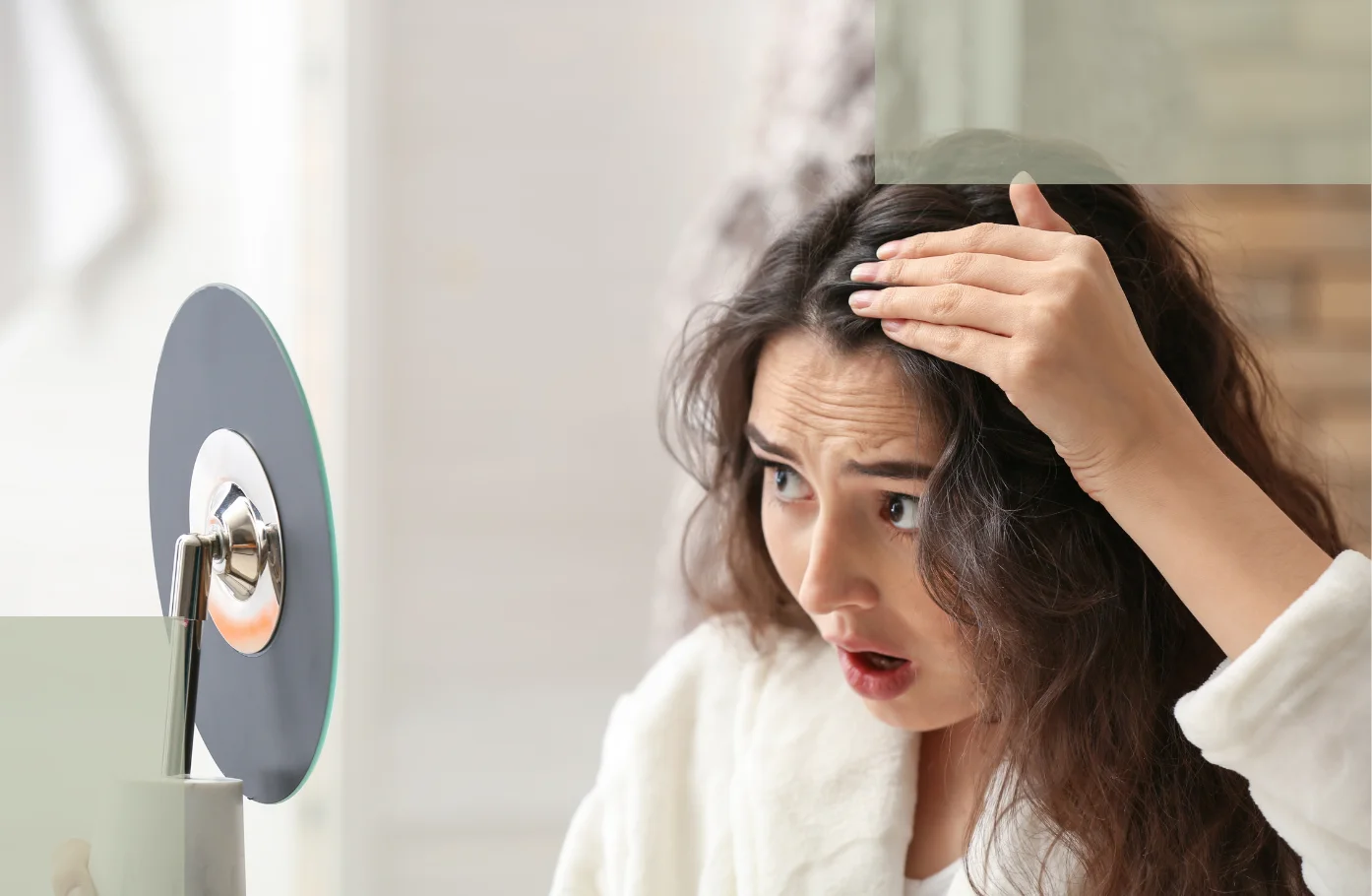
Postpartum hair shedding can feel discouraging—but the truth is, small consistent choices often make the biggest difference.
Your scalp is an extension of your skin, and by adjusting daily habits, diet, and care, you can support its recovery naturally—without harsh treatments or false promises.
These simple, evidence-backed changes can help reduce shedding, strengthen new growth, and rebuild your confidence.
Small Lifestyle Shifts That Protect Follicles
Hair recovery starts with the way you treat your scalp and body. Even subtle lifestyle adjustments can protect fragile follicles from excess stress.
1. Rethink how you wash your hair.
Use mild, sulfate-free shampoos and avoid overwashing. Stripping the scalp’s natural oils can trigger dryness and micro-irritation, leading to increased shedding. According to Women’s Health Magazine (2024), reducing mechanical stress from heat styling and harsh cleansing preserves follicle integrity during postpartum hormone fluctuations.
2. Keep hairstyles loose.
Tight ponytails or buns can cause traction alopecia—hair loss from constant tension. Choose soft fabric scrunchies, braid loosely, or let your hair rest down a few days per week.
3. Massage your scalp regularly.
Gentle fingertip massage increases blood flow, delivering oxygen and nutrients to follicles. Spend 2–3 minutes daily or add a few drops of rosemary or jojoba oil twice weekly.
4. Simplify your routine.
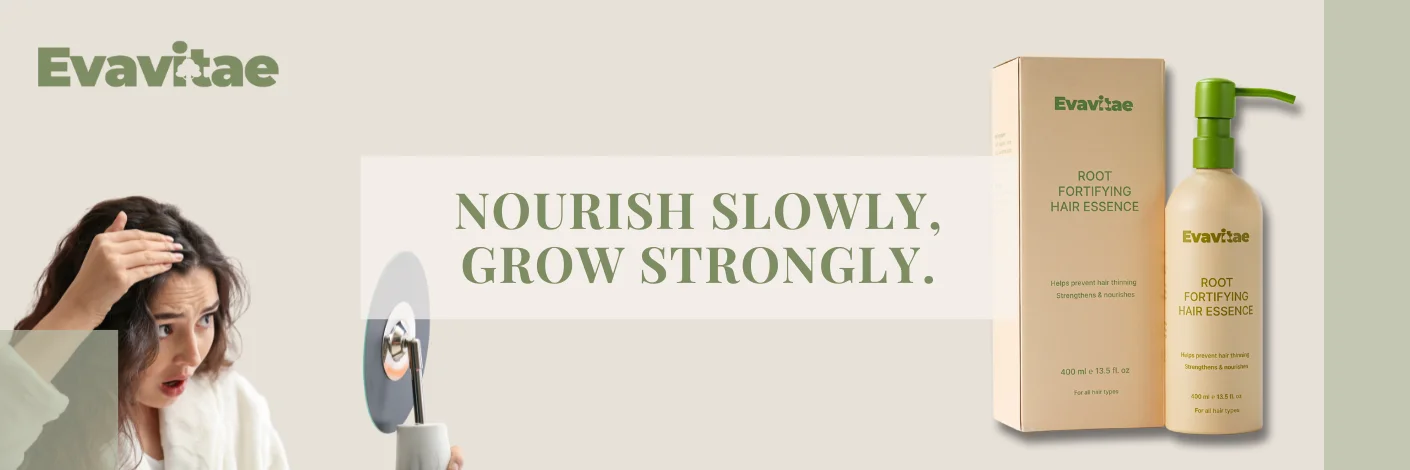
Avoid layering too many products. Stick with a mild cleanser and one fortifying essence like the Evavitae Root Fortifying Hair Essence, which uses biotin, peptides, and natural oils to support regrowth without irritation.
5. Prioritize hydration and rest.
Sleep and hydration influence hormone balance, which directly affects the hair growth cycle. Drink plenty of water and try to align rest with your baby’s sleep schedule to support healing and lower cortisol levels.
For an even earlier prevention plan, visit Daily Habits to Prevent Postpartum Hair Loss Before It Starts.
Foods That Support Scalp Health
Hair follicles depend on micronutrients just as much as your skin or nails do. Consuming nutrient-dense foods replenishes what pregnancy and breastfeeding may deplete.
1. Iron and Protein
Iron supports oxygen delivery to follicles, while protein provides the amino acids needed for keratin—the main component of hair. Include eggs, tofu, lentils, and spinach in your diet.
A Harvard Health Publishing (2023) review shows that balanced iron intake can significantly shorten the duration of postpartum telogen effluvium.
2. Omega-3 Fatty Acids
These healthy fats reduce inflammation around follicles and improve scalp hydration. Sources include salmon, walnuts, and flaxseed oil.
3. Zinc and Vitamin D
Zinc aids tissue repair and regulates sebum, while vitamin D helps reactivate dormant follicles. Spend brief periods outdoors daily for natural vitamin D and include whole grains or fortified cereals for zinc.
4. Antioxidant-Rich Foods
Berries, leafy greens, and avocados combat oxidative stress, which can damage follicle cells.
For targeted supplementation, see Best Postpartum Vitamins to Reduce Hair Shedding.
Why Consistency Beats Quick Fixes
The biggest secret to reducing postpartum hair loss is patience—not perfection.
Hair regrowth follows slow biological cycles. Quick-fix products promising “instant growth” often overlook the natural rhythm of postpartum recovery.
Cleveland Clinic (2024) notes that most mothers see peak shedding around months 3–4 postpartum, followed by visible regrowth between months 6–12—especially when gentle routines are maintained consistently.
Here’s how to build momentum through consistency:
- Stay with one system for at least 8–12 weeks before switching products.
- Record progress monthly with photos to see subtle changes.
- Trust gradual growth. Fine “baby hairs” at the temples often signal the start of regrowth.
Pairing internal nutrition with external gentleness produces sustainable results. For long-term recovery routines, read Gentle Ways to Help Your Hair Recover After Childbirth.
Your Regrowth Routine in Three Steps
Step | Focus | Example |
1. Cleanse Gently | Use sulfate-free, fragrance-free shampoo | 2–3 times per week |
2. Nourish & Massage | Apply natural oil or lightweight serum | Rosemary or peptide essence |
3. Support from Within | Eat iron-, zinc-, and protein-rich meals | Add vitamin D & hydration |
Consistency builds resilience—the true foundation of healthy postpartum hair.
Your Takeaway
Reducing postpartum hair loss isn’t about fighting your body—it’s about supporting it through gentle, steady care.
A calm scalp, a nourished body, and a simple, consistent routine will always outperform quick-fix promises.
See how gentle changes shape real recovery → explore more insights in our Scalp Care Routine category.
Visit our Postpartum Hair Regrowth Center to explore safe, gentle ways to support new hair growth.
References (APA Style)
- Women’s Health Magazine. (2024). Postpartum hair and mechanical stress: Protective styling and scalp balance. Retrieved from https://www.womenshealthmag.com
- Harvard Health Publishing. (2023). Nutrition and hair health after childbirth. Retrieved from https://www.health.harvard.edu
- Cleveland Clinic. (2024). Hair shedding timeline and postpartum regrowth expectations. Retrieved from https://my.clevelandclinic.org
Evavitae products are now available exclusively at www.evavitae.com.


Add comment
You must be logged in to post a comment.