
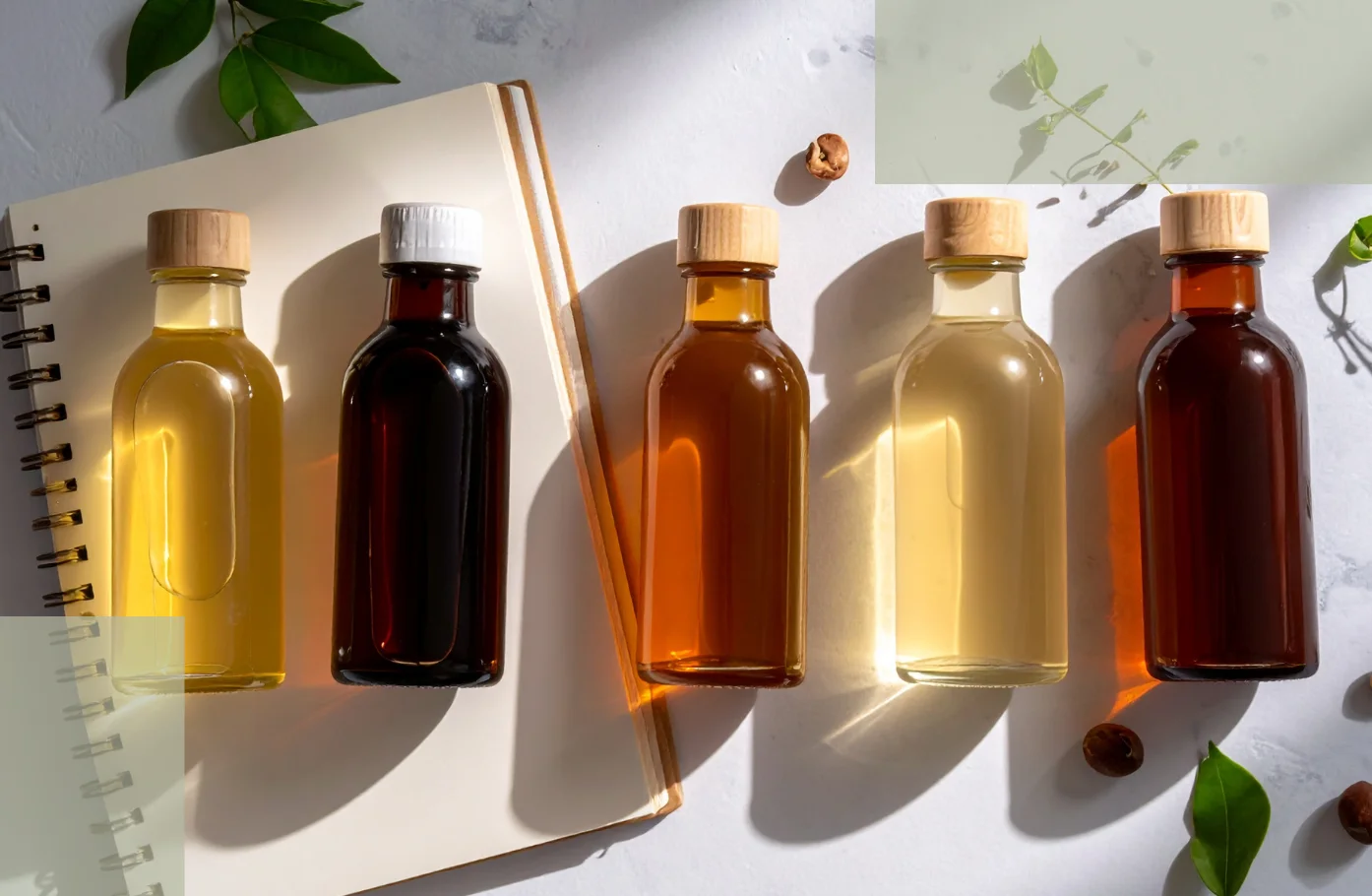
After childbirth, many mothers look for gentle, natural ways to encourage healthy regrowth without harsh chemicals. Essential oils and botanical extracts have been studied for their ability to soothe, protect, and stimulate the scalp. When used correctly, these ingredients complement hormonal recovery and help restore vitality to postpartum hair.
Why Oils Matter in Scalp Regeneration
Essential oils are far more than pleasant fragrances—they are concentrated plant compounds that can influence scalp health at the cellular level.
According to NIH PubChem (2024), certain oils demonstrate anti-inflammatory, antioxidant, and micro-circulatory benefits that directly affect follicle metabolism. After childbirth, when the scalp is sensitive and prone to dryness, these properties help maintain the skin barrier and encourage follicle renewal.
Natural oils replenish lost lipids, reduce irritation caused by hormonal shifts, and improve nutrient absorption. When combined with gentle massage, they enhance blood flow and oxygen delivery—key to restarting the growth (anagen) phase.
Top 10 Oils and Extracts Backed by Research
1. Rosemary Oil
One of the most clinically studied essential oils for hair regrowth. Healthline (2024) reports that rosemary oil performed comparably to 2 % minoxidil in stimulating growth after six months of regular use. It improves scalp circulation and may reduce follicle inflammation.
2. Batana Oil
Derived from the American palm (Elaeis oleifera), batana oil is rich in oleic acid and vitamin E. It deeply nourishes dry scalps, seals moisture, and protects follicles from oxidative stress. Ideal for postpartum sensitivity.
3. Peppermint Oil
Its menthol content increases blood circulation and provides a cooling, anti-itch effect. Mount Sinai Health System (2024) notes that peppermint oil promotes thicker hair shafts and reduces microbial imbalance on the scalp.
4. Pumpkin Seed Oil
Packed with zinc and phytosterols that inhibit DHT (dihydrotestosterone), a hormone linked to hair thinning. Regular topical use supports hormonal balance and stronger follicles.
5. Argan Oil
Known as “liquid gold,” argan oil is high in linoleic acid and antioxidants. It repairs damaged hair cuticles and enhances elasticity, reducing postpartum breakage.
6. Coconut Oil
Penetrates the hair shaft better than most oils due to its low molecular weight. It prevents protein loss and reduces breakage—especially beneficial for women washing hair frequently due to postpartum sweating.
7. Avocado Oil
Contains vitamins A, D, and E plus monounsaturated fats that restore softness and scalp moisture. Its mild texture makes it safe for frequent use.
8. Jojoba Oil
Chemically similar to human sebum, jojoba oil balances scalp oil production and alleviates dryness or flakiness—common issues during hormonal recovery.
9. Castor Oil
Rich in ricinoleic acid, castor oil provides antibacterial protection and enhances shine. It’s thick, so dilute it with lighter oils before applying to avoid clogging follicles.
10. Green Tea Extract
Not an oil, but a powerful antioxidant source. Polyphenols such as EGCG help reduce inflammation and protect follicle cells from oxidative stress, creating an optimal environment for regrowth.
For detailed discussion on these plant-based actives, visit Natural Remedies for Postpartum Hair Loss: What Really Works.
Spotlight: Rosemary Oil & Batana Oil
Rosemary Oil
Multiple studies demonstrate rosemary’s ability to boost micro-circulation and inhibit DHT. It’s gentle enough for regular use when properly diluted. Massage 2–3 drops in a tablespoon of carrier oil (like jojoba) and leave on for 30 minutes before washing.
Batana Oil
Less famous but equally effective, batana oil helps repair scalp barrier function and restore shine to brittle strands. Its vitamin E and tocopherol content support antioxidant defense—vital for postpartum recovery.
Both oils pair beautifully with peptide-based products like the Evavitae Root Fortifying Hair Essence, which combines natural oils with biotin and amino acids for long-term strengthening.
How to Blend Oils Safely Postpartum
Essential oils are concentrated, so proper dilution and patch testing are crucial—especially during breastfeeding.
Dermatologists recommend:
- Mix 2–3 drops of essential oil in 1 tablespoon of carrier oil (coconut, jojoba, or avocado).
- Apply to the scalp for 15–30 minutes before shampooing.
- Avoid direct contact with baby’s skin and eyes.
- Use 1–2 times per week for best results.
Natural doesn’t mean risk-free—some oils (like tea tree or clove) can be irritating. Always perform a patch test behind the ear before wider application.
If you prefer a simplified routine, start with a pre-formulated blend or serum that lists full ingredient transparency. Many mothers find that gentle, research-based care offers both safety and results.
For additional evidence-based guidance, explore The Science Behind Postpartum Hair Loss: Hormones, Stress, and More.
Pairing Botanicals with Nutrition and Care
Topical oils work best when paired with internal nutritional support. Vitamins like biotin, iron, and zinc strengthen hair from within, while botanical care protects it from the outside.
To understand how to combine diet and natural remedies effectively, see Best Postpartum Vitamins to Reduce Hair Shedding.
Consistency is key—small, sustained habits outperform quick fixes every time.
Your Takeaway
Essential oils and botanical extracts can be powerful partners in postpartum hair recovery—when used safely and consistently.
They nourish the scalp, enhance blood flow, and protect against oxidative stress without disrupting your body’s natural rhythm.
See how natural care supports real results → explore the latest research and routines in our Ingredients Science category.
For science-backed solutions to postpartum shedding, check out our Postpartum Hair Loss Treatment Page.
References (APA Style)
- NIH PubChem. (2024). Plant-derived compounds and hair follicle biochemistry. Retrieved from https://pubchem.ncbi.nlm.nih.gov
- Healthline. (2024). Essential oils for hair growth: What the science says. Retrieved from https://www.healthline.com
- Mount Sinai Health System. (2024). Peppermint oil and scalp stimulation: Clinical overview. Retrieved from https://www.mountsinai.org
Evavitae products are now available exclusively at www.evavitae.com.

Add comment
You must be logged in to post a comment.