
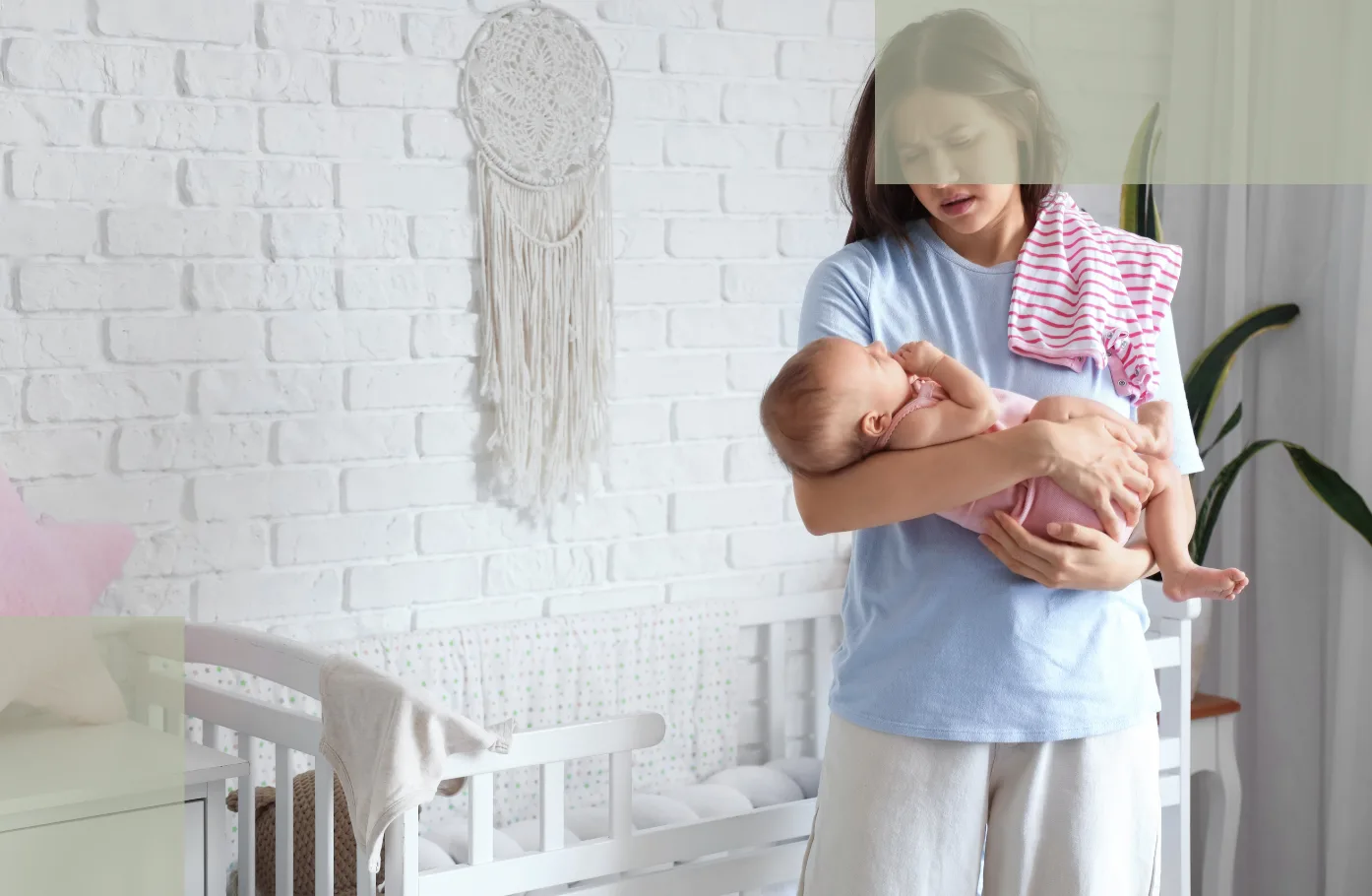
Every mother’s body undergoes profound changes after childbirth. Among them, hair shedding can feel like one of the most visible reminders of recovery. But postpartum hair loss isn’t random—it’s the result of biological shifts that happen deep within your hormonal and cellular systems.
Let’s break down what science says about the causes of postpartum hair loss—and how gentle, consistent care can help your scalp restore balance naturally.
Estrogen Drop and Hair Cycle Disruption
During pregnancy, elevated levels of estrogen extend your hair’s anagen (growth) phase. This is why many women enjoy fuller, shinier hair during pregnancy. However, once you deliver your baby, estrogen and progesterone levels drop sharply.
This hormonal plunge signals hair follicles to enter the telogen (resting) phase, leading to increased shedding—a temporary condition known as postpartum telogen effluvium.
According to Johns Hopkins Medicine (2024), up to 90% of mothers experience this natural shedding process, which typically peaks three to five months after childbirth and stabilizes within a year.
It’s important to remember: your body is not “breaking down”—it’s resetting. The drop in estrogen allows the normal growth-shedding cycle to resume, even though it feels like sudden loss.
Nutritional Depletion and Iron Deficiency
Pregnancy and breastfeeding place enormous nutritional demands on the body. When essential nutrients like iron, zinc, and vitamin D are depleted, follicles become weaker and more prone to early shedding.
Iron is particularly crucial because it carries oxygen to follicles through hemoglobin. Low ferritin (iron storage) levels have been linked to increased hair shedding, especially in postpartum women.
A Cleveland Clinic Journal of Medicine (2023) review found that postpartum iron deficiency affects nearly 40% of new mothers and directly correlates with slower regrowth rates. Supplementation—under medical supervision—can help replenish these stores and accelerate follicle recovery.
In addition to iron, vitamin B-complex and amino acids play key roles in keratin synthesis, strengthening the structure of new hair strands. Balanced nutrition fuels regrowth as effectively as any topical care.
For a complementary deep dive into vitamins that promote recovery, explore Best Postpartum Vitamins to Reduce Hair Shedding.
Stress and Cortisol
New motherhood often comes with emotional stress, sleep deprivation, and anxiety—all of which elevate cortisol, the body’s primary stress hormone. High cortisol levels can shorten the hair growth cycle, pushing more follicles into the resting phase prematurely.
According to Women’s Health Magazine (2024), chronic stress not only slows regrowth but also increases scalp inflammation, creating an environment where hair follicles struggle to thrive.
Managing stress doesn’t mean eliminating it entirely—it’s about small, mindful adjustments:
- Short daily walks or light stretching
- Deep-breathing techniques
- Adequate hydration and protein intake
The mind-body connection is real: calming your nervous system helps restore hormonal balance, allowing your follicles to recover faster.
If stress feels unmanageable, speaking with a postpartum therapist or healthcare provider can be just as beneficial for your hair as it is for your overall wellbeing.
Supporting Regrowth with Peptides and Oils
While hormones and nutrition reset internally, your scalp also needs external support to rebuild strength. Dermatologists increasingly recommend gentle, peptide-rich and oil-infused formulations to restore moisture and follicle integrity.
Peptides—short chains of amino acids—signal hair follicles to repair and stimulate keratin production. When combined with nourishing oils such as argan, avocado, or batana oil, they enhance hydration and resilience.
The Evavitae Root Fortifying Hair Essence is one example of a formulation built around this science: lightweight, fragrance-free, and clinically tested for sensitive postpartum scalps.
To learn how to identify safe and effective formulations, visit Choosing the Best Shampoo for Postpartum Hair Loss: Ingredients That Matter.
This gentle, science-based approach supports the scalp’s natural healing ability instead of overwhelming it with harsh chemicals.
Holistic Recovery: Inside and Out
Postpartum hair loss reflects the interplay between hormones, nutrients, and stress—all acting on the scalp’s delicate ecosystem. Healing it requires addressing all three levels:
- Internal: balanced diet, hydration, and rest
- External: gentle, nourishing scalp care
- Emotional: patience and self-compassion
You can find additional science-backed education and recovery tips in our Ingredients Science category, where we combine clinical insights with safe, natural care.
Your hair’s regrowth mirrors your body’s healing—slow, steady, and deeply resilient.
Explore gentle recovery steps and dermatologist insights in the Complete Postpartum Hair Regrowth Hub.
References (APA Style)
- Johns Hopkins Medicine. (2024). Hormonal changes and hair growth cycle after pregnancy. Retrieved from https://www.hopkinsmedicine.org
- Cleveland Clinic Journal of Medicine. (2023). Postpartum iron deficiency and hair loss correlation. Retrieved from https://www.ccjm.org
- Women’s Health Magazine. (2024). Stress and cortisol: The hidden impact on postpartum hair health. Retrieved from https://www.womenshealthmag.com
Evavitae products are now available exclusively at www.evavitae.com.


Add comment
You must be logged in to post a comment.